




Web seminar trains more than 150 in terrorism prevention
WASHINGTON, D.C. — On Sept. 11, First Observer master trainers Jeff Beatty and David Mitchell presented a live Web seminar titled, “Never Forget, Nev...

WASHINGTON, D.C. — On Sept. 11, First Observer master trainers Jeff Beatty and David Mitchell presented a live Web seminar titled, “Never Forget, Never Again,” which focused on preventing acts of terrorism by training a network of “first observers” to watch for suspicious activity.
The national First Observer Outreach and Training Program recruits and trains volunteers who work in surface transportation to act as first observers in recognizing and reporting suspicious activities. The program is sponsored by the U.S. Department of Homeland Security, funded by the Federal Emergency Management Agency and administered by the Transportation Security Administration.
Fifty live training sessions were also held simultaneously that day, which President Obama had designated as a National Day of Service. Attendees to the sessions and Web seminar received certificates designating them as “first observers.”
Beatty and Mitchell urged the more than 150 online viewers to observe, assess and report suspicious activity to the national Information Sharing and Analysis Center (ISAC), which can be reached at 1-888-217-5902 and is staffed 24/7, 365 days a year by both English and Spanish language operators.
“Your call goes to ISAC and creates usable intelligence, which then goes to first responders,” Mitchell explained.
Viewers learned about the five observation phases when it’s important to watch for suspicious activity, which include pre-trip, during loading and departure at the origin point, en route, during unloading at the destination point, and post trip.
Beatty and Mitchell said observers should watch for DLR, or “doesn’t look right”-type activities, such as casing a target or rehearsal of an act of terror, photographing of key infrastructure, persons or vehicles in unauthorized places, and vehicles following or shadowing you.
When calling in any suspicious activity, Beatty and Mitchell said observers should use the ITALK system:
Identify yourself and give a call back number
Time: make careful note of the time of the incident or observation
Activity: describe people, vehicles, action that you observe
Location: make note of mile marker, cross street, or GPS coordinates, if possible
Keep up observation if possible while maintaining safety
The presenters also emphasized that the First Observer program will require that several sectors participate and work together, including truck rental, trucking, school bus, transit bus, law enforcement, highway workers, infrastructure professionals and hazmat carriers.
The First Observer Training Website at www.firstobserver.com/training features both trucking and school bus training modules. Users who register on the site can watch the videos cataloged there and follow news and events related to terrorism prevention.
More Safety
Illegal School Bus Passing Drops 24% in New York Districts
With fewer than 5% of citations involving repeat offenders, Westchester County officials said enforcement, education, and community partnerships are helping change driver behavior.
Read More →
School's Back. Here's What Happened to Traffic, Speeding & Distraction
What happens to traffic when school resumes? New data analysis examines changes in distracted driving, congestion, and speeding around schools.
Read More →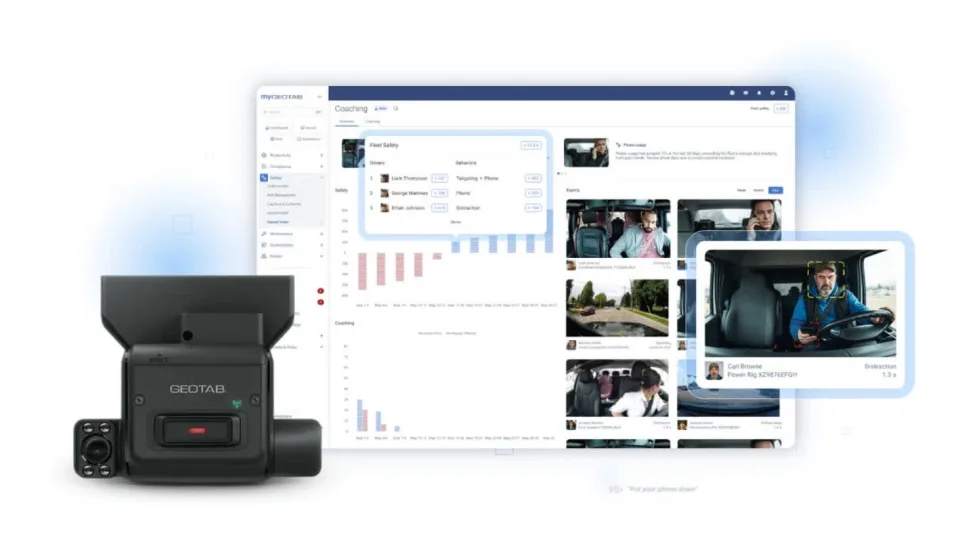
Geotab Expands Fleet Safety Tools With Video Coaching, Risk Insights
New safety and video capabilities aim to help fleet managers assess risk, support drivers, and take targeted action through video coaching, red-light violation detection, and more.
Read More →

How to Build a Better School Bus Driver Training Program
Is it time to strengthen your driver training? Here’s how to pick the right talent and improve recruitment, retention, and safety. This video is brought to you by IC Bus.
Read More →
Recent School Bus Accidents Leave 2 Dead, 2 Injured
Four school bus crashes in Florida, Illinois, and Georgia highlight risks in transportation lots, at bus stops, and during student loading and unloading.
Read More →
When Every Second Matters, Clarity Keeps Routes Moving
From routine delays to urgent incidents, strong communication practices help drivers, dispatchers, schools, and families respond with confidence.
Read More →
What Happens When a School Bus Catches Fire — and What Can Help
School bus fires are rare but can be devastating. Learn how advances in fire suppression and asset protection help fleets detect fires earlier, reduce damage, and improve safety.
Read More →
Geotab Launches Tool to Help Fleets Investigate Road Incidents
Geotab Investigations combines telematics data, video, documents, and other evidence to help fleets reconstruct incidents, resolve claims, and determine what happened.
Read More →
Texas Sixth Grader Wins 2026 National School Bus Safety Poster Contest
Sai Darshana Yekolu of Moseley Middle School in Prosper, Texas, was named the newest winner for her artwork, bringing the theme of “Safe Rides, Everyday Heroes” to life.
Read More →
Doing More With Less: How Transportation Directors Can Prioritize Safety Amid Budget Uncertainty
With diesel prices soaring and nearly one-third of transportation directors expecting budget cuts, maintaining student safety has never been more challenging. Download this guide to learn how leading districts are prioritizing risk, funding critical safety technology, and building stronger budget cases with data.
Read More →