





Related: Indiana District Resolves School Bus Service Problems, Resumes Classes
Toronto School Boards Reportedly Mishandled School Bus Driver Shortage, Now Working to Prevent Delays
Two school boards work to prevent another driver shortage this fall after an investigation finds that their “actions and inactions” led to thousands of students being stranded last September.
August 11, 2017
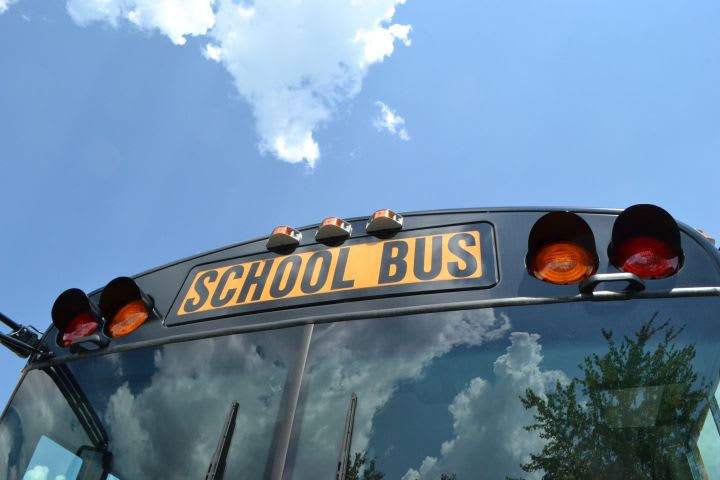
Toronto's two largest school boards are working to prevent another driver shortage this fall after an ombudsman investigation found that they mishandled a driver shortage, which led to significant delays as school started last September.
4 min to read
Toronto's two largest school boards are working to prevent another driver shortage this fall after an ombudsman investigation found that they mishandled a driver shortage, which led to significant delays as school started last September.
TORONTO — The two largest school boards here have taken steps to prevent another bus driver shortage this fall after an investigation found that their “actions and inactions” led to thousands of students being stranded as school began last September.
The investigation was led by Ontario Ombudsman Paul Dubé, according to a news release from Ombudsman Ontario. This is his first investigation involving school boards, which were recently added to the ombudsman’s mandate. Dubé details in the report, which was published on Thursday, problems with service delays that occurred in early September 2016 among bus operators contracted by the Toronto District School Board (TDSB) and Toronto Catholic District School Board (TCDSB).
The two boards and their shared transportation consortium failed to heed early warning signs that dozens of bus routes had no drivers, and even as the crisis worsened, they did not adequately warn parents, Dubé stated in his report, “The Route of the Problem.”
Although busing delays and adjustments occur at the start of every school year, the “unprecedented” scope of the problem should have been clear before September 2016, Dubé noted in the report.
“My investigation found that, far from being unpredictable and beyond the control of the school boards and Toronto Student Transportation Group, the 2016 transportation disruptions were rooted in their actions and inactions before the start of the school year,” according to the ombudsman. “They approached the issue of school busing with a sense of complacency and were unprepared when the crisis hit.”
The ombudsman’s investigation looked at 127 complaints, many from families who were significantly impacted by the busing disruption. For example, several young children with special needs went missing for hours after being dropped off at the wrong stops. Also, one mother told investigators she lost her job because her daughter’s school bus was repeatedly late and she couldn’t get to work on time.
Ombudsman investigators reviewed emails and documents that revealed officials were aware of potential problems dating back to early 2016, after a new transportation service contract was signed and a new method was implemented for assigning routes, according to the news release. By August 2016, numerous routes had been repeatedly revised, leaving some operators and drivers unable or unwilling to cover them.
On Sept. 1, five days before the start of school, an email from the top transportation official warned both boards that “significant service delivery issues” should be expected, and one TCDSB official told a senior colleague “You need to let everyone know.” However, neither board sent formal written notification to parents until Sept. 8 and 9, the ombudsman notes in the report.
Dubé also noted in the report that his office has received complaints about busing issues at other school boards, although none revealed problems on the same scale as those in Toronto in September 2016.
Dubé makes 42 recommendations in the report, all of which have been accepted by the boards and their transportation consortium.
The two school boards stated in a news release on Thursday that they welcomed the ombudsman’s report. The news release from the boards also outlined the steps that the Toronto Student Transportation Group has taken to ensure the problems encountered last year are not repeated. Those steps include:
• Providing bus operators with routes earlier in the planning process to give them enough time to match all routes with drivers.
• Planning the installation of new bus routing software to ensure more accurate route planning.
• Conducting weekly teleconferences with bus operators to ensure readiness for September.
• Installing GPS on all buses for the 2017-18 school year so that school boards and bus operators can track the status of buses and improve the timeliness and accuracy of communication to parents.
• Launching a new online transportation portal to allow parents to access their children’s transportation information and receive email notifications if there are any school bus cancellations or delays.
• Adding more call center staff during peak times, such as the start of school, to improve responsiveness and communication to schools and parents.
All school bus companies have indicated that they do not anticipate any significant challenges like those of last year, and are continuing to hire and train drivers throughout the summer, according to the news release from the school boards. Should bus operators not have sufficient drivers by Friday, bus routes will be removed and distributed to other companies that have the capacity to take on the work.
“The TCDSB is appreciative of the recommendations contained in the Ombudsman’s report, as it reaffirms the solutions we have already undertaken collectively with our transportation partners since last September,” said Rory McGuckin, director of TCDSB. “The report will also help us monitor performance and support our ongoing commitment to provide an optimum level of school bus service for our students.”
“The disruptions last fall should not have happened and we believe the steps that are being taken will ensure it doesn’t happen again,” said John Malloy, the director of TDSB.
The school boards will report back to the ombudsman on their progress on other improvements — such as a planned “where’s my bus” app targeted for September 2018 — in response to his recommendations.
More Management

How to Build a Better Driver Training Program
Ready to boost up your school bus instructor training? Here’s how to pick the right talent and improve recruitment, retention, and safety.
Read More →
CALSTART and Forth Combine to Form Catalyst Mobility
The new name represents a renewed vision for the nonprofit focused on advancing clean, equitable, and affordable transportation solutions that move people and goods.
Read More →
What Makes a Great School Bus Driver Trainer?
Choosing the right school bus driver trainer takes more than experience. Learn six keys to selecting and developing trainers and evaluating program effectiveness.
Read More →

School Bus Contractors Expand Through New Deals, Acquisitions & Partnerships
STA's Canadian division acquires Ontario-based G&L Stevenson Transport; Durham School Services adds a new district in California; First Student expands in New Jersey; and Minnesota Coaches rebrands and acquires Halo Transportation.
Read More →
Logan Bus Company Rolls Out AI Phone System for NYC School Bus Families
A summer pilot found that AI agents could handle most routine calls, freeing up time for customer service staff to focus on emergencies and complex family concerns.
Read More →
From Intent to Impact: What I Learned About Leadership from TAPT
A Texas transportation supervisor shares lessons on self-awareness, accountability, managing stress and building trust — and why investing in leadership development matters at every stage of your career.
Read More →
NAPT Names 2026 Award Recipients, Hall of Fame Inductee
Who earned national recognition for their work in student transportation? This year, NAPT named five recipients of its 2026 awards for service, safety, and leadership, plus its newest Hall of Famer.
Read More →
Sponsored•September 2, 2026
2026 State of Student Transportation Report
Driver shortages. Rising costs. Growing safety expectations. More data, but not enough time to act on it. The 2026 State of Student Transportation Report reveals what transportation leaders say is putting the most pressure on their operations—and where they’re investing next. See how your priorities compare.
Read More →
How to De-Escalate an Angry Person: 5 Steps for Handling Workplace Conflict
What makes emotions run high, and how should you handle an angry colleague or parent? Follow these steps for staying calm, listening, showing empathy, and resolving conflict.
Read More →
Sponsored•September 1, 2026
What Readiness Looks Like This School Year
Learn about the challenges shaping the 2026–2027 school year, from persistent driver shortages and budget pressure to technology and readiness gaps. See how school districts are responding and adapting in Zonar’s 2026 Back-to-School Readiness Report.
Read More →