




Tire Manufacturer Opens Research Laboratory for Dandelion Rubber
Continental’s new research laboratory, Taraxagum Lab Anklam, will be the base for future research on farming and the extraction process of natural rubber from Russian dandelions.

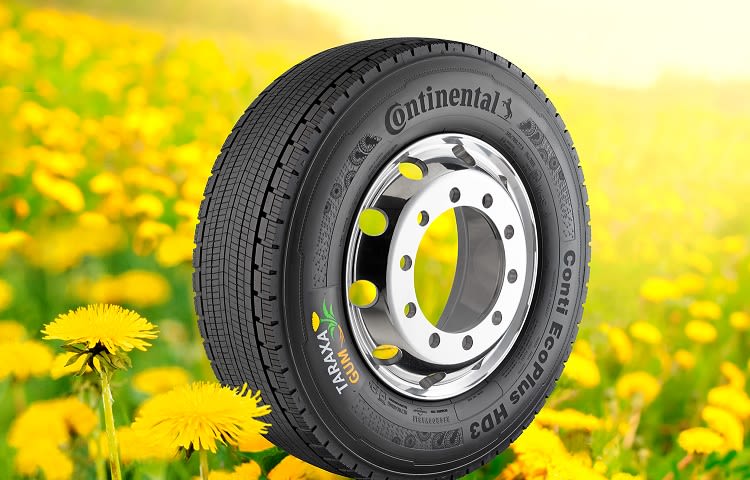
Continental’s new research laboratory, Taraxagum Lab Anklam, will be the base for future research on farming and the extraction process of natural rubber from Russian dandelions.
Continental’s new research laboratory, Taraxagum Lab Anklam, will be the base for future research on farming and the extraction process of natural rubber from Russian dandelions.
ANKLAM, Germany — Automotive supplier and tire manufacturer Continental recently opened a new research laboratory here to research the use of dandelions as an alternative to the rubber tree.
The Taraxagum Lab Anklam will be set as the base for future research on farming and the extraction process of Russian dandelion as an alternative raw material source to the rubber tree in the tropics. If initial test results indicate viability, the tire manufacturer is planning to introduce the raw material into serial production within ten years, according to a news release from Continental.
“We are proud to inaugurate this lighthouse project today,” said Nikolai Setzer, member of the executive board of Continental AG and head of the tire division, at the opening ceremony on Dec. 6. “We are the first tire manufacturer in the world to invest such a significant amount in industrializing dandelion rubber. We see Russian dandelion as an important alternative and complementary to conventional natural rubber from hevea brasiliensis allowing us to meet rising global demand in an environmentally compatible and reliable way.”
Also in attendance at the ceremony was Harry Glawe, minister of Economic Affairs of Mecklenburg-Western Pomerania, Michael Galander, the mayor of Anklam, and site manager Dr. Carsten Venz.
Setzer added that the company’s investment in the new laboratory is part of its Vision 2025 business strategy, in which Continental has invested more than 2 billion euros in production, research, and development as well as in jobs and new products.
Approximately 20 employees with background in agricultural sciences, chemistry, and production and process technology will conduct research on plant cultivation, in addition to developing, setting up, and operating machines for processing Russian dandelions at the new location.
Continental had presented plans for the laboratory in August 2016 and began construction in November 2017.
“We have been working to understand the molecular basis of the rubber biosynthesis in the dandelion plant for many years,” said Dirk Prüfer, professor of plant biotechnology at the University of Münster and site director of the Fraunhofer Institute for Molecular Biology and Applied Ecology IME, Münster branch. “This biological understanding has now brought industrial use within reach. With the new test laboratory, Continental has broken new ground that makes this transfer concept highly visible.”
For more information about the Taraxagum project, go to www.taraxagum.com.
More Maintenance
International Adds E-Commerce Capabilities to Fleetrite.com
IC Bus customers can now browse, buy, and track shipments for more than 400,000 aftermarket parts online.
Read More →
The Most Expensive Thing You Do Before Selling a School Bus: Wait
When should you sell an aging school bus? Learn how maintenance, mileage, corrosion, specifications, and timing can affect resale value long before the auction.
Read More →
The essential guide to school bus maintenance and student safety
Reactive maintenance puts students at risk of breakdowns, delays and roadside emergencies. This guide gives transportation directors a data-driven framework to predict failures, extend bus lifespans and improve fleet reliability across every route.
Read More →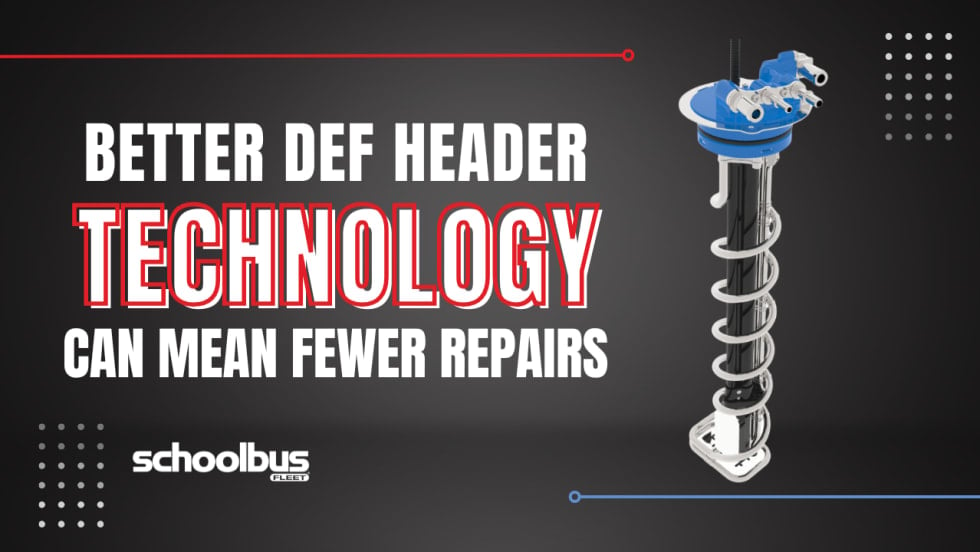
The Evolution of DEF Header Technology: What School Bus Operations Should Know at Replacement Time
See what school bus fleets should consider when replacing DEF headers to improve reliability, reduce repeat repairs, and control maintenance costs.
Read More →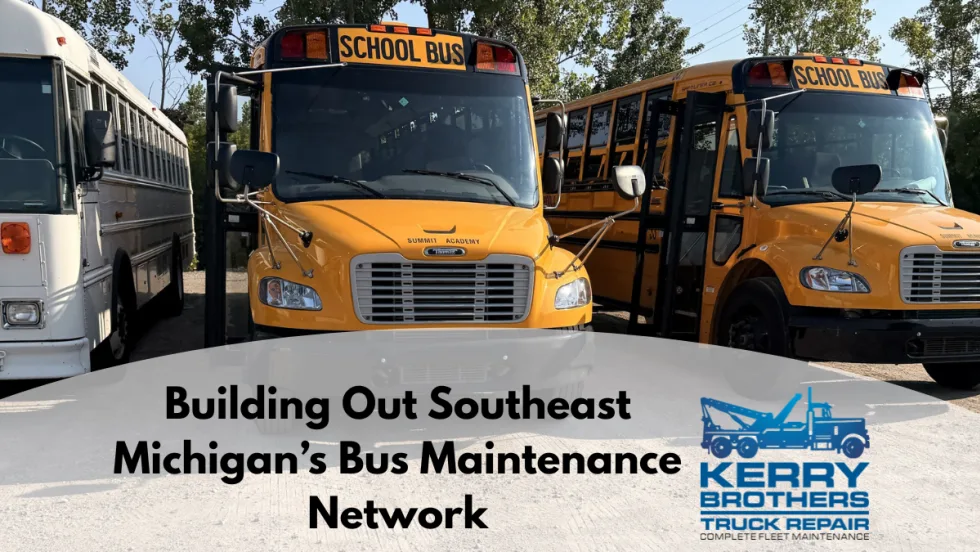
Kerry Brothers Grows Michigan School Bus Repair Network
The acquisition of Downriver Truck and Bus expands Kerry Brothers’ school bus maintenance footprint across southeast Michigan, adding repair capacity, diagnostic resources, and state inspection support.
Read More →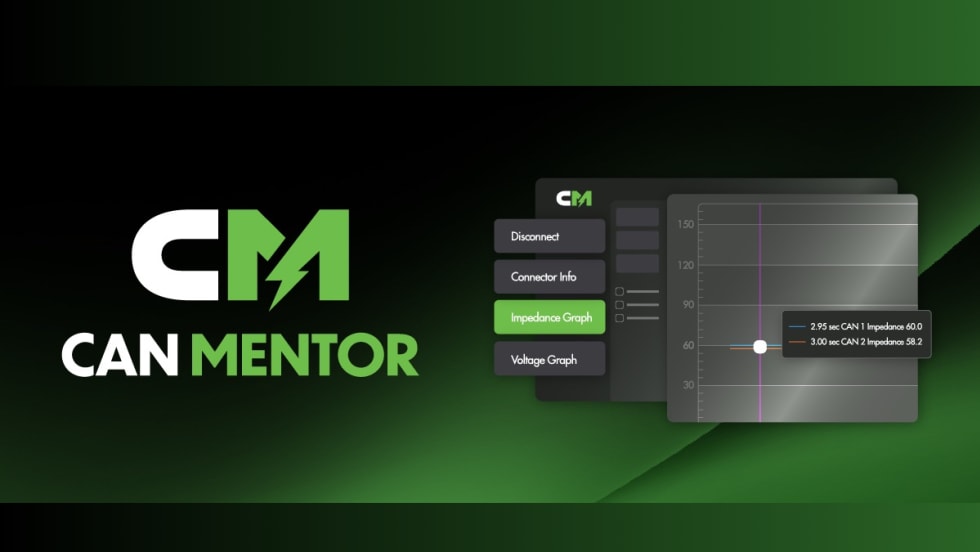
Noregon Introduces CAN Bus Diagnostic Tool, Expands JPRO Features
CAN Mentor and the latest JPRO update aim to simplify vehicle network diagnostics and improve repair efficiency for technicians of all experience levels.
Read More →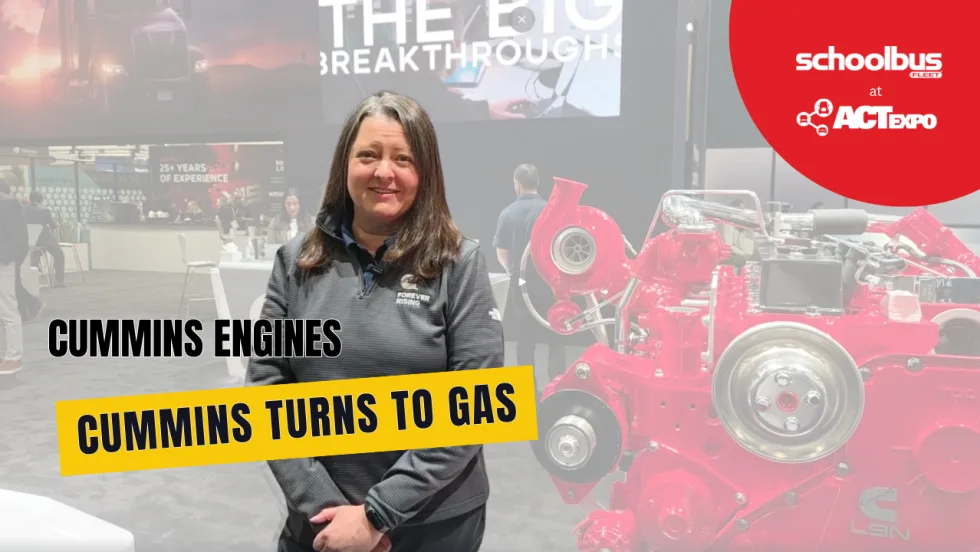
Cummins on Smarter, Simpler Engine Innovation
Cummins discusses its first-ever gasoline engine for school buses, EPA 2027, and why bus fleets still want durable, simpler internal combustion options.
Read More →
Report: 72% of Diesel School Buses Now Use Advanced Low-Emission Engines
New data shows advanced low-emission diesel technology continues expanding across school bus fleets, even as electric bus adoption gains momentum.
Read More →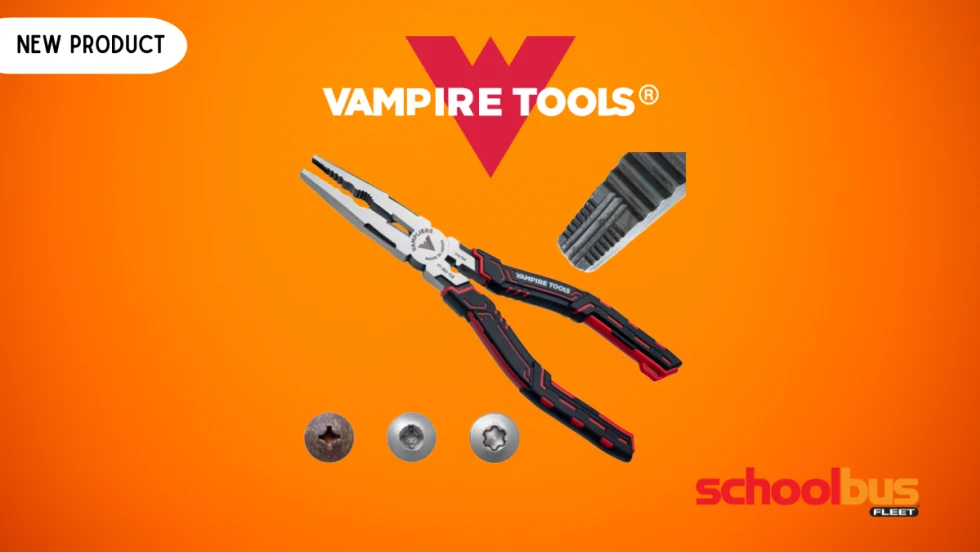
Vampire Tools' CAIMAN 7.5-Inch Multi-Purpose Screw Extractor Long-Nose Pliers with Crimper
Vampire Tools introduced the VAMPLIERS Caiman 7.5-inch multi-purpose pliers, combining screw extraction, cutting, crimping, and gripping functions into a single tool designed for fleet maintenance professionals.
Read More →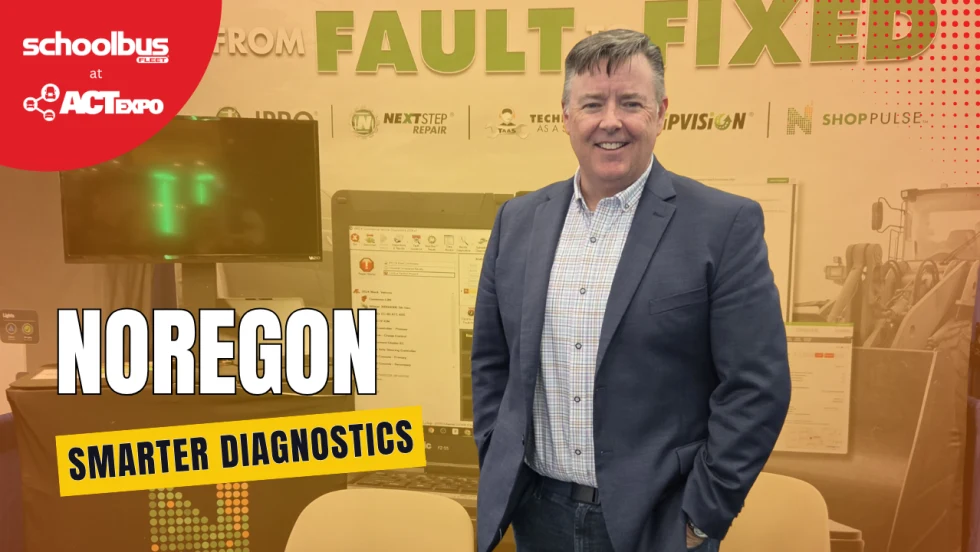
How Advanced Diagnostics Helps Bus Fleets Stay Ahead of Repairs
Chat with Noregon’s Kevin Smallhorn at ACT Expo about bus diagnostic tools, telematics integration, CNG maintenance support, and strategies to help reduce downtime and improve uptime.
Read More →