




Thomas Built Buses Features 'Powering Possibilities' at NAPT
The school bus manufacturer will showcase key technological advancements in electric vehicle technology and the newest diesel engines at the association’s trade show on Tuesday.

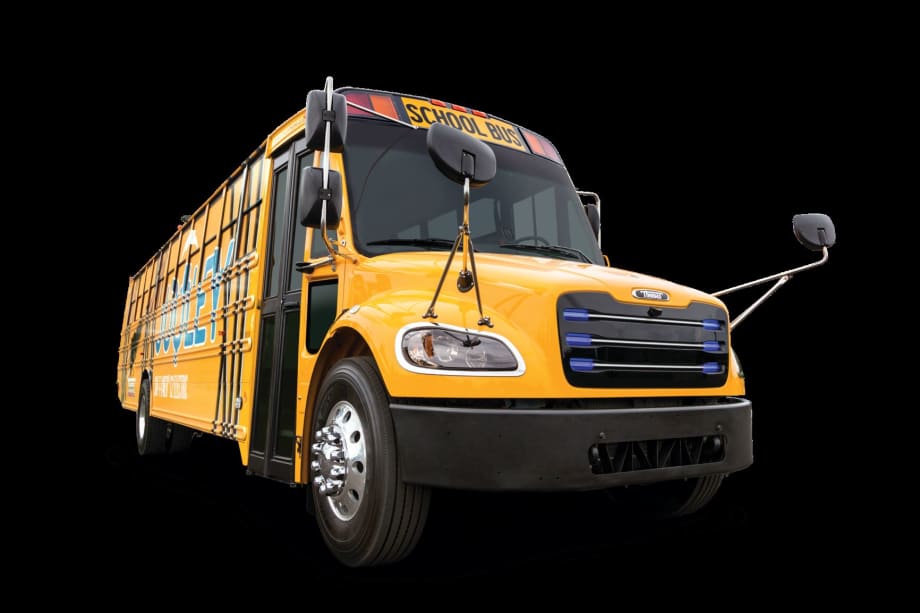
Thomas Built Buses will showcase key technological advancements in electric vehicle technology and the newest diesel engines at the NAPT trade show. (Shown here is the Saf-T-Liner eC2 Electric Bus.)
Thomas Built Buses will showcase key technological advancements in electric vehicle technology and the newest diesel engines at the NAPT trade show. (Shown here is the Saf-T-Liner eC2 Electric Bus.)
KANSAS CITY, Mo. — Thomas Built Buses will debut key technological advancements in electric vehicle technology and the newest diesel engines at the NAPT trade show on Tuesday.
“It’s a new world in electrification and, as electric vehicle technology evolves at lightning-fast speed, Thomas Built Buses is working with visionary partners to deliver groundbreaking innovations,” said Caley Edgerly, president and CEO of Thomas Built Buses. “It’s another chapter in our commitment as part of Daimler Trucks North America to provide sustainable solutions.”
Edgerly added that the manufacturer is also showcasing future electrification technologies.
Highlights at Thomas Built Buses’ booth will include:
Saf-T-Liner eC2 Electric Bus: The Saf-T-Liner eC2, powered by Proterra, will be on display accompanied by Thomas Built’s partners in EV technology — Efficient Drivetrains Inc. (EDI), Meritor Inc., and Proterra Inc. Key features of the new eC2 on display include new options for greater range (up to 150 miles), charging options for AC and DC power, and greater overall efficiency, according to the manufacturer. Thomas Built Buses will also showcase a DC charging option and an example of an e-axle mobility option.
Thomas Built Buses Saf-T-Liner C2,equipped with Detroit DD5 Engine with Detroit Connect Virtual TechnicianSM Remote Diagnostics Service: The Saf-T-Liner C2 will be equipped with the new Detroit DD5 engine. This new engine is designed to deliver power, performance, best-in-class fuel economy, reliability, easier maintenance, and a low total cost of ownership. It features top-load oil and fuel filters, with up to 45,000-mile oil and fuel filter change intervals, or 18 months or 1,500 hours, whichever comes first, according to the manufacturer.
The engine also meets 2017 greenhouse gas (GHG17) standards, utilizing technology that includes variable exhaust cam phasing, which allows additional heat into the exhaust. This new technology is designed to enable efficient operation of the aftertreatment system in low speed stop-and-go operations.
Additionally, the DD5 engine comes equipped with the Detroit Connect Virtual Technician remote diagnostics service.
The Saf-T-Liner C2 will also showcase technologies and safety features such as a collision warning system, pedestrian detection, and the PV360 multi-camera.
Thomas Built Buses Saf-T-Liner HDX, equipped with Detroit DD8 engine with Detroit Connect Virtual Technician remote diagnostics service: The Detroit DD8 engine is a 7.7L in-line 6-cylinder medium-duty engine tailored to meet the demanding requirements of Thomas Built Buses Saf-T-Liner HDX. It features a horsepower range of 260-300 horsepower and a torque range of 660 to 860 lb.-ft.
The DD8 offers longer maintenance intervals and improved fuel efficiency. It meets 2017 GHG17 standards and utilizes a global medium-duty engine platform. It also employs variable exhaust cam phasing for more efficient aftertreatment system performance, in an effort to help reduce issues previously experienced in low-speed or stop-and-go operations.
The DD8 also offers Detroit Connect Virtual Technician remote diagnostics service.
Meanwhile, Thomas Built Buses reports that it has sold out of its 2018 allocation of the DD5 engine.
However, customers can still order the DD5 engine for 2019 delivery by contacting their local Thomas Built Buses dealer.
More Alternative Fuels

Nobody Told Diesel Prices They Were Supposed to Come Down
With diesel prices surging, school bus fleets have new reason to stress-test fuel costs, consider diversification, and calculate what each route really costs to operate.
Read More →
Why Gasoline School Buses Are Making a Comeback
Gasoline is gaining ground in full-size school buses. See how today’s options stack up against diesel on cost, maintenance, emissions, performance, and more.
Read More →
EPA Opens $180M DERA Funding Round for Diesel Upgrades
The 2026 Diesel Emissions Reduction Act program seeks applications from eligible organizations to accelerate the retirement of legacy diesel vehicles.
Read More →
The Secret Life of an Electric School Bus Battery
Batteries change throughout years of daily routes, but degradation doesn’t necessarily mean the end. Here’s what operators should know about performance, safety, and second life.
Read More →
CALSTART and Forth Combine to Form Catalyst Mobility
The new name represents a renewed vision for the nonprofit focused on advancing clean, equitable, and affordable transportation solutions that move people and goods.
Read More →
Alt-Fuel Moves: New Buses, Charging Hubs & Real-World EV Testing
Propane and electric school bus deployments continue to grow as districts add new vehicles, expand charging infrastructure, and gather more real-world operating data.
Read More →
Fewer Electric School Bus Models Reshape the U.S. Market
WRI’s latest buyer’s guide points to a consolidating electric school bus market, but fewer options may reflect a maturing industry rather than fewer meaningful choices for school bus operators.
Read More →
The Fuel Budget You Can Actually Predict: How Propane Autogas Keeps Money in the Classroom
Learn how propane autogas helps school districts manage fuel costs with predictable pricing, lower maintenance, and reduced emissions from former transportation director Joel Stutheit.
Read More →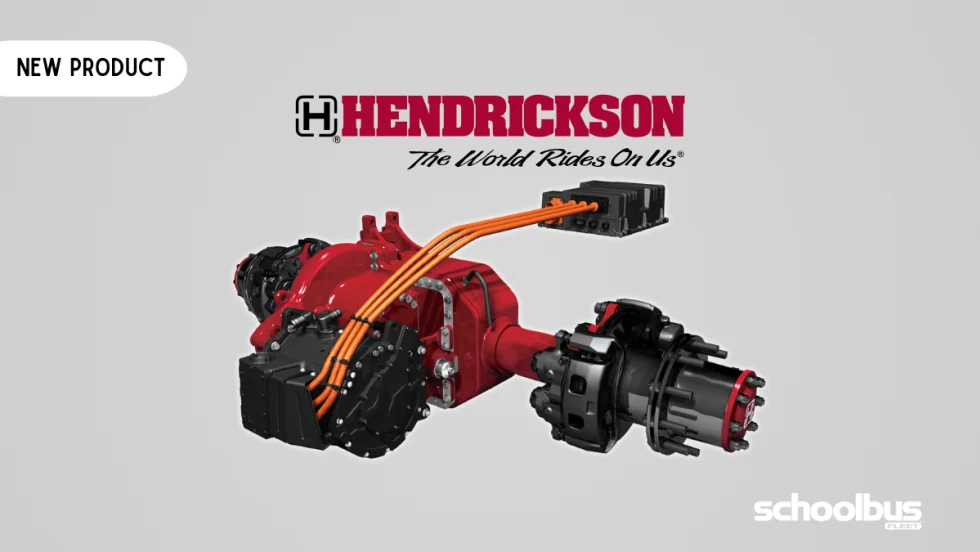
Hendrickson, Driventic Introduce New Electric Powertrain for School Buses
ELECTRAAX, the electrified, lightweight drive axle offers integrated ePowertrain efficiency and modular flexibility for Class 6–7 school bus use.
Read More →
The Mobility House Joins PowerFlex in Fleet Electrification Deal
The acquisition combines intelligent charging software, bidirectional charging expertise, and fleet electrification services to support the growing adoption of electric school buses across North America.
Read More →