




Texas school bus fleet still keen on propane after 30 years
Web Exclusive: Alvin Independent School District switched to propane autogas in 1982. Today, with a fleet of more than 100 buses running on the alternative fuel, Fleet Maintenance Manager Juan Mejias says that the district is benefiting from lower fuel costs, extended oil change intervals and reduced emissions.

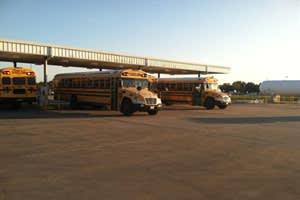
Alvin ISD used an $80,000 grant to upgrade to a higher volume pump and dispenser to service its growing propane autogas bus fleet.
ALVIN, Texas — Alvin Independent School District (ISD), just south of Houston, converted its school bus fleet to propane autogas following the energy crisis of the 1970s.
Fuel access and pricing were starting to hinder the district’s transportation department, and after researching alternative fuels, the district switched to propane autogas in 1982. Thirty-one years later, Alvin ISD operates more than 100 propane autogas school buses that travel a total of nearly 1 million miles each year.
Today, more than half of Alvin ISD’s buses run on propane autogas, including 70 dedicated propane Blue Bird Vision Type C buses and 36 converted gasoline buses. The remaining fleet is made up of 80 diesel-fueled buses.
Performance, maintenance
According to Juan Mejias, Alvin ISD’s fleet maintenance manager, drivers have developed a preference for the propane autogas buses, and the district relies on them for their power and ease in maintenance.
“Our bus drivers love the acceleration with propane autogas,” Mejias said. “When we take the buses out of rotation for routine maintenance and drivers use the spare diesel buses, they come back and ask us how soon they can get their propane bus back. The drivers don’t have the same hesitation accelerating and merging in traffic like they do with the diesel buses. The performance is that good.”
After three decades with propane autogas, the district has witnessed noticeable improvements in engine technology over the years. New Blue Bird Vision buses are equipped with clean-burning ROUSH CleanTech liquid propane autogas fuel systems, and Mejias reports that they are simpler and easier to service.
“The overall cost and maintenance is the best,” Mejias said. “It’s very easy for me to get a mechanic over and get work done in a very short period of time on our propane autogas-fueled buses. With our diesel buses, there are more filters to change, more components to look at.”
Cost advantages
On average, Alvin ISD retires its buses every 13 to 14 years, with each propane autogas bus running approximately 270,000 to 280,000 miles during its lifetime. When maintenance costs such as routine oil changes are calculated over the lifetime of the bus, savings with propane autogas versus conventional fuels compounds quickly.
“We’ve experienced extended oil changes to every 10,000 miles with propane compared to 6,000 or 7,000 miles with diesel,” Mejias said. “That’s a big savings over time.”
Savings in maintenance and oil changes alone can add up quickly with a large bus fleet like Alvin ISD’s. When the district adds its low fuel cost into the calculation, Alvin ISD reportedly doubles its total savings with propane autogas.
“We’ve been using propane autogas for decades, and we have always seen substantial cost savings, even without the federal rebate,” Mejias said. On average, Alvin ISD pays 55 to 60 cents per gallon for propane autogas after applying the federal alternative fuel excise tax, which saves fleets 50 cents per gallon for using alternative fuels such as propane autogas.
In a head-to-head comparison between 56 of the district’s propane autogas buses and 56 diesel buses, propane autogas cost the district 37 cents less per mile to operate than the diesel-fueled buses, before the 50-cent tax credit. Additionally, the fleet of propane autogas-fueled buses traveled nearly 500,000 more miles than the diesel buses for the same fuel cost.
High-power pumps
New propane autogas infrastructure has saved Alvin ISD time and money.
The district recently used an $80,000 grant to upgrade to a higher volume pump and dispenser to service its growing propane autogas bus fleet. Alvin ISD currently operates an 18,000-gallon tank with three dual dispensers, allowing six buses to be fueled at the same time.
“The new pumps allowed us to refuel more buses at once and practically cut refueling time in half,” Mejias said.
Additionally, Mejias credits the service of the district’s propane retailers with providing reliable 24/7 service for the district, eliminating supply issues of previous decades.
“They [propane retailers] go out of their way to make sure they deliver our fuel on time,” Mejias said. “Even if it’s at midnight or 4 in the morning, they’ll make sure we have the fuel we need to get the job done.”
Environmental standards
While Alvin ISD has seen many long-term financial benefits of fueling with propane autogas, the district’s alternative fuel buses also help to meet environmental standards in Texas.
Propane autogas buses burn cleaner than conventional fuels and are exempt from state idling restrictions and emissions testing. Alvin ISD’s fleet also meets all Texas Clean School Bus Program requirements set by the Texas Commission on Environmental Quality.
“With propane, the buses run clean, so there’s really no emission component when it comes to meeting state standards,” Mejias said. “We haven’t had to worry about any issues.”
According to the Propane Education & Research Council, propane autogas-fueled buses emit 40% less smog-forming hydrocarbon emissions than gasoline and 80% less than older diesel engines.
Other recent news on propane buses in Texas:
More Alternative Fuels
Alt-Fuel Moves: Electric Bus Rollouts, Bidirectional Charging & Propane Growth
See which fleets are adding electric and propane school buses as districts and operators invest in charging infrastructure, bidirectional technology, and alternative-fuel expansion.
Read More →
Nobody Told Diesel Prices They Were Supposed to Come Down
With diesel prices surging, school bus fleets have new reason to stress-test fuel costs, consider diversification, and calculate what each route really costs to operate.
Read More →
Why Gasoline School Buses Are Making a Comeback
Gasoline is gaining ground in full-size school buses. See how today’s options stack up against diesel on cost, maintenance, emissions, performance, and more.
Read More →
EPA Opens $180M DERA Funding Round for Diesel Upgrades
The 2026 Diesel Emissions Reduction Act program seeks applications from eligible organizations to accelerate the retirement of legacy diesel vehicles.
Read More →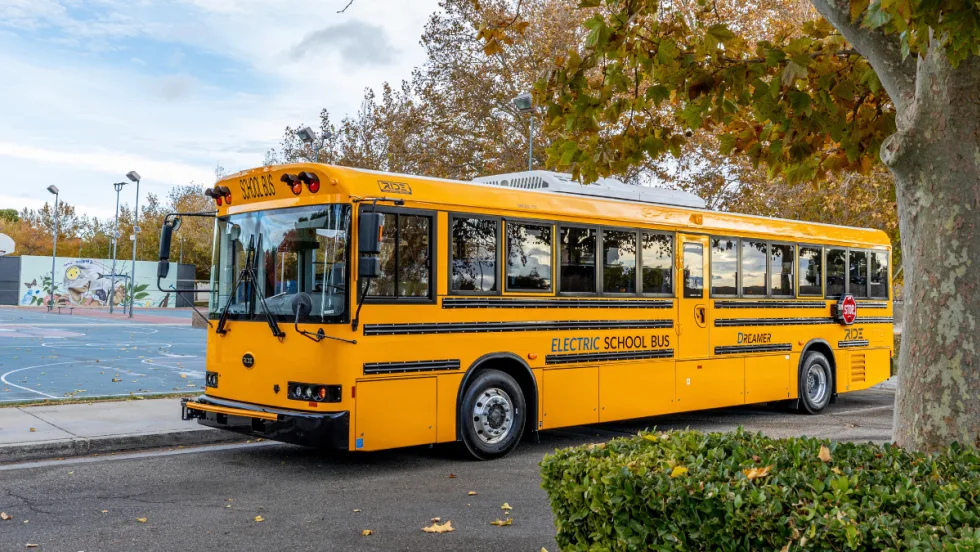
The Secret Life of an Electric School Bus Battery
Batteries change throughout years of daily routes, but degradation doesn’t necessarily mean the end. Here’s what operators should know about performance, safety, and second life.
Read More →
CALSTART and Forth Combine to Form Catalyst Mobility
The new name represents a renewed vision for the nonprofit focused on advancing clean, equitable, and affordable transportation solutions that move people and goods.
Read More →
Alt-Fuel Moves: New Buses, Charging Hubs & Real-World EV Testing
Propane and electric school bus deployments continue to grow as districts add new vehicles, expand charging infrastructure, and gather more real-world operating data.
Read More →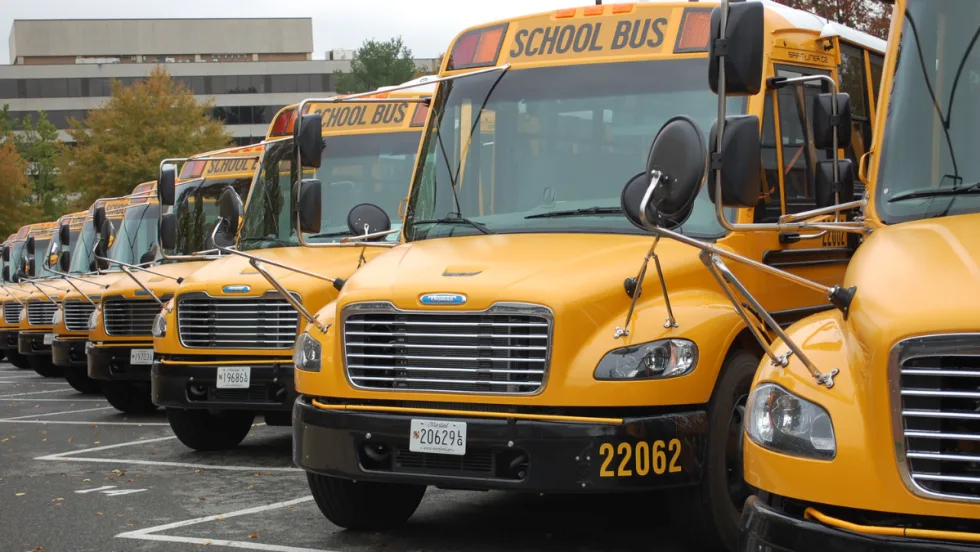
Fewer Electric School Bus Models Reshape the U.S. Market
WRI’s latest buyer’s guide points to a consolidating electric school bus market, but fewer options may reflect a maturing industry rather than fewer meaningful choices for school bus operators.
Read More →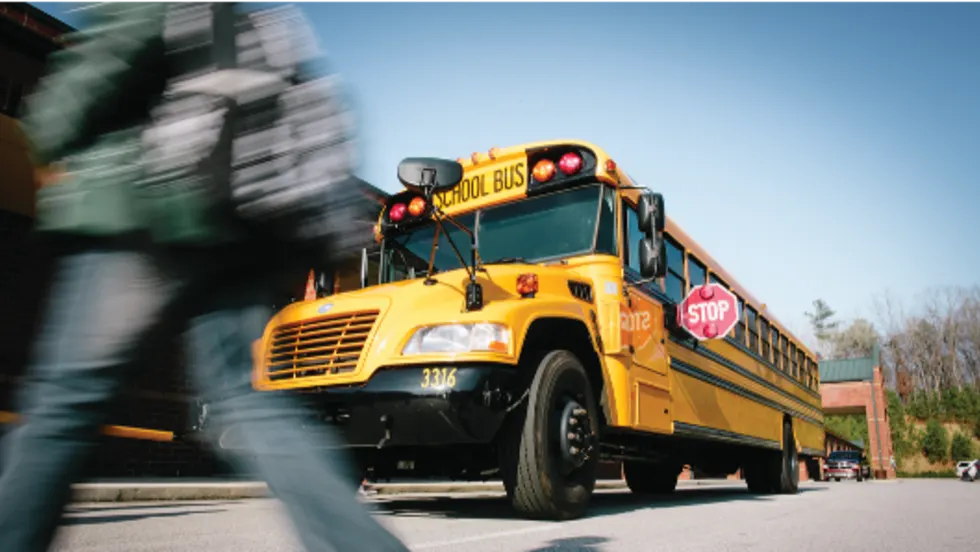
The Fuel Budget You Can Actually Predict: How Propane Autogas Keeps Money in the Classroom
Learn how propane autogas helps school districts manage fuel costs with predictable pricing, lower maintenance, and reduced emissions from former transportation director Joel Stutheit.
Read More →
Hendrickson, Driventic Introduce New Electric Powertrain for School Buses
ELECTRAAX, the electrified, lightweight drive axle offers integrated ePowertrain efficiency and modular flexibility for Class 6–7 school bus use.
Read More →