




Texas district tests school bus stop-arm extension
Bus Crossing Guard, an extra stop sign that extends 6 feet from the side of the bus, has been installed on 10 buses that transport McKinney ISD students.

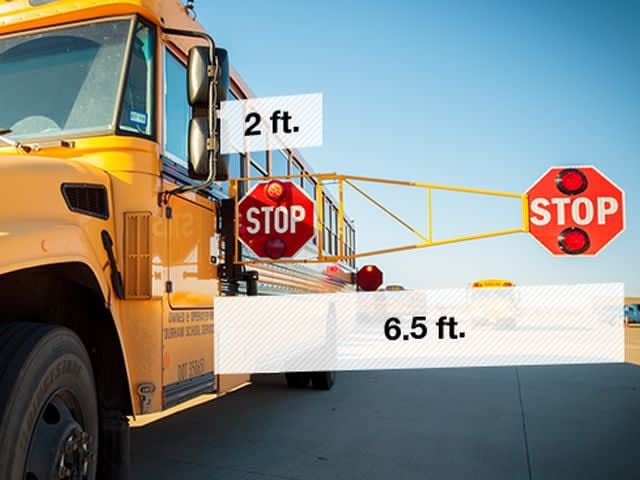
Bus Crossing Guard, an extra stop sign that extends about 6 feet from the side of the bus, has been installed on 10 buses that transport McKinney ISD students.
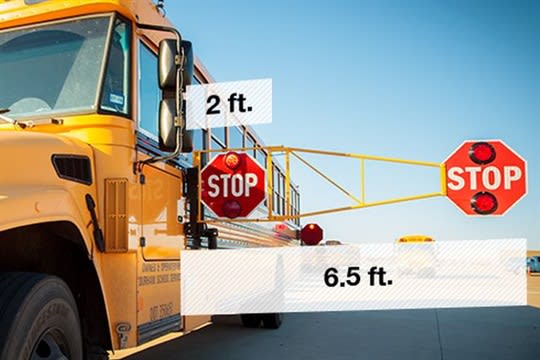
Bus Crossing Guard, an extra stop sign that extends about 6 feet from the side of the bus, has been installed on 10 buses that transport McKinney ISD students.
MCKINNEY, Texas — A local school district is taking aim at illegal school bus passing by testing a device that lengthens the reach of the stop arm into the next lane of traffic.
The stop-arm extension, dubbed Bus Crossing Guard and offered by Bus Safety Solutions LLC, has been tested in North Carolina and West Virginia. McKinney Independent School District (ISD) is believed to be the first district in Texas to try out the device.
The stop-arm extension, which costs about $1,000 each, has been installed on 10 buses that transport McKinney ISD students. Those buses cover routes with heavy traffic — and the most cases of stop-arm running. District officials said that they will consider adding more of the devices if they prove effective.
Last year, a one-day count of stop-arm running in Texas tallied 7,676 violations. At McKinney ISD, officials said that illegal passes occur at a rate of about 20 times per day, or about 3,500 per school year.
Bus Crossing Guard is a mechanical arm with an extra stop sign that extends about 6 feet from the side of the bus when it stops to load or unload students. The goal is to help get drivers’ attention and to impose a physical barrier to deter them from passing the bus.
McKinney ISD contracts with Durham School Services to transport the district’s students. Pete Chancellor, a general manager for Durham, said that he has already seen some improvement in the illegal passing problem since implementing the Bus Crossing Guard devices.
“I think it’s good,” Chancellor said in a district press release. “I think it increases awareness for the motorists. Again, we’d love to stop it completely. But, with the feedback we’ve gotten from the drivers, a lot of them see a big difference because the extended arm is so visible. So, we’ll continue to increase awareness and get feedback to see how it goes.”
Durham driver Bruce Austin said that the extended stop arms pose some challenges on McKinney’s narrower streets, but he said that violations have decreased since the device was installed on his bus last month.
“Now, I’m not seeing any cars trying to just literally go by me because they are afraid they might extend out into traffic or run into the arm,” Austin said. “So, I think it’s just a great idea. I’ve seen that it’s working.”
Sandra Ellis, a 20-year veteran driver, said that the stop-arm extension deters some motorists, although others have driven around it.
“It’s helping some because they see it sticking out there,” Ellis said. “You still have some of them that will run it. Some of them will go into the turn lane, in the median to pass it. I even had a big truck go around it, but it’s helping some.”
More Safety

HopSkipDrive Reports Progress on Safety Advisory Council
More than a year after forming the council, independent safety experts have helped shape new rider-safety features and policy progress, with a new goal to address rider behavior.
Read More →
What the 2026 National School Bus Safety Month Resolution Means for Student Transportation
The bipartisan resolution highlights illegal school bus passing, student safety during loading and unloading, and the need for driver training and public education.
Read More →
School Bus Stop-Arm Violations Decline 53% Across Verra Mobility Programs
Verra Mobility shares how school bus stop-arm cameras and school zone safety programs are changing driver behavior, reducing violations, and protecting students.
Read More →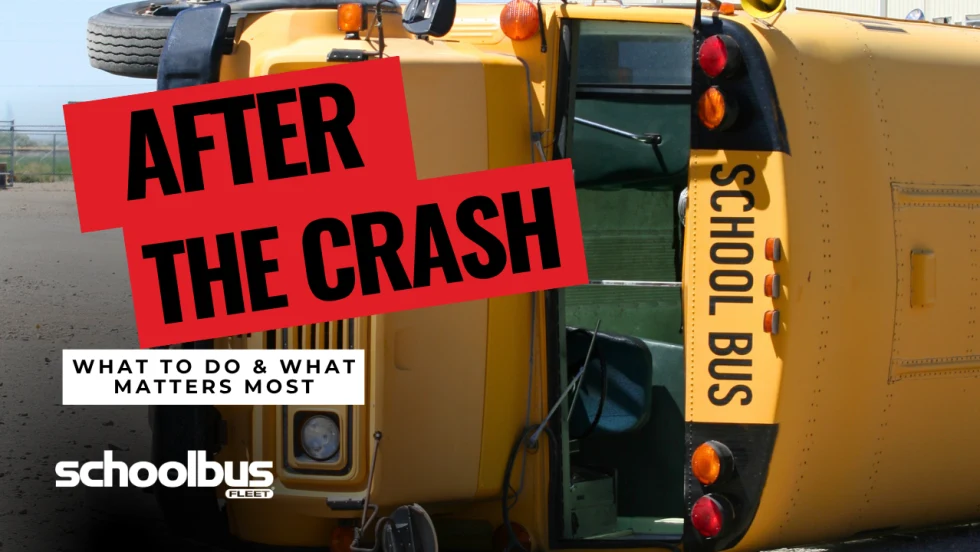
Most Bus Crashes Aren’t Your Fault. Here’s How to Prove It.
A guide for what to do in between a school bus crash and a claim: what to preserve, who to notify, and how to keep the facts available when they matter.
Read More →
National School Bus Safety Week 2026: Tips, Toolkits & Resources to Keep Students Safe
School bus safety takes more than awareness. Explore expert tips, enforcement strategies, and free resources to help protect students on every ride.
Read More →
2 Killed, Dozens Injured in Florida School Bus Crash
A multi-vehicle collision caused a Polk County school bus carrying 37 students to overturn on its way to Winter Haven High School.
Read More →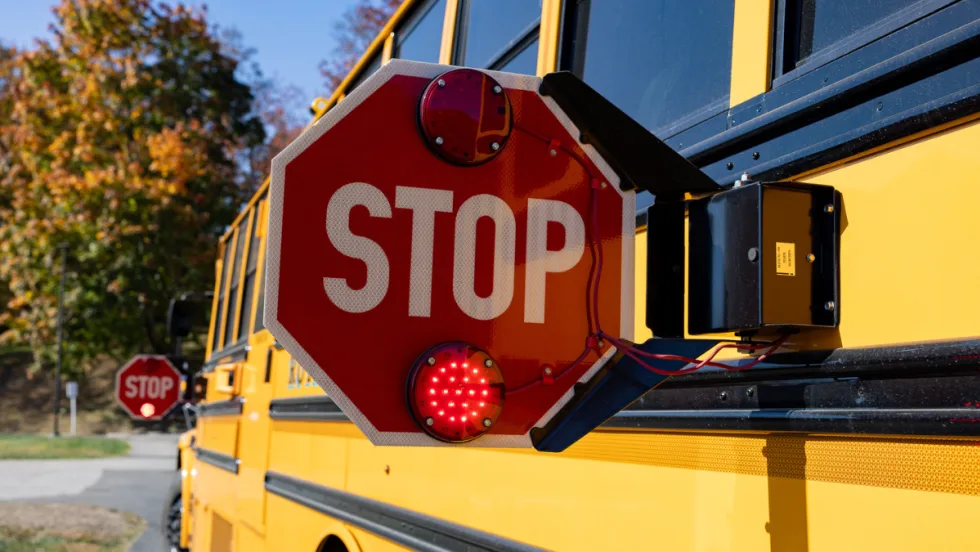
Illegal School Bus Passing Drops 24% in New York Districts
With fewer than 5% of citations involving repeat offenders, Westchester County officials said enforcement, education, and community partnerships are helping change driver behavior.
Read More →
School's Back. Here's What Happened to Traffic, Speeding & Distraction
What happens to traffic when school resumes? New data analysis examines changes in distracted driving, congestion, and speeding around schools.
Read More →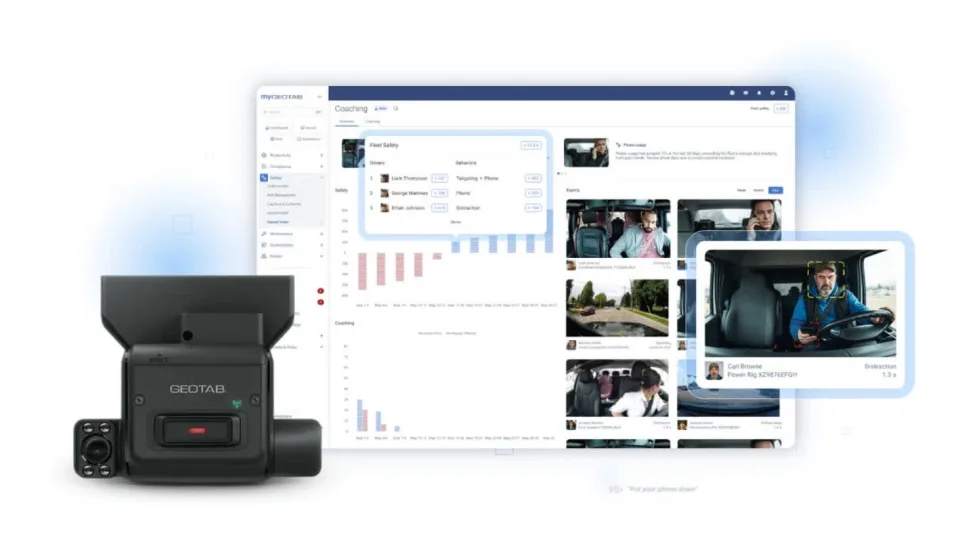
Geotab Expands Fleet Safety Tools With Video Coaching, Risk Insights
New safety and video capabilities aim to help fleet managers assess risk, support drivers, and take targeted action through video coaching, red-light violation detection, and more.
Read More →
How to Build a Better School Bus Driver Training Program
Is it time to strengthen your driver training? Here’s how to pick the right talent and improve recruitment, retention, and safety. This video is brought to you by IC Bus.
Read More →