




Stop requirement dropped for buses at Tacoma rail crossing
Tacoma (Wash.) Public Schools officials say that vehicle crashes have occurred when buses were required to stop at the crossing, which trains use infrequently and at low speeds.

TACOMA, Wash. — School buses are no longer required to stop at a railroad crossing here that trains use infrequently and at low speeds.
The goal of the change, officials said, is to prevent vehicle crashes on a road where traffic moves fast.
The rail crossing is on Route 509 near Alexander Avenue in Tacoma. Officials for Tacoma Public Schools said that because of sudden stops and vehicles traveling at 50 mph in the area, vehicle crashes have occurred when buses were required by law to stop so the driver could look both ways for trains.
The district worked on the issue with the Washington State Department of Transportation, which recently changed that rail crossing to “exempt,” so school buses — as well as other commercial vehicles with a capacity of eight or more passengers — don’t need to stop there.
The crossing is on a route that buses traverse to and from Stadium High School. Tacoma Public Schools officials said that the regulation change aims to “increase the safety of our Stadium student bus riders and other motorists who drive state Route 509.”
School buses will continue to stop at other rail crossings along Route 509. The crossing near Alexander Avenue is the only one with exempt status, district officials said.
Ahmer Nizam of the state Department of Transportation told The News Tribune that the crossing is used only by three trains per week going to a repair facility. Nizam also told the news source that those trains travel at a maximum of 10 mph, and most of them move at night and stop before proceeding through the crossing.
Here's a Google Maps "Street View" of the crossing:
More Safety

Geotab Launches Tool to Help Fleets Investigate Road Incidents
Geotab Investigations combines telematics data, video, documents, and other evidence to help fleets reconstruct incidents, resolve claims, and determine what happened.
Read More →
Doing More With Less: How Transportation Directors Can Prioritize Safety Amid Budget Uncertainty
With diesel prices soaring and nearly one-third of transportation directors expecting budget cuts, maintaining student safety has never been more challenging. Download this guide to learn how leading districts are prioritizing risk, funding critical safety technology, and building stronger budget cases with data.
Read More →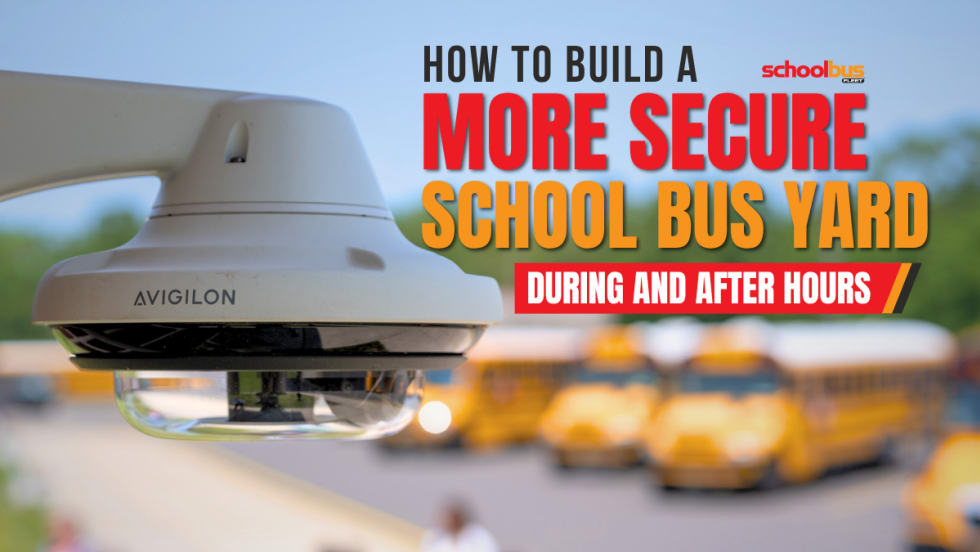
How To Build a More Secure School Bus Yard During and After Hours
As thefts and overnight security threats continue, school transportation leaders are combining stronger operational practices with AI-enabled surveillance to better protect buses, facilities, and staff.
Read More →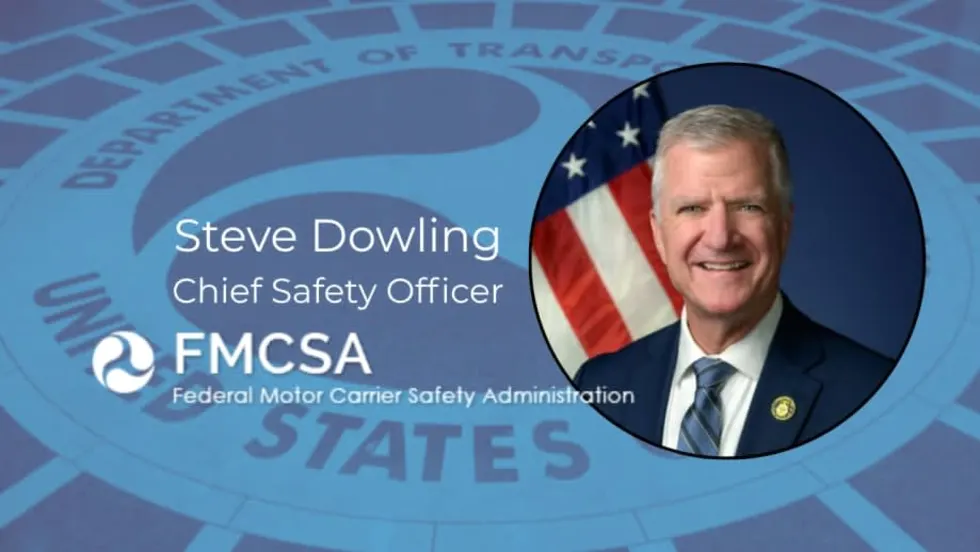
FMCSA Names New Chief Safety Officer: What School Bus Operators Should Know
Steve Dowling is set to lead the federal agency's efforts to advance commercial motor vehicle safety and reduce crashes, fatalities, and injuries on the nation's roadways.
Read More →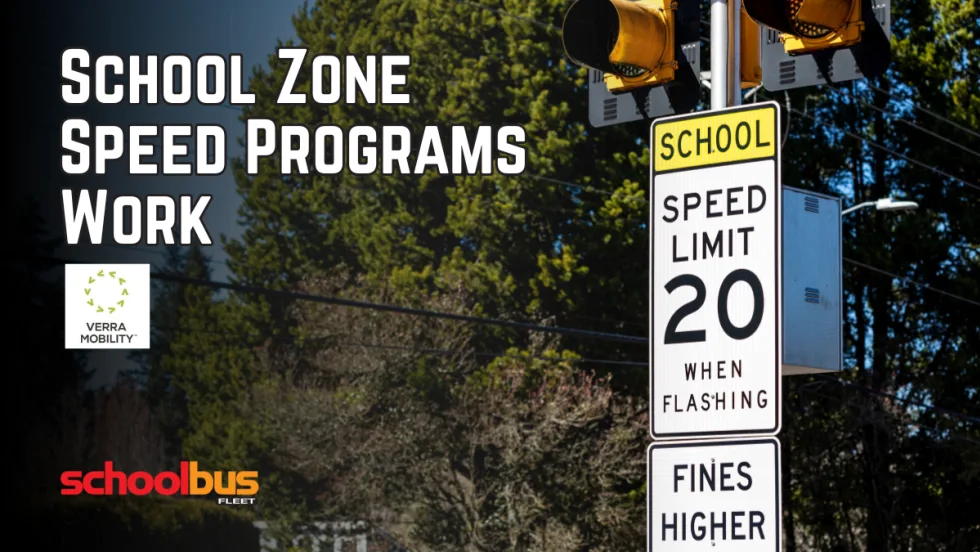
New Study Finds School Zone Speed Safety Cameras Cut Speeding Violations 97%
A Florida university's research demonstrates that Verra Mobility's automated enforcement changes driver behavior and significantly improves school zone safety.
Read More →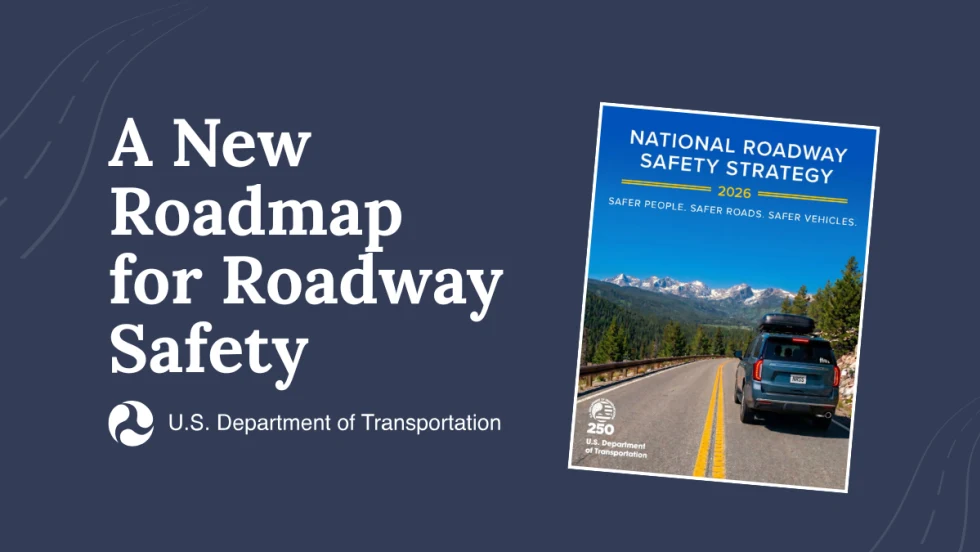
What Changed in DOT’s New National Roadway Safety Strategy?
The federal agency's new plan shifts its focus to safer people, roads and vehicles, with a new three-pronged approach instead of five. One outlined action even addresses a key industry concern around illegal school bus passing.
Read More →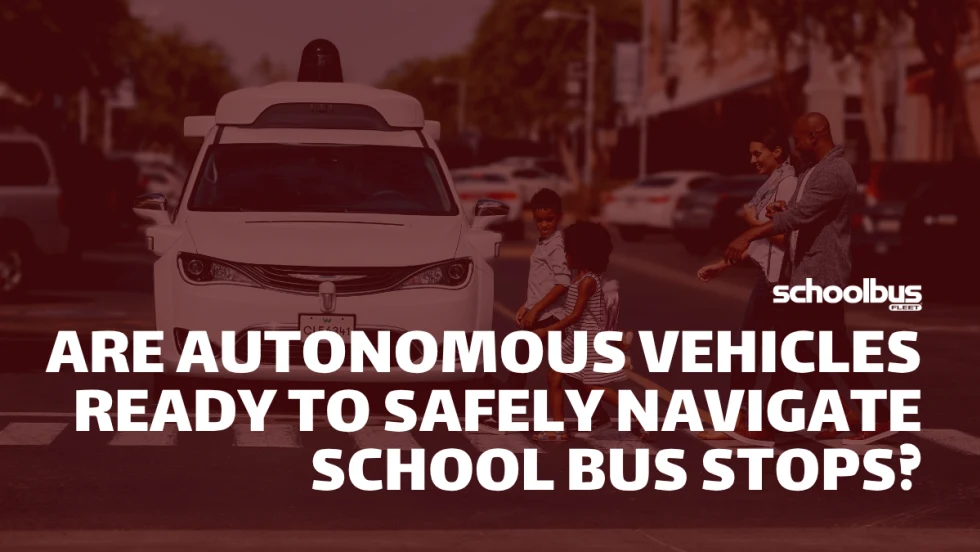
Are Autonomous Vehicles Ready to Safely Navigate School Bus Stops?
NHTSA is accelerating autonomous vehicle deployment through new safety standards and commercial approvals. See why school transportation leaders are watching.
Read More →
NFL Star Lomas Brown Kicks Off New Illegal School Bus Passing PSA
Just in time for the back-to-school season, the former Detroit Lions offensive tackle took time to record a video encouraging motorists to slow down around school buses.
Read More →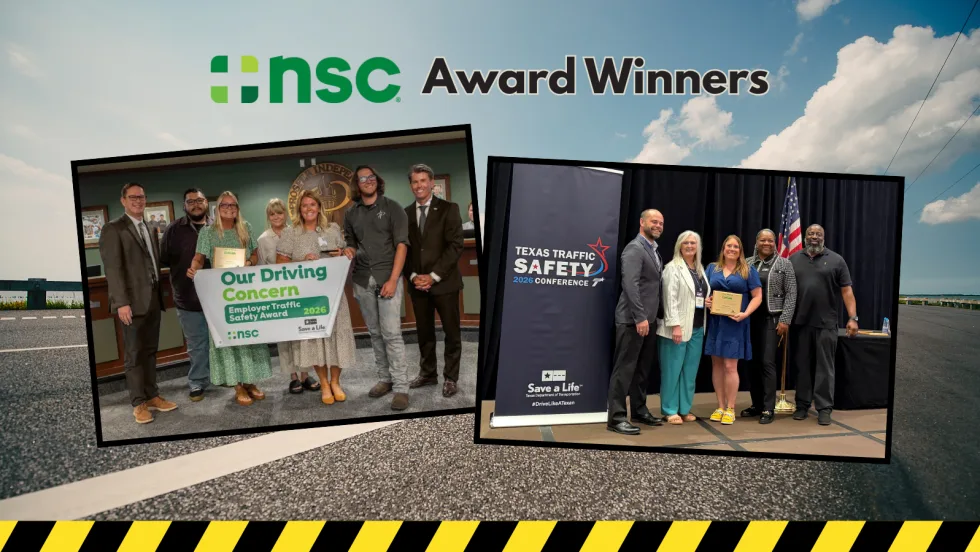
How Two Texas Districts Built Award-Winning Safety Programs
Learn how Prosper ISD and Rockwall ISD earned National Safety Council honors through hands-on training, safety culture, and strategies that reduced transportation incidents.
Read More →
NHTSA Releases 10-Year Review of Fatal School Bus Crashes
The latest federal analysis reinforces the safety of school buses while identifying where school-age pedestrians and other motorists remain most at risk.
Read More →