




School nurses provide key special-needs training
By Penny Overgaard and Cathy Raible Advancements in neonatal care have allowed more children with complex medical needs to live longer, healthier ...

By Penny Overgaard and Cathy Raible Advancements in neonatal care have allowed more children with complex medical needs to live longer, healthier lives.
In years past, when these children reached school age, they would have been placed on “homebound” care or in a “special school.” However, as the number of special-needs students increases, combined with current state and federal mandates, these students are now routinely entering public schools.
Training of school staff to provide services for these students has become an important part of the school nurse’s role. This may include teaching student aides, teachers and bus drivers how to provide basic emergency care and how to recognize when a registered nurse is needed.
Prior to the student attending school, parents, the school nurse and the principal can determine the most appropriate setting for the student, but it is the responsibility of the nurse to write the individualized health care plan and emergency care plan with input from the parent and medical provider. If the student is in special education, the individualized education plan team will determine the most appropriate educational placement and level of nursing care required to meet the student’s needs.
Mesa (Ariz.) Public Schools (MPS) is the largest school district in Arizona, serving more than 73,000 students. There are currently 21 students in the district with tracheostomies. Students with special needs are transported over many miles to attend a variety of programs that meet their educational needs.
In Arizona, parents can delegate procedures to and train paraprofessionals after a physician’s authorization is obtained. If the student requires one-to-one nursing, an agency is usually contracted to provide these services. When one-to-one nursing care is not indicated, in-service education of school paraprofessionals is critical.
As more medically fragile children are entering the school system today, it is important to train support personnel in emergency procedures. School personnel are the eyes and ears of the school nurse and are necessary to ensure the safety of the student with special medical needs during the school day. The school nurse is the most qualified person to supervise, train and monitor the paraprofessional staff.
Hands-on training
In August 2007, a special medical needs training class was offered in the Mesa school district. A collaborative effort between Phoenix Children’s Hospital and MPS nurses, the class was designed specifically for transportation monitors, bus drivers and health assistants. More than 60 participants attended the four-hour session, which was held a few days before the school year began and was well-received.
Lecture topics included tracheostomy emergencies, suctioning, use of a manual resuscitator bag, grand mal seizure precautions, dislodgement of gastrostomy buttons, emergency care of central lines and confidentiality. The curriculum was designed to include several methods suited to adult learning; lecture, visual and written materials and group discussion were utilized.
Hands-on practice was an important part of the class and was accomplished by setting up several practice stations manned by MPS nurses. Each station covered a different skill set, and paraprofessional staff could review equipment, practice student care, gain familiarity with actual medical products and ask questions.
Check-off sheets were utilized as participants rotated around the room. The nurse facilitators were able to address fears and offer emergency scenarios in these small group rotations.
Although this class was not intended to replace the individual parent and school nurse training, it provided the basis for a general understanding of the needs of students with chronic medical conditions.
The class specifically addressed what kinds of problems need immediate intervention and the importance of understanding the role of paraprofessional staff during an emergency situation. Transportation personnel learned who to call in an emergency and what their role would be. Supervisory staff noted some areas for improvement, especially when a substitute driver would be on a given route.
Planning care
Delegation and training requires some thoughtful considerations on the part of the school nurse and school district supervisors. The following appointments should be addressed when planning paraprofessional training for an individual student:
Who should be trained to care for a student with special medical needs? (Possibilities include the student’s teacher, classroom assistants, bus monitors, bus drivers, playground attendants and office staff.)
What equipment is necessary and where is the equipment located?
Does specific equipment need to be with the student at all times? Who will be responsible for equipment maintenance? Is there a plan if equipment is lost or left at home?
How often does paraprofessional staff need to be retrained?
Have the appropriate orders been received from the student’s medical provider?
Cathy Raible, RN, M.Ed., is the demonstration nurse for Mesa (Ariz.) Public Schools. She has been a school nurse for 16 years, most of which has been spent in special education. She also teaches school nursing classes at Gateway Community College. Raible is the owner of Hands On Learning, a company that manufactures the Nickie Special Medical Needs Training Doll. She can be reached through her Website at www.hands-on-learning.com. Penny Morgan Overgaard, RN, BA, has worked at Phoenix Children’s Hospital since 1986. She is currently the manager of the Trach & Airway Program. In addition, Overgaard is the editor of Health Education Matters, a newsletter produced by the Health Care Education Association. She has written more than 25 articles on topics such as patient education, trach and airway care, and caring for the medically fragile child in the community. She is also a frequent speaker on these topics.
More Special Needs Transportation
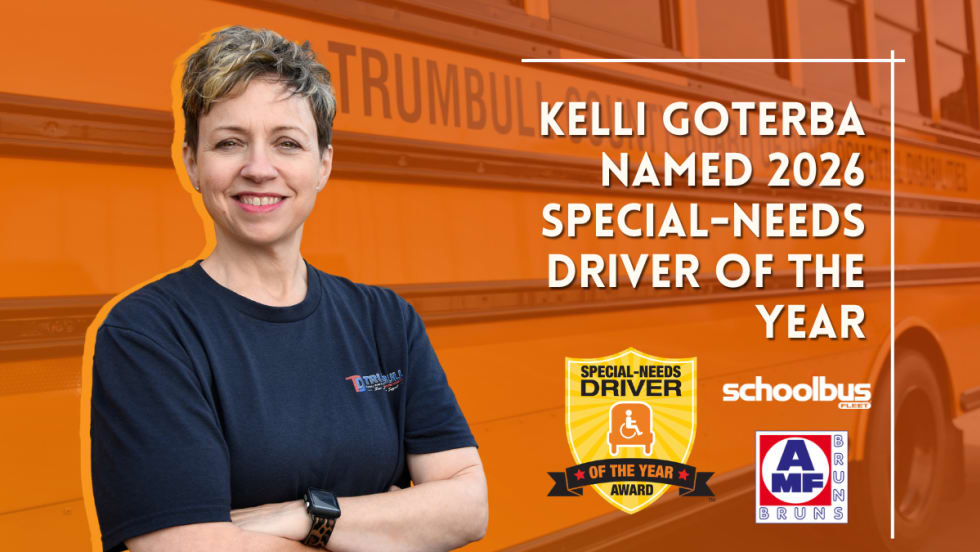
Kelli Goterba Named 2026 Special-Needs School Bus Driver of the Year
Through building trust with students and strengthening her transportation team, Goterba exemplifies the impact special-needs drivers can make.
Read More →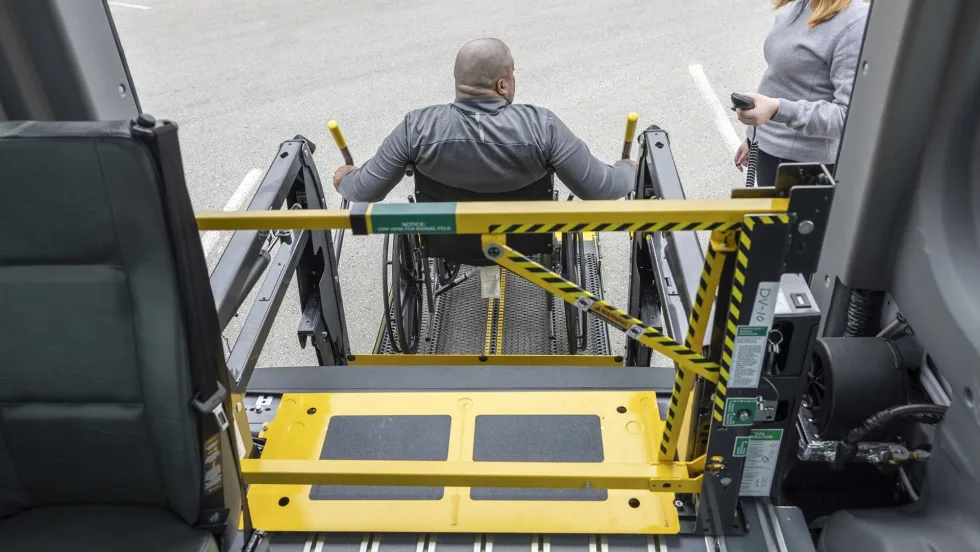
BraunAbility Introduces New Safety Barrier for Wheelchair Lifts
LiftSentinel is designed to add another layer of protection during wheelchair loading and unloading and can be retrofitted to many existing commercial lift installations.
Read More →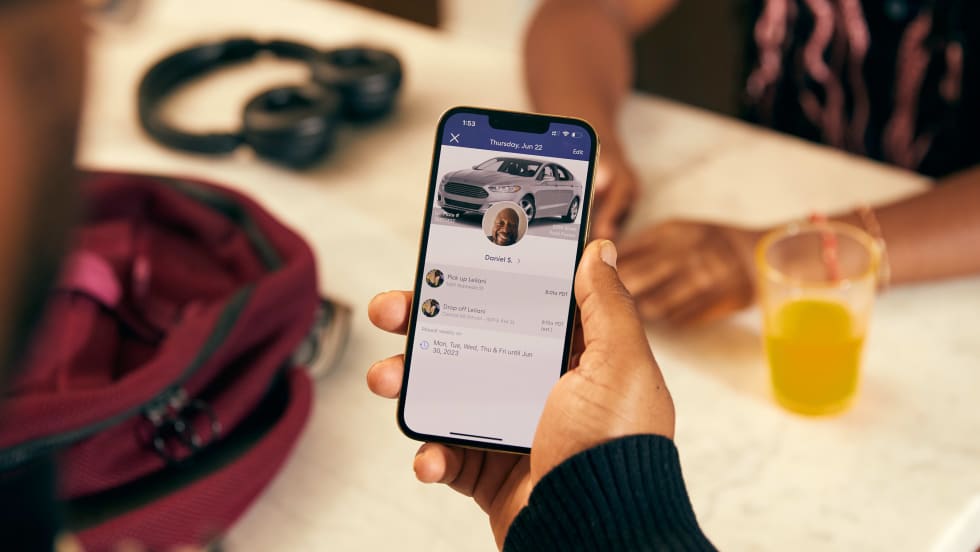
HopSkipDrive Launches New Safety, Driver Consistency Features for 2026-27 School Year
The company’s free ride recording, live ride tracking, and consistent driver assignments aim to improve safety and continuity for diverse student transportation needs.
Read More →
The Most Common Wheelchair Securement Mistakes on School Buses (and How to Fix Them)
Small missteps in wheelchair securement can have serious consequences. Here are 32 tips from experts to reduce risk and increase student safety on the bus.
Read More →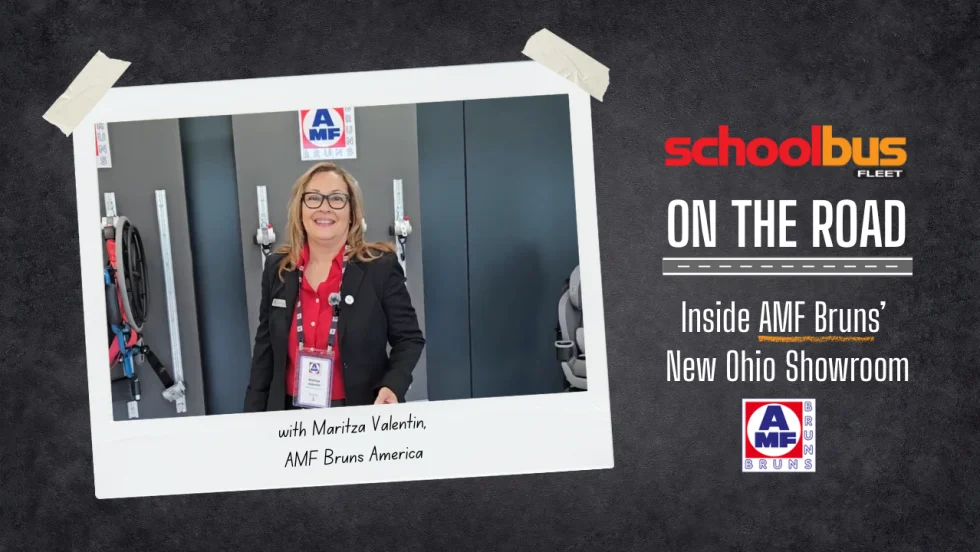
Inside AMF Bruns’ New Showroom: School Bus Securement Solutions Explained
Go inside AMF Bruns America’s new Ohio showroom with Maritza Valentin to see its FutureSafe technology, driver training tools, securement systems, and seating innovations.
Read More →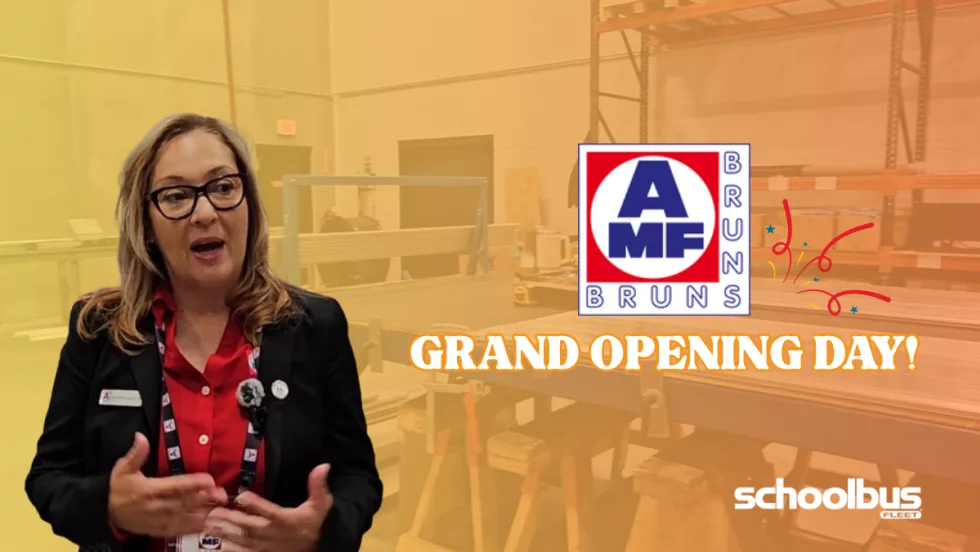
What AMF Bruns’ New Facility Means for Customers [Video]
Inside AMF Bruns’ new Stow, Ohio, operations: See how expanded space and innovation will enhance customer support and operations.
Read More →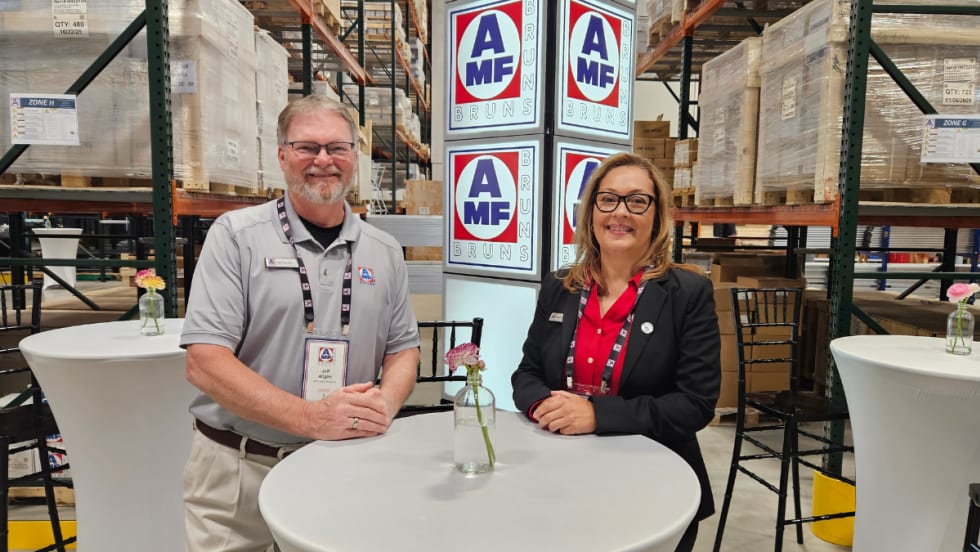
AMF Bruns Expands in Ohio, Investing in Growth and Community
With expanded production space, local investment, and a growing workforce, AMF Bruns is scaling its U.S. presence. Here’s an exclusive first look inside the new Stow, Ohio, HQ.
Read More →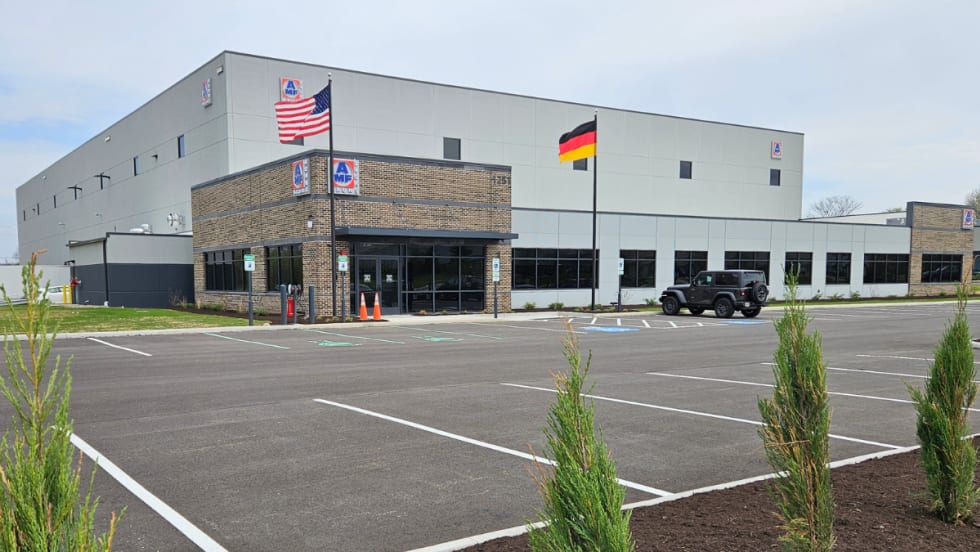
Inside AMF Bruns of America’s New Ohio Manufacturing Facility [Photos]
Take a behind-the-scenes look at AMF Bruns of America’s new 41,000-square-foot Stow, Ohio, headquarters, featuring advanced manufacturing, expanded space, and future-ready mobility solutions.
Read More →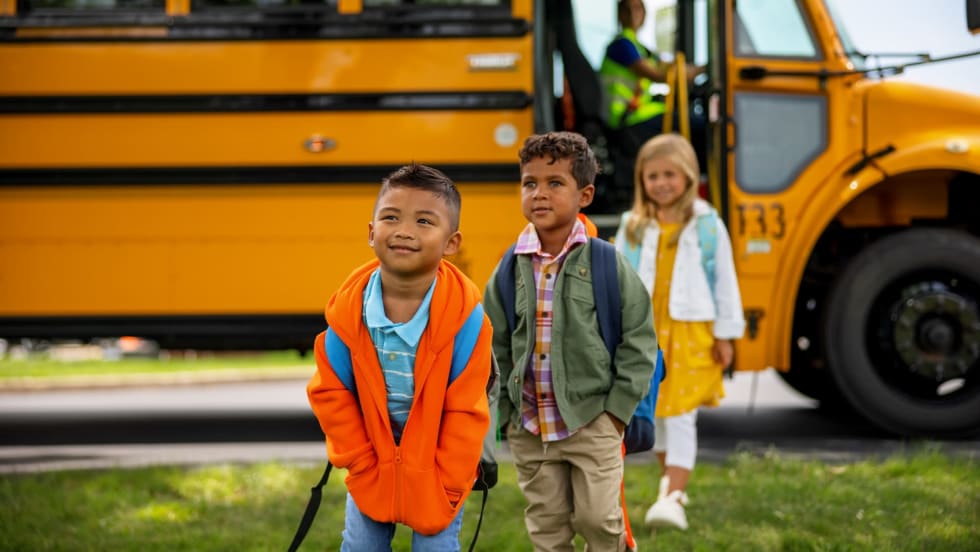
First Student Boosts Student Support in Wichita & Texas
First Student and Wichita Public Schools are using behavioral support strategies to improve student ride experiences, while a separate initiative expands access to after-school programs through a bus donation.
Read More →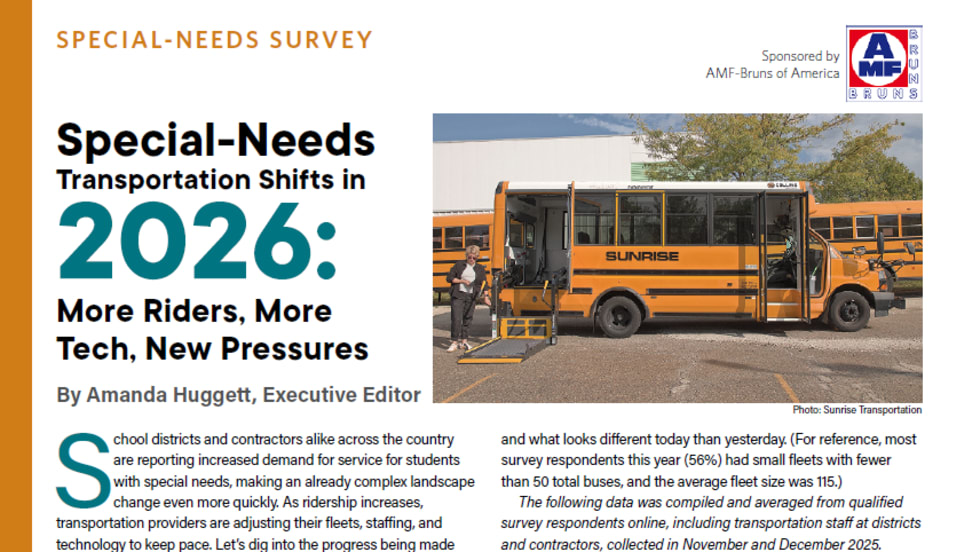
2026 Special-Needs Transportation Survey
What’s changing in special-needs transportation? This year, student transportation operators report a rising need, easing driver shortages, growing tech adoption, and evolving challenges. Sponsored by AMF Bruns of America.
Read More →