




School district to bring back busing as pilot program
After a 9-year-old girl was fatally struck by a pickup truck while walking home in December, parents petitioned the Etiwanda (Calif.) School District to bring back school bus service. The school board decides to implement a pilot transportation program for students who live at least 3 miles from school.

ETIWANDA, Calif. — Following the death of a 9-year-old girl walking home from school — and petitions by parents to bring back bus service — the Etiwanda School District will launch a pilot transportation program next month.
The district discontinued regular-education school bus service in the 2010-11 school year due to budgetary issues.
On Dec. 4 of last year, 9-year-old Ashlyn Gardner and her 7-year-old brother Landon were crossing a street near their school when they were struck by a pickup truck. Ashlyn was killed.
After the accident, local parents started two online petitions calling for the return of school bus service.
"Taking away the buses has resulted in chaotic traffic conditions daily at [Etiwanda] Colony [Elementary] and Summit [Intermediate] schools," Tressy Capps' petition at MoveOn.org says. "Our kids' safety must come first!"
Shelly Berglund's petition at Change.org cites a need to "relieve the congestion and bring buses back to our schools."
To date, a combined total of more than 1,200 people have signed the petitions.
On Jan. 16, the Etiwanda School District's board of trustees decided to bring regular-ed transportation back — to an extent. The board opted to implement a pilot transportation program for students who live at least 3 miles from their elementary or middle school of residence.
In the program, described as a "shared cost model," parents will pay $40 per month per student, with the district contributing the remaining cost. Some students may qualify for free or reduced-cost transportation based on family income.
(Special-education transportation service will continue to be provided free of charge.)
The pilot program will run from March 25 to May 22. Etiwanda Superintendent Shawn Judson said in a letter to parents that the initiative offers "several positive outcomes" for the district.
"It allows the district to use excess seats for regular-education students on some current special-education bus routes and to recover revenue for those seats," Judson said. "The program also has the potential to reduce congestion around these schools and reduce commute times for parents/guardians who drive their children to/from school."
At the end of this school year, the board of trustees will evaluate the feasibility of continuing the program in 2014-15.
"If sufficient numbers of parents/guardians choose to use this new shared cost transportation program, it may be a viable service to continue into the future," Judson said.
However, the pilot program idea didn't appear to appease some parents. The petition at MoveOn.org has continued to gain more supporters.
"I tried to sign up for the pilot transportation program, and I was told that I didn't qualify because I'm not on the 3 miles distance," parent Wendy Juarez wrote on the petition page on Friday. "I was told that I'm 2.7 to 2.8 distance. I think this is ridiculous and the district needs to change the qualifications."
More Safety

How to Build a Better School Bus Driver Training Program
Is it time to strengthen your driver training? Here’s how to pick the right talent and improve recruitment, retention, and safety. This video is brought to you by IC Bus.
Read More →
Recent School Bus Accidents Leave 2 Dead, 2 Injured
Four school bus crashes in Florida, Illinois, and Georgia highlight risks in transportation lots, at bus stops, and during student loading and unloading.
Read More →
When Every Second Matters, Clarity Keeps Routes Moving
From routine delays to urgent incidents, strong communication practices help drivers, dispatchers, schools, and families respond with confidence.
Read More →

What Happens When a School Bus Catches Fire — and What Can Help
School bus fires are rare but can be devastating. Learn how advances in fire suppression and asset protection help fleets detect fires earlier, reduce damage, and improve safety.
Read More →
Geotab Launches Tool to Help Fleets Investigate Road Incidents
Geotab Investigations combines telematics data, video, documents, and other evidence to help fleets reconstruct incidents, resolve claims, and determine what happened.
Read More →
Texas Sixth Grader Wins 2026 National School Bus Safety Poster Contest
Sai Darshana Yekolu of Moseley Middle School in Prosper, Texas, was named the newest winner for her artwork, bringing the theme of “Safe Rides, Everyday Heroes” to life.
Read More →
Doing More With Less: How Transportation Directors Can Prioritize Safety Amid Budget Uncertainty
With diesel prices soaring and nearly one-third of transportation directors expecting budget cuts, maintaining student safety has never been more challenging. Download this guide to learn how leading districts are prioritizing risk, funding critical safety technology, and building stronger budget cases with data.
Read More →
Walton County Schools Adds Gatekeeper Stop-Arm Enforcement System
The Florida district will deploy Gatekeeper’s updated Student Protector technology, which now incorporates AI to improve video evidence.
Read More →
How To Build a More Secure School Bus Yard During and After Hours
As thefts and overnight security threats continue, school transportation leaders are combining stronger operational practices with AI-enabled surveillance to better protect buses, facilities, and staff.
Read More →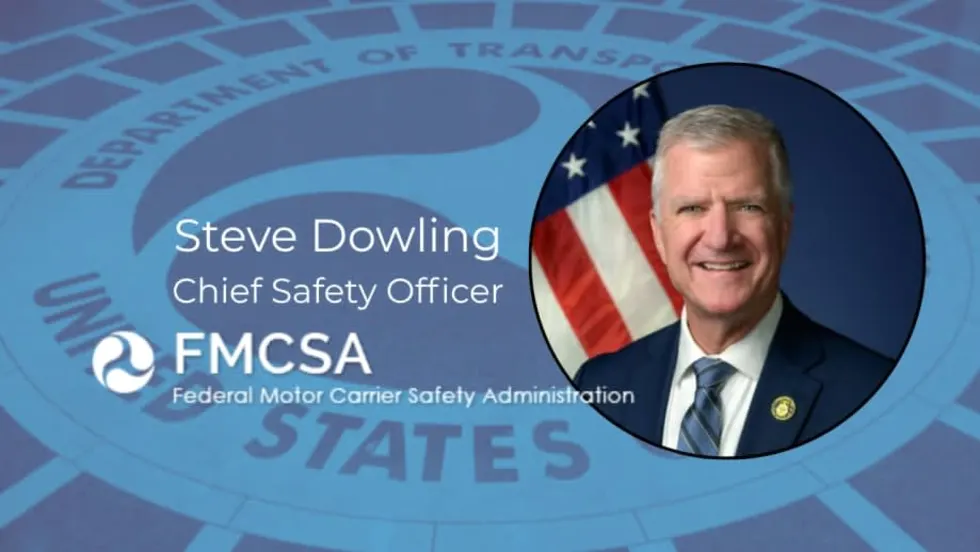
FMCSA Names New Chief Safety Officer: What School Bus Operators Should Know
Steve Dowling is set to lead the federal agency's efforts to advance commercial motor vehicle safety and reduce crashes, fatalities, and injuries on the nation's roadways.
Read More →