




School bus operations report benefits of biodiesel
The National Biodiesel Board says that operations across the country are running their buses on the fuel and are seeing a reduction in operating costs, strong fuel performance and environmental benefits....


Medford Township (N.J.) Public Schools has been running its buses on B20 biodiesel since 1997.
JEFFERSON CITY, Mo. — Numerous school bus operations around the country are reaping the benefits of powering their buses with biodiesel, according to the National Biodiesel Board (NBB).
Hays (Kan.) Unified School District 489 is one such operation. NBB reported that the district was the first in the state to switch to a biodiesel blend in its 35 buses in 2003. Since then, other Kansas districts have followed suit, and the Kansas State Pupil Transportation Association has demonstrated support for the fuel as well. In June, the association hosted its annual summer symposium and school bus driver safety competition — the buses used in the competition were powered with B20 biodiesel.
Medford Township (N.J.) Public Schools began running its buses on B20 biodiesel in 1997. Joe Biluck, director of operations and technology for the district, said that the fuel has performed well, even in temperatures as low as 11 degrees below zero.
The district has reportedly consumed more than 615,000 gallons of B20 and reduced the overall cost of its fleet operations by $80,000 over 10 years.
Schoolchildren in the Chicago area have ridden biodiesel-powered school buses since 2005. School bus company Cook-Illinois Corp. operates more than 2,000 buses in the area and views biodiesel as a “win-win situation.”
“Students and parents rely on us every day to get their children to and from school safely,” said John Benish Jr., chief operating officer of Cook-Illinois Corp. “Our feeling is why not use a fuel that's better for the environment, better for the students and helps Illinois farmers?”
Finally, The Potomac School in Arlington, Va., uses a biodiesel blend in its 39 buses and in its maintenance equipment. Shop Foreman Dwaine Cunningham said that the fuel’s lubricating qualities have protected the vehicles' injectors.
Biodiesel’s benefits include a reduction in particulate matter, carbon monoxide and unburned hydrocarbons, which contribute to the formation of smog. Biodiesel emissions also reduce potential cancer-causing compounds by 80 to 90 percent, according to NBB.
Moreover, biodiesel is nontoxic and biodegradable, and the fuel is compatible with any diesel engine, requiring few or no modifications.
More Alternative Fuels

CALSTART and Forth Combine to Form Catalyst Mobility
The new name represents a renewed vision for the nonprofit focused on advancing clean, equitable, and affordable transportation solutions that move people and goods.
Read More →
Alt-Fuel Moves: New Buses, Charging Hubs & Real-World EV Testing
Propane and electric school bus deployments continue to grow as districts add new vehicles, expand charging infrastructure, and gather more real-world operating data.
Read More →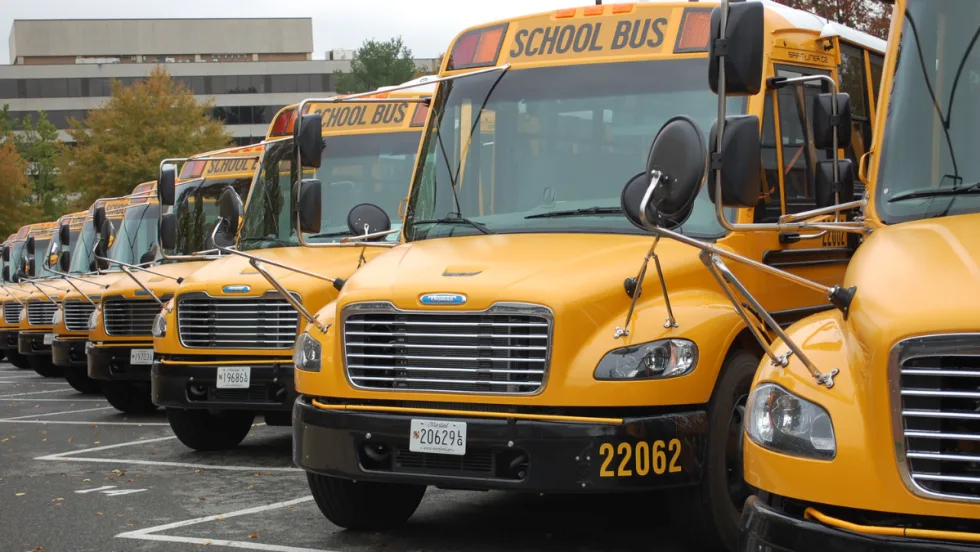
Fewer Electric School Bus Models Reshape the U.S. Market
WRI’s latest buyer’s guide points to a consolidating electric school bus market, but fewer options may reflect a maturing industry rather than fewer meaningful choices for school bus operators.
Read More →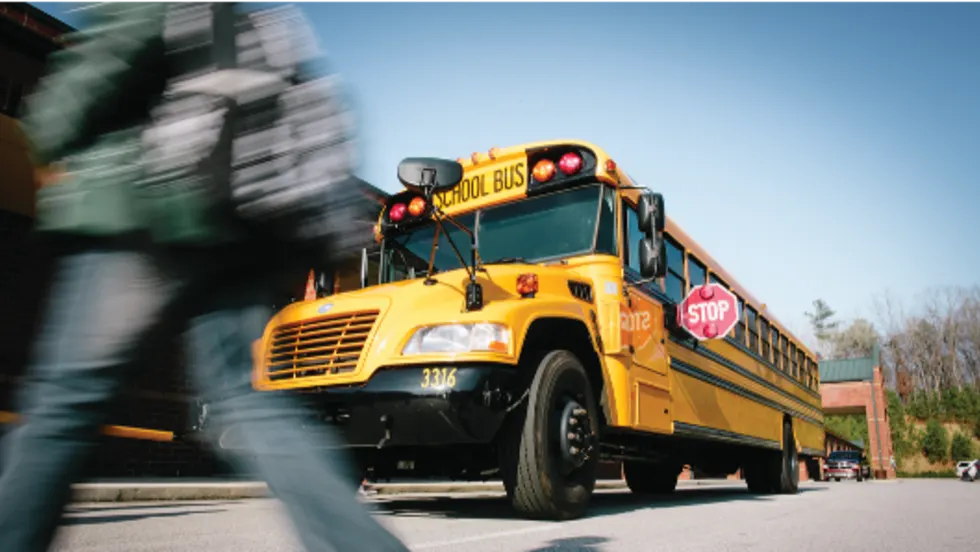
The Fuel Budget You Can Actually Predict: How Propane Autogas Keeps Money in the Classroom
Learn how propane autogas helps school districts manage fuel costs with predictable pricing, lower maintenance, and reduced emissions from former transportation director Joel Stutheit.
Read More →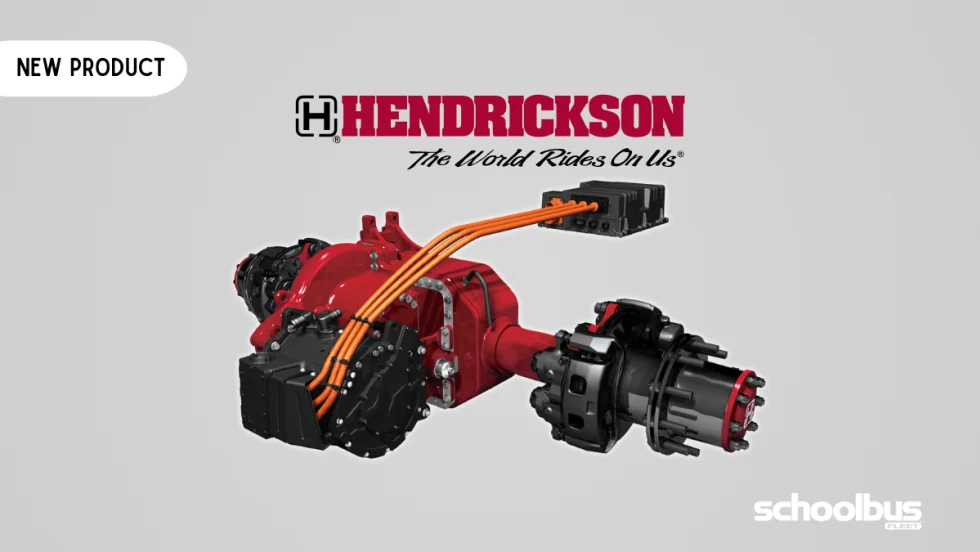
Hendrickson, Driventic Introduce New Electric Powertrain for School Buses
ELECTRAAX, the electrified, lightweight drive axle offers integrated ePowertrain efficiency and modular flexibility for Class 6–7 school bus use.
Read More →
The Mobility House Joins PowerFlex in Fleet Electrification Deal
The acquisition combines intelligent charging software, bidirectional charging expertise, and fleet electrification services to support the growing adoption of electric school buses across North America.
Read More →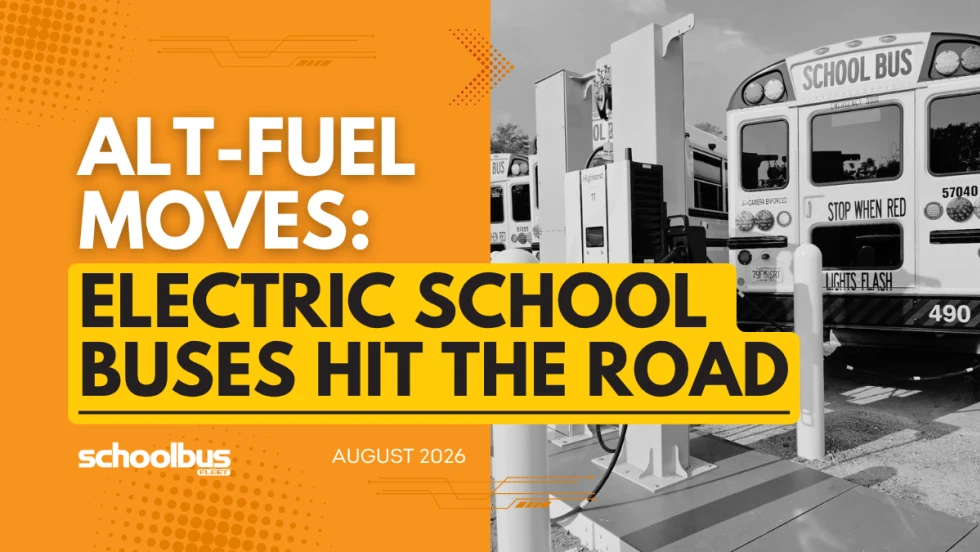
Alt-Fuel Moves: Electric School Bus Investments Hit the Road
See which districts across the U.S. are putting electric school buses into service, expanding charging infrastructure, and planning the next phase of fleet electrification.
Read More →
With Fuel Volatility Ahead, School Districts Turn to Propane
While diesel prices peaked above $5 this spring, districts with propane autogas-powered fleets paid under $2 per gallon, according to PERC.
Read More →
EPA Unveils Proposed Changes to 2027 Heavy-Duty Engine Rules
The federal agency has proposed changes to next year’s targets that would eliminate DEF derates, ease warranty requirements, and retain current NOx emissions standards.
Read More →
Alt-Fuel Moves: EV Charging & Infrastructure Projects Gain Momentum
The latest developments include new funding, charging infrastructure, utility investments, and fleet technologies designed to support the transition to electric school buses nationwide.
Read More →