




SBX Attendees Weigh Pros and Cons of Alt-Fuels, Diesel
Fuel choices, school reform, and the ongoing driver shortage are hot topics at School Bus eXchange 2017.


The roundtables at School Bus eXchange covered a variety of timely topics, one of which was alternative fuels in school transportation. Here, Kevin Kilner (left) of National Express shares his experience with alt-fuels.

The roundtables at School Bus eXchange covered a variety of timely topics, one of which was alternative fuels in school transportation. Here, Kevin Kilner (left) of National Express shares his experience with alt-fuels.
The NCAA Final Four wasn’t the only hot topic in the Phoenix area in early April. Fuel choices, school reform, and the ongoing driver shortage made for spirited discussions at the 2017 edition of School Bus eXchange in Scottsdale, Arizona.
While college basketball fans flocked to the University of Phoenix Stadium for the championship tournament, about 30 school transportation officials and dozens of supplier representatives came to town for the third annual SBX educational networking event, which is held by the National Association for Pupil Transportation and School Bus Fleet.
This year’s SBX took place April 3 to 5 at the Embassy Suites Scottsdale Resort. The agenda included a keynote speech, roundtable discussions, one-on-one meetings, and group presentations.
The roundtables covered a variety of timely topics, one of which was alternative fuels in school transportation. John Gonzales, a senior engineer with the National Renewable Energy Laboratory, facilitated the discussion. He asked attendees to identify the top issues that come into play when analyzing the use of alternative fuels.
Some participants pointed to infrastructure and availability as key factors, including Harry Davis, director of transportation for High Prairie (Alberta) School Division No. 48.
“If I was going to go to an alternative fuel such as propane, are the tanks there to provide the refueling capability?” Davis said. “Onsite, offsite for field trips, whatever the case may be.”
High Prairie School Division is currently operating one propane school bus and is considering whether to acquire more.
“I’m testing it out to make a better decision and seeing what peers are finding out on their units,” Davis said.
Financial factors — bus purchase price, fuel and maintenance costs, availability of grants, etc. — are also top considerations for those looking at alt-fuel buses.
Other factors that roundtable participants cited in the analysis of alternative fuels included training for drivers and mechanics, vehicle reliability, community perception and concerns, potential risks, and the challenges of switching.
Participants also identified several advantages of alt-fuels. That list included:
• Less oil
• Less hardware
• Quieter (“I can hear the kids,” as one director said her drivers have put it)
• Cold starts (“You’re not dealing with auxiliary heaters,” Davis said)
Special-needs expert Linda Bluth served as one of the roundtable moderators at SBX, and she gave a keynote speech in which she discussed U.S. Education Secretary Betsy DeVos, school choice, and potential impacts on pupil transportation.
SBX attendees also covered school bus maintenance and replacement, reasons that drivers leave the job, and the impact of technologies in pupil transportation.
More coverage of the event will appear in the June issue of School Bus Fleet. Meanwhile, check out photo highlights from SBX 2017 here.
In 2018, School Bus eXchange will return to Scottsdale. The fourth edition of the event will be held April 16 to 18 at the Scottsdale Resort at McCormick Ranch.
More Alternative Fuels

CALSTART and Forth Combine to Form Catalyst Mobility
The new name represents a renewed vision for the nonprofit focused on advancing clean, equitable, and affordable transportation solutions that move people and goods.
Read More →
Alt-Fuel Moves: New Buses, Charging Hubs & Real-World EV Testing
Propane and electric school bus deployments continue to grow as districts add new vehicles, expand charging infrastructure, and gather more real-world operating data.
Read More →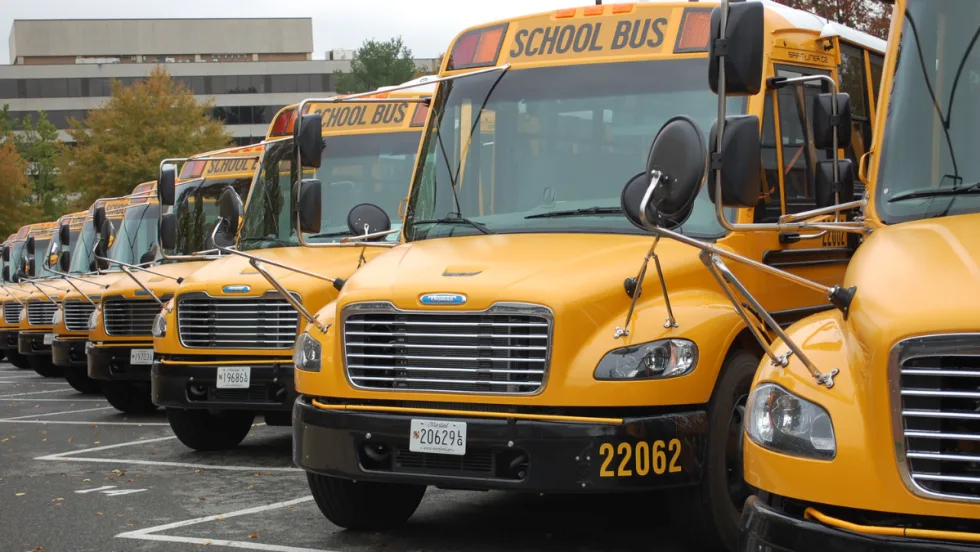
Fewer Electric School Bus Models Reshape the U.S. Market
WRI’s latest buyer’s guide points to a consolidating electric school bus market, but fewer options may reflect a maturing industry rather than fewer meaningful choices for school bus operators.
Read More →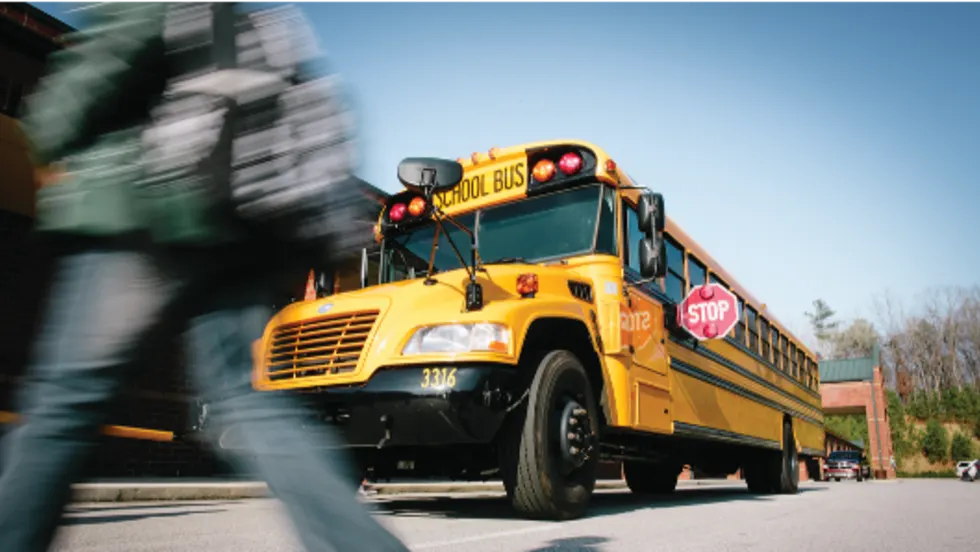
The Fuel Budget You Can Actually Predict: How Propane Autogas Keeps Money in the Classroom
Learn how propane autogas helps school districts manage fuel costs with predictable pricing, lower maintenance, and reduced emissions from former transportation director Joel Stutheit.
Read More →
Hendrickson, Driventic Introduce New Electric Powertrain for School Buses
ELECTRAAX, the electrified, lightweight drive axle offers integrated ePowertrain efficiency and modular flexibility for Class 6–7 school bus use.
Read More →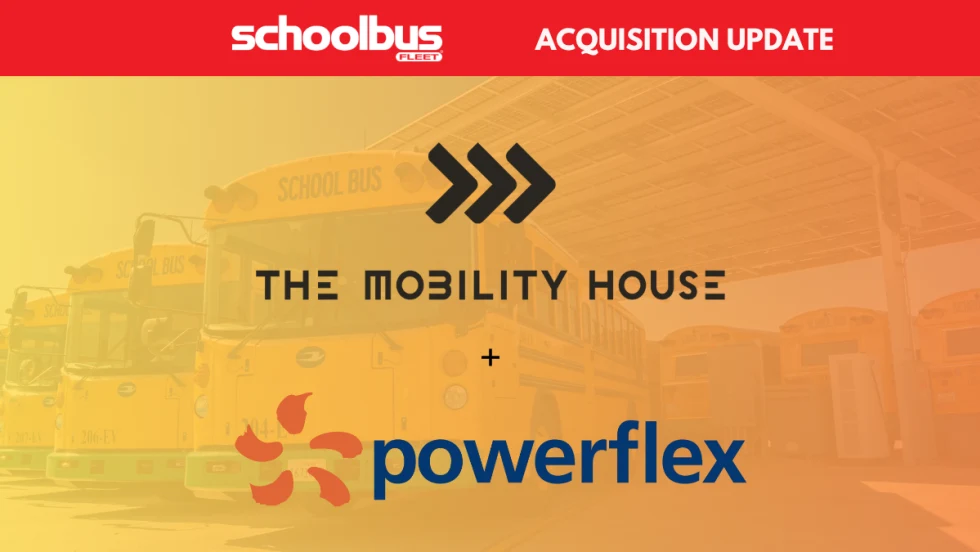
The Mobility House Joins PowerFlex in Fleet Electrification Deal
The acquisition combines intelligent charging software, bidirectional charging expertise, and fleet electrification services to support the growing adoption of electric school buses across North America.
Read More →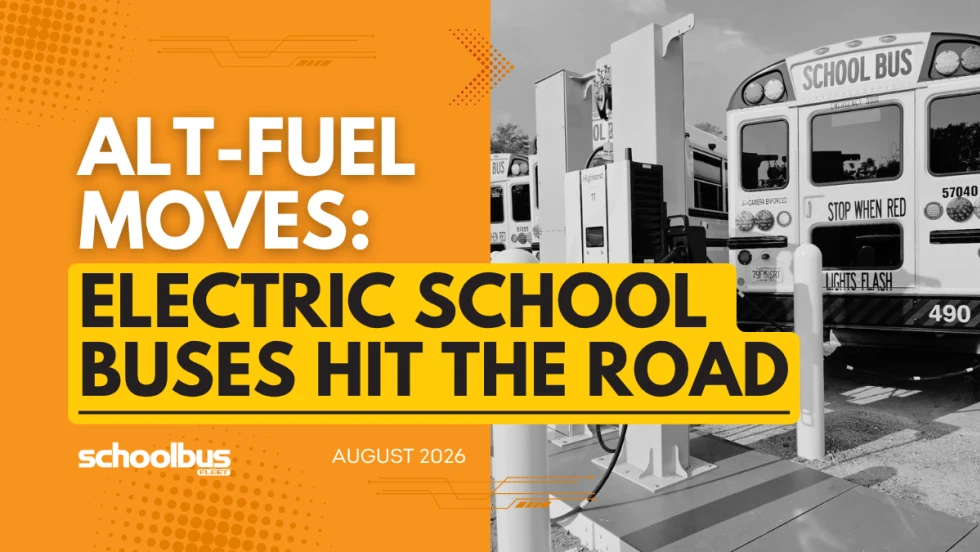
Alt-Fuel Moves: Electric School Bus Investments Hit the Road
See which districts across the U.S. are putting electric school buses into service, expanding charging infrastructure, and planning the next phase of fleet electrification.
Read More →
With Fuel Volatility Ahead, School Districts Turn to Propane
While diesel prices peaked above $5 this spring, districts with propane autogas-powered fleets paid under $2 per gallon, according to PERC.
Read More →
EPA Unveils Proposed Changes to 2027 Heavy-Duty Engine Rules
The federal agency has proposed changes to next year’s targets that would eliminate DEF derates, ease warranty requirements, and retain current NOx emissions standards.
Read More →
Alt-Fuel Moves: EV Charging & Infrastructure Projects Gain Momentum
The latest developments include new funding, charging infrastructure, utility investments, and fleet technologies designed to support the transition to electric school buses nationwide.
Read More →