




Rotary introduces new mobile column lift
The Wireless Mach 4 is free of cords and cables — each column is powered by batteries and communicates with the other columns wirelessly. The lift is available in sets of four or six columns, and each column has a rated lifting capacity of 18,000 lbs.

[IMAGE]367[/IMAGE]
MADISON, Ind. — Rotary Lift is offering a new mobile column lift that can be used in the school bus market: the Wireless Mach 4.
Company officials said that the lift does away with cords and cables, which can get in technicians' way, slow lift setup and are vulnerable to damage that can leave a lift unusable.
Each Wireless Mach 4 column is powered by batteries and communicates with the other columns wirelessly. As a result, technicians no longer have to worry about knocking the lift out of service by running over the cords or getting one hooked on a bumper. The Wireless Mach 4 also reduces trip hazards.
"The lift is a tool that technicians use to get the vehicle into position to do their real job: bus maintenance and repair," explained Doug Spiller, Rotary Lift heavy duty product manager. "Making the lift as fast and easy to use as possible lets technicians get to work more quickly, which improves overall shop productivity and drastically reduces vehicle downtime. Our time and motion studies have shown that Wireless Mach 4 provides a productivity improvement of greater than 30 percent over similar lifts, saving an organization more than $7,600 in labor costs annually."
Technicians using Wireless Mach 4 can make one trip around the lift at the beginning of a shift to turn it on and configure it, and then they can spend the rest of the day concentrating on vehicle maintenance and repair, officials said.
Technicians can operate the entire lift using the patent-pending control panel on any of the columns. The panel features an intuitive graphic layout of the column setup, onboard diagnostics, easy-to-read LEDs and one-touch controls.
Wireless Mach 4 is available in sets of four or six columns. Each column has a rated lifting capacity of 18,000 lbs. and is powered by two deep-cycle marine batteries. Lifting and lowering of all columns is automatically synchronized. Wireless Mach 4 can raise a vehicle 70 inches in 78 seconds. The lift can be used anywhere in the shop — including wash bays — as well as outside.
Wireless Mach 4 lifts are equipped with backup communication cables that can be used in place of the wireless system with the flip of a switch. The wireless system can also be retrofitted to existing Mach 4 mobile column lifts.
Moreover, Wireless Mach 4 has locking mechanisms every 3 inches and a lower-to-lock function. Its easily adjustable forks can handle a wide range of wheels without bulky adapter sleeves. Optional extended forks are available for supporting inboard tires on dual-wheeled axles.
Rotary Lift's Wireless Mach 4 mobile column lift has been third-party tested by ETL and ALI certified to meet ANSI safety and performance standards, according to company officials.
More Maintenance
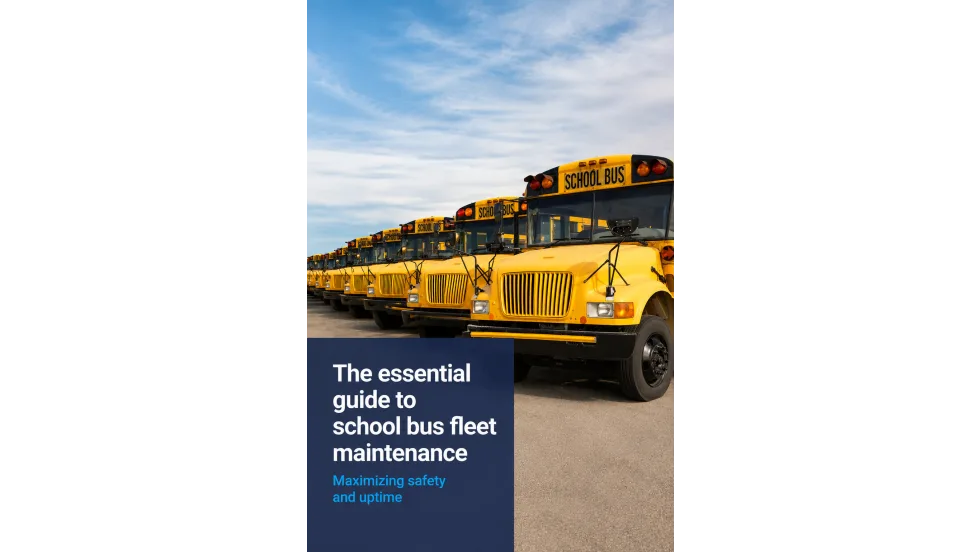
The Essential Guide to School Bus Maintenance and Student Safety
Your district's buses carry students to school every day. This guide shows how predictive maintenance powered by fleet data helps keep buses reliable, drivers accountable and students safer from the first bell to the last stop.
Read More →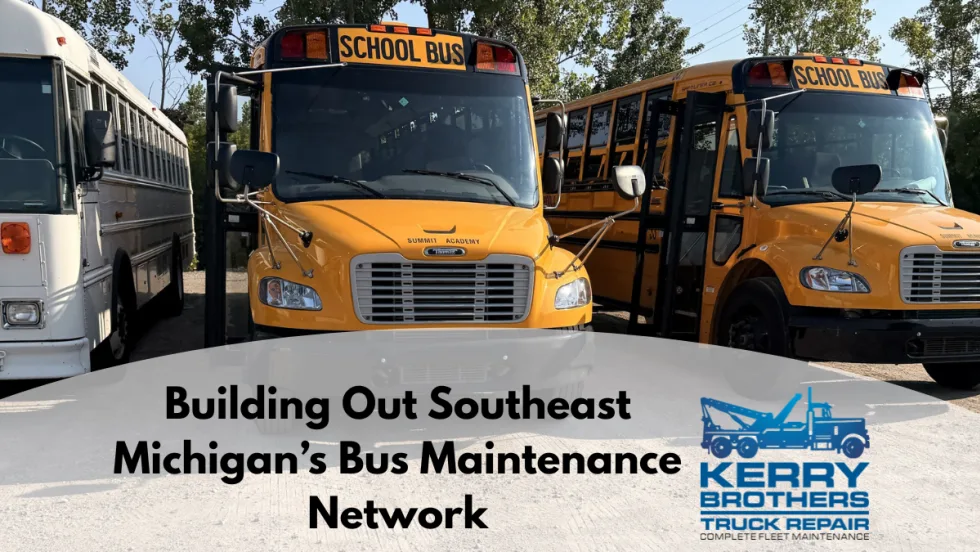
Kerry Brothers Grows Michigan School Bus Repair Network
The acquisition of Downriver Truck and Bus expands Kerry Brothers’ school bus maintenance footprint across southeast Michigan, adding repair capacity, diagnostic resources, and state inspection support.
Read More →
Noregon Introduces CAN Bus Diagnostic Tool, Expands JPRO Features
CAN Mentor and the latest JPRO update aim to simplify vehicle network diagnostics and improve repair efficiency for technicians of all experience levels.
Read More →
Cummins on Smarter, Simpler Engine Innovation
Cummins discusses its first-ever gasoline engine for school buses, EPA 2027, and why bus fleets still want durable, simpler internal combustion options.
Read More →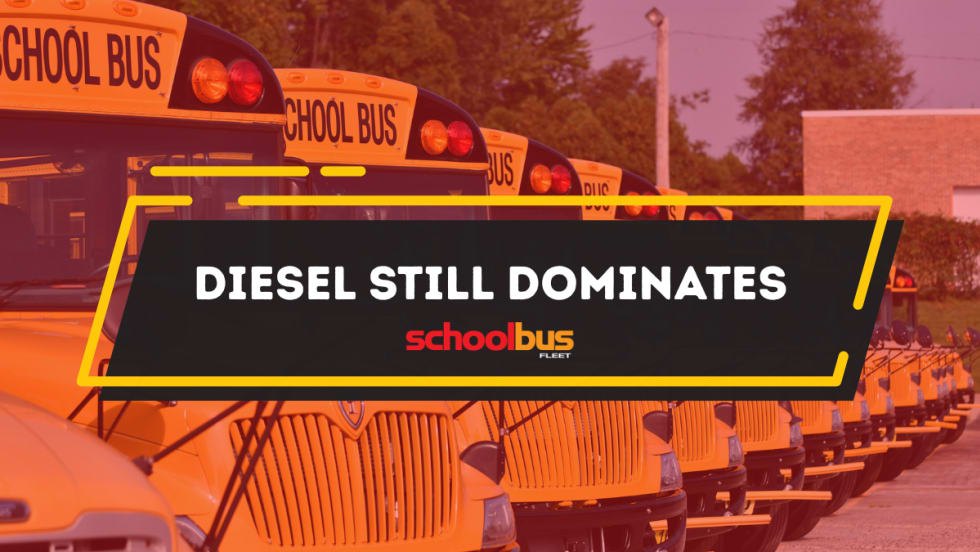
Report: 72% of Diesel School Buses Now Use Advanced Low-Emission Engines
New data shows advanced low-emission diesel technology continues expanding across school bus fleets, even as electric bus adoption gains momentum.
Read More →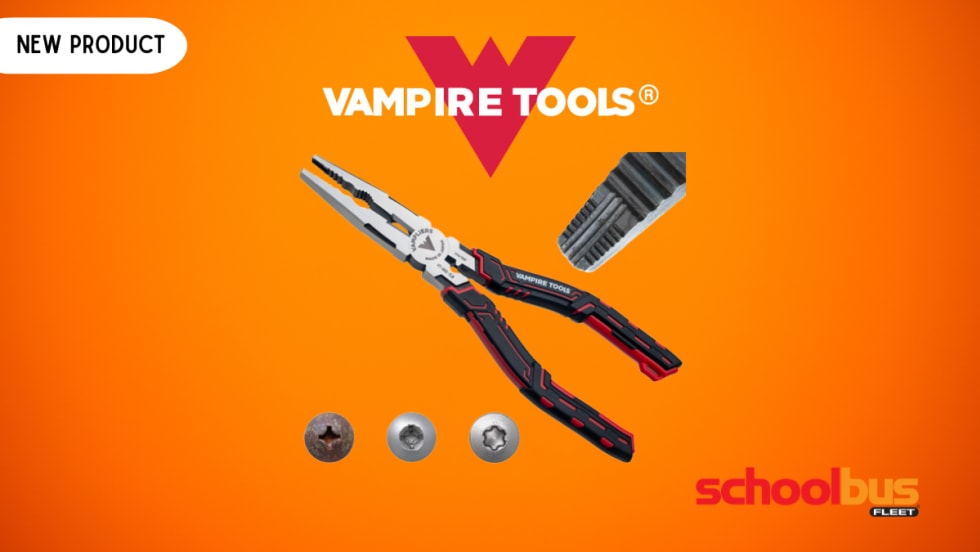
Vampire Tools' CAIMAN 7.5-Inch Multi-Purpose Screw Extractor Long-Nose Pliers with Crimper
Vampire Tools introduced the VAMPLIERS Caiman 7.5-inch multi-purpose pliers, combining screw extraction, cutting, crimping, and gripping functions into a single tool designed for fleet maintenance professionals.
Read More →
How Advanced Diagnostics Helps Bus Fleets Stay Ahead of Repairs
Chat with Noregon’s Kevin Smallhorn at ACT Expo about bus diagnostic tools, telematics integration, CNG maintenance support, and strategies to help reduce downtime and improve uptime.
Read More →
How School Bus Fleets are Getting Ahead of Breakdowns
Don’t let bus downtime wear you down. Here’s how bus operators are shifting from manual processes to AI-powered, data-driven maintenance systems for improved reliability and safety.
Read More →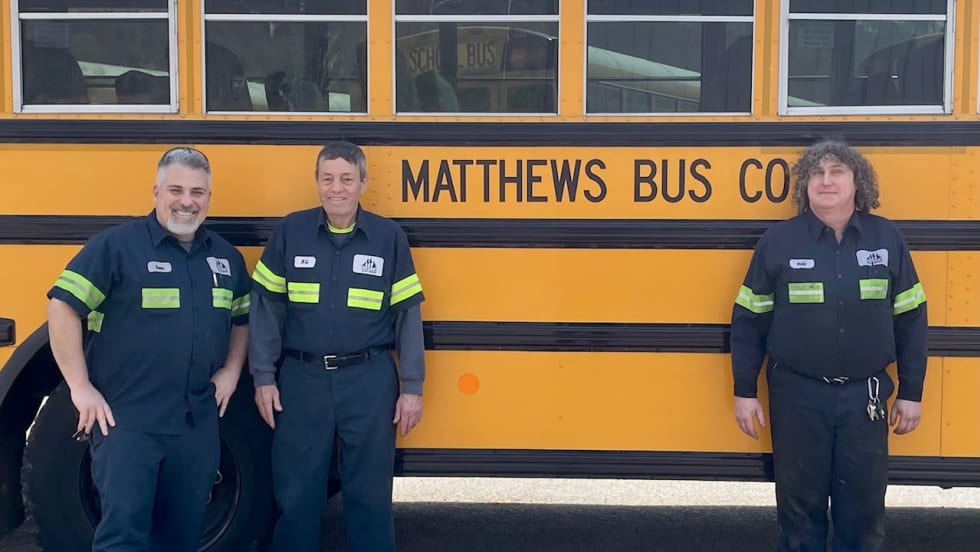
Pennsylvania School Bus Maintenance Team Praised for Dedication to Safety
Matthews Bus Company’s West Jefferson received a letter of commendation from the Pennsylvania State Police for their fleet inspections.
Read More →
From Chaos to Clarity: How School Districts Are Running Leaner Transportation Operations
Covering 38 routes on a Friday afternoon. Buses idling while routes overlap. Parents calling nonstop about late arrivals. Sound familiar? This whitepaper explores how district transportation leaders solved these exact problems — and what measurable results followed.
Read More →