




Report: traffic fatalities in 2010 hit record-breaking low
Updated data released by the National Highway Traffic Safety Administration indicate that highway deaths fell to 32,885 last year — the lowest level since 1949. Among other key findings in the report are that fatalities declined in most categories in 2010, and the agency also details its new measure of fatalities related to distracted driving, called “distraction-affected crashes.”

WASHINGTON, D.C. — According to updated 2010 fatality and injury data released by the National Highway Traffic Safety Administration (NHTSA), highway deaths are at the lowest level since 1949.
Highway deaths fell to 32,885 for the year. The record-breaking decline in traffic fatalities occurred even as American drivers traveled nearly 46 billion more miles during the year, an increase of 1.6 percent over the 2009 level.
The updated information indicates that 2010 also saw the lowest fatality rate ever recorded, with 1.10 deaths per 100 million vehicle miles traveled, down from 1.15 deaths per 100 million vehicle miles traveled in 2009.
“While we have more work to do to continue to protect American motorists, these numbers show we’re making historic progress when it comes to improving safety on our nation’s roadways,” U.S. Transportation Secretary Ray LaHood said. “Thanks to the tireless work of our safety agencies and partner organizations over the past few decades, to save lives and reduce injuries, we’re saving lives, reducing injuries and building the foundation for what we hope will be even greater success in the future.”
Among other key findings in the report are that fatalities declined in most categories in 2010, including for occupants of passenger cars and light trucks (including SUVs, minivans and pickups).
Deaths in crashes involving drunk drivers dropped 4.9 percent in 2010, taking 10,228 lives compared to 10,759 in 2009.
However, fatalities rose among pedestrians, motorcycle riders and large truck occupants.
NHTSA also unveiled a new measure of fatalities related to distracted driving, called “distraction-affected crashes.” Introduced for 2010 as part of a broader effort by the agency to refine its data collection to get better information about the role of distraction in crashes, the measure is designed to focus more narrowly on crashes in which a driver was most likely to have been distracted.
While NHTSA’s Fatality Analysis Reporting System previously recorded a broad range of potential distractions, such as careless driving and cell phone present in the vehicle, the new measure focuses on distractions that are most likely to affect crash involvement, such as distraction by dialing a cell phone or texting, and distraction by an outside person or event. New data released by NHTSA using its refined methodology show an estimated 3,092 fatalities in distraction-affected crashes in 2010.
“Even as we celebrate the incredible gains we’re making in reducing traffic fatalities, we recognize our responsibility to improve our understanding of the dangers that continue to threaten drivers and passengers,” NHTSA Administrator David Strickland said. “That’s why, under the leadership of Secretary LaHood, NHTSA is working to refine the way we collect data on distracted driving and laying the groundwork for additional research to capture real-world information on this risky behavior.”
While the explicit change in methodology means the new measure cannot be compared to the 5,474 distraction-related fatalities reported in 2009, other NHTSA data offer some indication that driver distraction continues to be a significant problem.
The agency’s nationwide observational survey of drivers in traffic remains unchanged between 2009 and 2010, with 5 percent of drivers seen talking on hand-held phones. In addition, given ongoing challenges in capturing the scope of the problem — including individuals’ reluctance to admit behavior, lack of witnesses and in some cases, the death of the driver — NHTSA believes the actual number of crashes that involve distracted driving could be higher.
A new national NHTSA survey offers insights into how drivers behave when it comes to texting and cell phone use while behind the wheel, and their perceptions of the safety risks of distracted driving. Survey respondents indicated that they answer calls on most trips, they acknowledge few driving situations when they would not use the phone or text, but they feel unsafe when riding in vehicles in which the driver is texting, and they support bans on texting and cell phone use.
As part of its commitment to reduce distracted driving, NHTSA is continuing to look for effective data sources. The agency is working to optimize information from crash reports by improving reporting forms and officer training.
In addition, officials said NHTSA will analyze new data on driver distraction from a new naturalistic study in which about 2,000 cars will be fitted with cameras and other equipment that will record driver behavior over a period of two years. Researchers will be able to use these data to associate driver behaviors with crash involvement.
Data from the study will be available in 2014, according to the agency.
More Safety

How to Build a Better School Bus Driver Training Program
Is it time to strengthen your driver training? Here’s how to pick the right talent and improve recruitment, retention, and safety. This video is brought to you by IC Bus.
Read More →
Recent School Bus Accidents Leave 2 Dead, 2 Injured
Four school bus crashes in Florida, Illinois, and Georgia highlight risks in transportation lots, at bus stops, and during student loading and unloading.
Read More →
When Every Second Matters, Clarity Keeps Routes Moving
From routine delays to urgent incidents, strong communication practices help drivers, dispatchers, schools, and families respond with confidence.
Read More →

What Happens When a School Bus Catches Fire — and What Can Help
School bus fires are rare but can be devastating. Learn how advances in fire suppression and asset protection help fleets detect fires earlier, reduce damage, and improve safety.
Read More →
Geotab Launches Tool to Help Fleets Investigate Road Incidents
Geotab Investigations combines telematics data, video, documents, and other evidence to help fleets reconstruct incidents, resolve claims, and determine what happened.
Read More →
Texas Sixth Grader Wins 2026 National School Bus Safety Poster Contest
Sai Darshana Yekolu of Moseley Middle School in Prosper, Texas, was named the newest winner for her artwork, bringing the theme of “Safe Rides, Everyday Heroes” to life.
Read More →
Doing More With Less: How Transportation Directors Can Prioritize Safety Amid Budget Uncertainty
With diesel prices soaring and nearly one-third of transportation directors expecting budget cuts, maintaining student safety has never been more challenging. Download this guide to learn how leading districts are prioritizing risk, funding critical safety technology, and building stronger budget cases with data.
Read More →
Walton County Schools Adds Gatekeeper Stop-Arm Enforcement System
The Florida district will deploy Gatekeeper’s updated Student Protector technology, which now incorporates AI to improve video evidence.
Read More →
How To Build a More Secure School Bus Yard During and After Hours
As thefts and overnight security threats continue, school transportation leaders are combining stronger operational practices with AI-enabled surveillance to better protect buses, facilities, and staff.
Read More →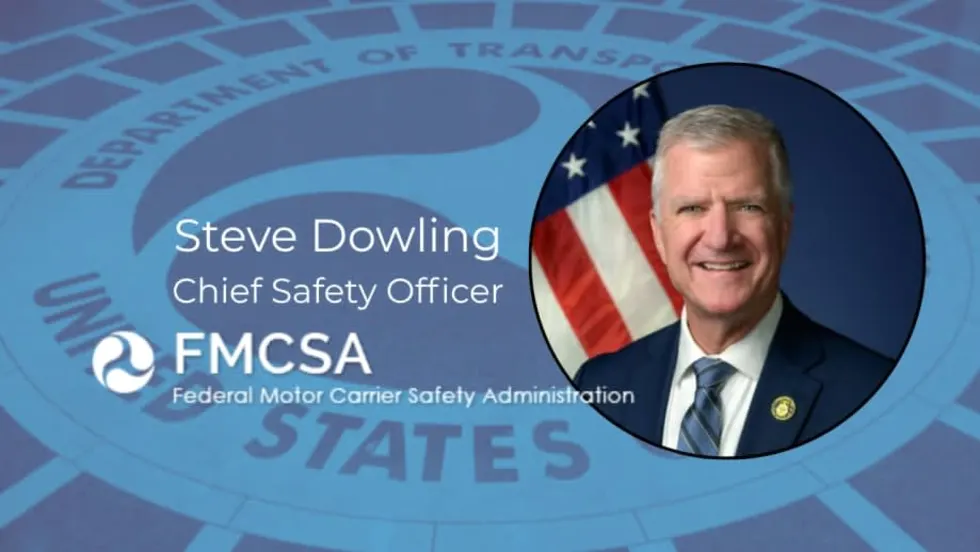
FMCSA Names New Chief Safety Officer: What School Bus Operators Should Know
Steve Dowling is set to lead the federal agency's efforts to advance commercial motor vehicle safety and reduce crashes, fatalities, and injuries on the nation's roadways.
Read More →