




Report Points to Growth in School Bus Contracting
Outsourcing of school transportation service is one of the fastest-growing areas in government contracting, according to a report by Onvia.

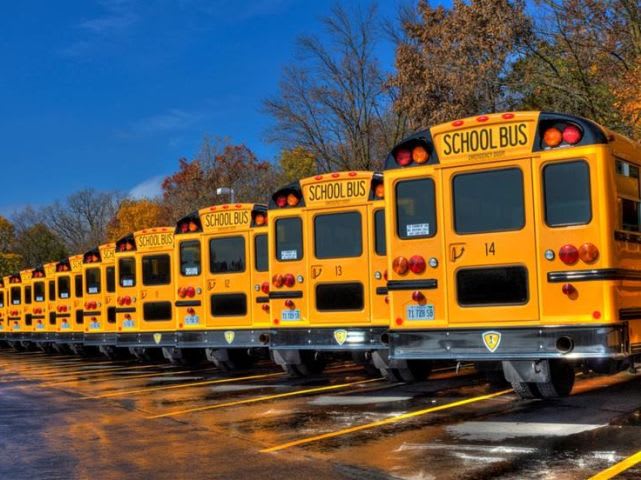
A new report by Onvia found that outsourcing of school transportation service is one of the fastest-growing areas in government contracting. Photo courtesy Fullington.
A new report by Onvia found that outsourcing of school transportation service is one of the fastest-growing areas in government contracting. Photo courtesy Fullington.
Outsourcing of school transportation service is one of the fastest-growing areas in government contracting, according to a new report by Onvia.
The finding comes in the 2017 edition of the commerce intelligence company’s annual "10 Hotspots in Government Contracting" research. The report uses current, future, and historical government transaction data from Onvia's B2G Intelligence System to show the most significant rates of growth in published solicitations.
In the area of pupil transportation, Onvia’s B2G Intelligence System found that from 2015 to 2016, there was a 10% increase in school bus service bids and requests for proposal (RFPs) issued by public districts.
The report also highlights the top 10 states for school bus service bids and RFPs, with New Jersey and New York at the front of the pack.
“While privatized educational services have their share of critics, school funding difficulties will continue and there is a more business-friendly administration at the federal level,” Onvia says in the report. “In this environment, there is a strong potential for further growth in private bus services in the coming years.”
Other government contracting hotspots identified in the Onvia report include providing clean water, serving people with disabilities, strengthening disaster services, and innovating education.
Vendors and buyers can request a free copy of the Onvia report here. The company also recently published a blog post about the increase in school bus service bids.
Meanwhile, a separate study released last year by the Mackinac Center for Public Policy shows long-term growth in outsourcing school transportation services in Michigan. The number of school districts contracting out for busing has risen from 21 districts in 2005 to 137 districts in 2016, according to the center's Michigan School Privatization Survey 2016.
That Mackinac study is available here.
More Management
EverDriven Launches Route Consolidation Calculator to Estimate Diesel Savings
As diesel prices hit record highs, the largest alternative transportation provider says a 10% route consolidation could save a 120-route district more than $78,000 a year in fuel alone.
Read More →
Zum Secures Continued Financing Support for School Bus Expansion
Generate Private Credit has financed approximately $75 million in school bus deployments across three states, supporting more than 500 buses as Zum expands across the county.
Read More →
Beyond Discipline: A Different Approach to Student Behavior on the Bus
After implementing a dean of students program in Oregon, North Clackamas is seeing positive improvements. Here’s how it worked. The Route is brought to you by IC Bus.
Read More →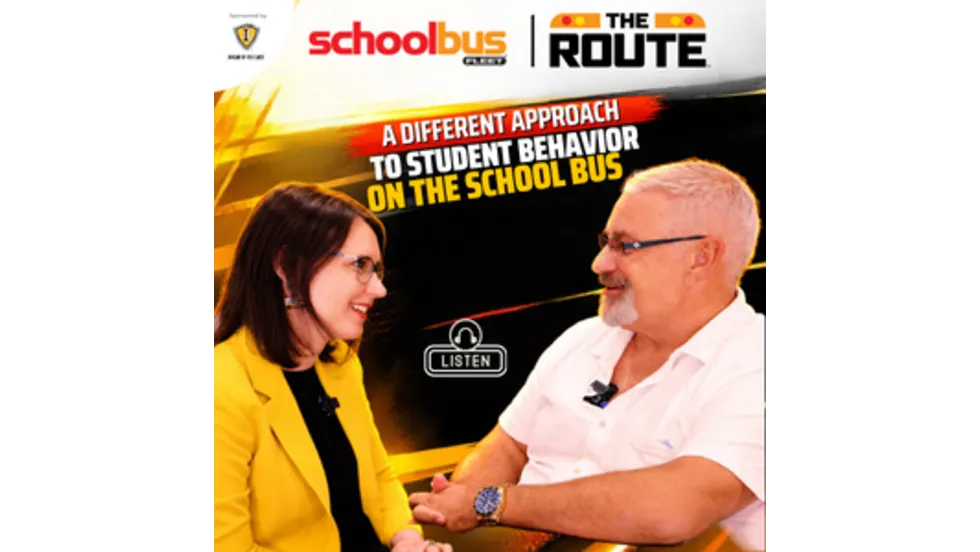
A Dean of Transportation's Different Approach to Student Behavior on the School Bus
After implementing a dean of students program in Oregon, North Clackamas is seeing positive improvements on the bus. Here’s how it worked.
Read More →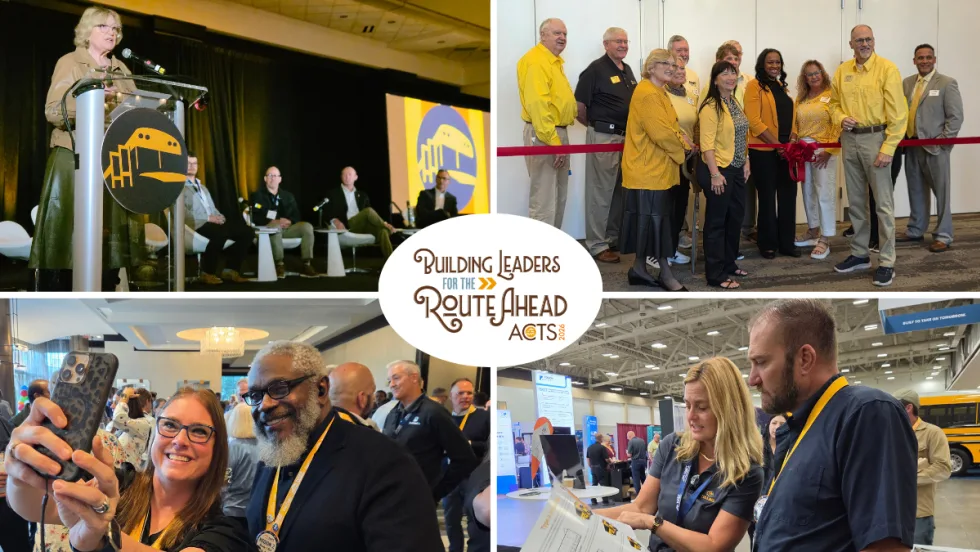
Inside NAPT ACTS 2026: Highlights from Louisville
From federal updates and student behavior strategies to new school bus technology and industry awards, see highlights from NAPT ACTS 2026 in Louisville.
Read More →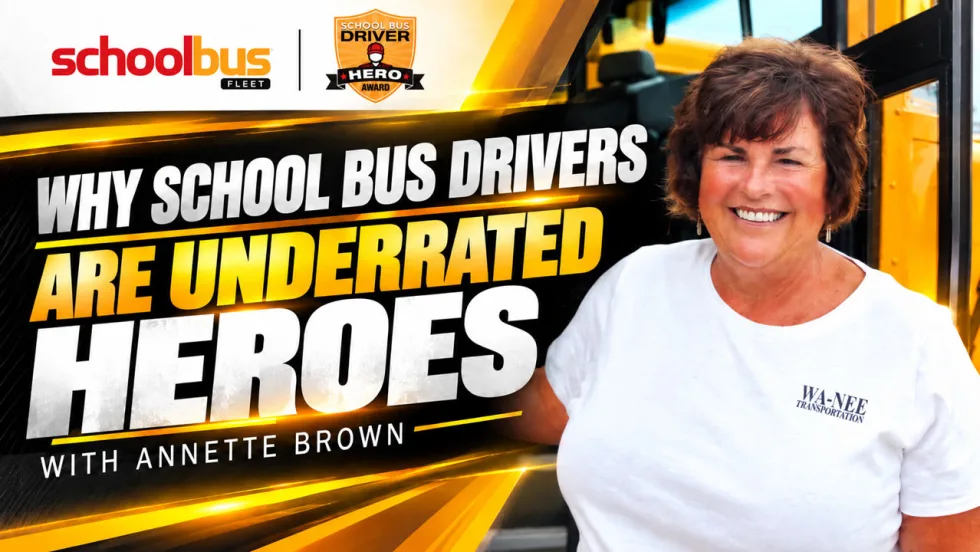
Meet the 2025 School Bus Driver Hero Winner: Annette Brown
We caught up with Wa-Nee Community Schools' Annette Brown on site at SBFX, where she was named the 2026 School Bus Driver Hero Award winner. Hear about her reaction, what she loves most about being a school bus driver, and more!
Read More →
Predictability Is Like Ketchup (According to 6-Year-Olds)
To students, a different school bus can feel like a full-blown crisis. One driver reflects on why familiar routines, showing up on time, and being reliably boring matter more than we think.
Read More →
Samsara Launches Free Driver Rewards Program
The new Driver Perks program gives eligible professional drivers access to discounts and offers without adding a cost for participating fleets.
Read More →
How Tax-Exempt Municipal Leases Can Help Finance School Buses
Let’s explore school bus financing options, including municipal leases, vendor payable accounts, and balloon payments, and how they can help stretch fleet budgets.
Read More →
Nominate Rising School Transportation Pros Under 40!
We’re searching for the next generation of leaders making an impact across the K-12 student transportation industry to recognize as SBF’s 2027 Trailblazers. Nominations are open now!
Read More →