




Police Target School Bus Passing for New York’s Operation Safe Stop
Officers across the state are focusing on school bus stops that have been identified as hot spots of stop-arm running.

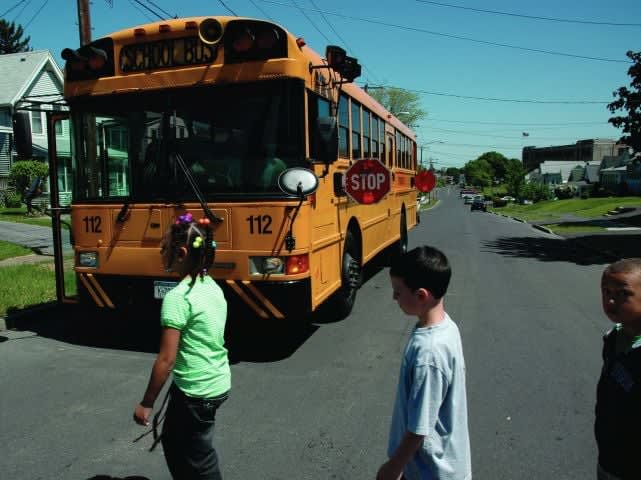
For New York’s Operation Safe Stop Day, police and sheriff patrols are working with districts and contractors to protect children around school buses.

Law enforcement officers in New York are keeping a close lookout for motorists illegally passing school buses on Thursday.
The statewide efforts are part of the annual Operation Safe Stop Day in New York. Patrols from local, county, and state police agencies are focusing on school bus stops that pupil transportation officials have identified as hot spots of stop-arm running.
The New York Association for Pupil Transportation (NYAPT) is coordinating Operation Safe Stop events in the state, including a press event Thursday morning at Union-Endicott High School in the Binghamton area. Local press events are also being held in several other parts of the state.
Multiple monthly surveys by NYAPT have estimated that more than 40,000 school bus stop-arm violations occurred statewide in one day.
“We are still deeply concerned that literally thousands of New Yorkers put our children at serious risk every day by not stopping in accordance with the law,” said Lori-Ann Savino, president of NYAPT and director of transportation for the Jericho School District. “We annually observe Operation Safe Stop Day simply because illegal passing places our children at risk each and every time they board or leave their school bus.”
“When parents send their children to school, they should not fear for their safety because of another motorist’s careless and reckless behavior,” added Peter Mannella, executive director of NYAPT. “We urge motorists to stop when the bus has its red lights flashing.”
In New York, penalties for a first conviction of illegally passing a school bus include a fine of $250 to $400 and possible imprisonment of up to 30 days. A third or subsequent conviction within three years bears a fine of $750 to $1,000 and possible imprisonment of up to 180 days.
“There is no excuse for passing a stopped school bus,” said Faye Stevens, region safety manager for First Student, which has 11 New York locations participating in Operation Safe Stop. “When motorists disobey the law, they put students at risk. Working together on Operation Safe Stop, we hope to prevent injuries and save lives.”
In last year’s Operation Safe Stop, officers from 95 participating law enforcement agencies gave out 859 tickets for passing stopped school buses and 1,547 tickets for other moving violations.
NYAPT’s Operation Safe Stop chair, Michael Klenotiz, thanked the police and sheriff patrols that are working with school districts and contractors to protect children around school buses.
“In every corner of our state, we work as a team with our police partners to keep our precious children safe from harm,” said Klenotiz, who is the transportation supervisor for Oneida City School District. “It’s a great partnership for our children.”
More Safety
NHTSA Releases 10-Year Review of Fatal School Bus Crashes
The latest federal analysis reinforces the safety of school buses while identifying where school-age pedestrians and other motorists remain most at risk.
Read More →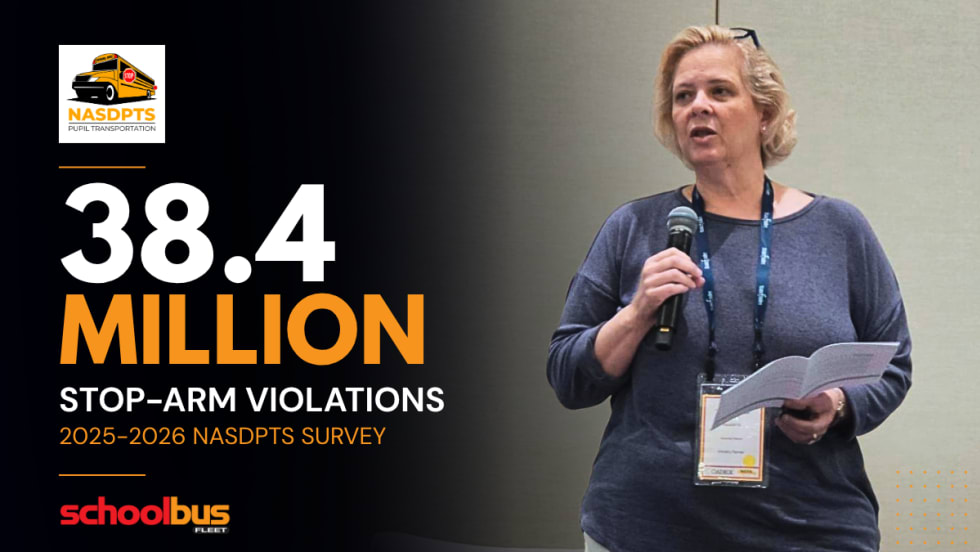
2026 NASDPTS Survey: Data Shows Further Reduction of Illegal Passing
New data is in! School bus stop-arm passings are down to 38.4 million violations per year, about a 2.3% decrease from last school year — but passings on the right side of the bus are higher than ever.
Read More →
Another School Bus Fatality Reported in Monsey, New York
A 7-year-old girl died after being struck by a school bus in Rockland County, New York while crossing the street. Here's what we know.
Read More →
NSTA Announces 2026 School Bus Driver International Safety Competition Winners
Drivers from across the U.S. and Canada showcased their safety and driving skills, with two defending champions successfully retaining their titles.
Read More →
The Driver Shortage Playbook
Driver shortages are still a major challenge for student transportation fleets, but the real issue has shifted. It’s no longer just about filling seats quickly. It’s about finding safe, reliable drivers who meet performance expectations and want to stay. The Driver Shortage Playbook covers why traditional recruitment tactics are falling short and how school fleets are adapting with smarter hiring, stronger retention strategies and a greater focus on driver quality.
Read More →
Pro-Vision Launches AI-Powered 360° Camera System
The new Birdseye camera delivers real-time AI-based pedestrian and vehicle detections, full visibility around the bus, and telematics integrations.
Read More →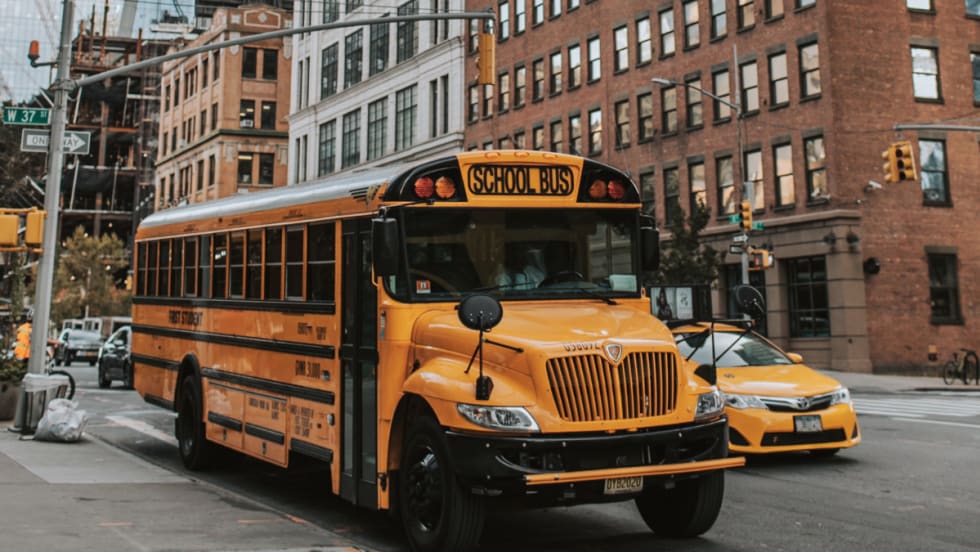
N.Y. & N.J. Coalitions Call for Modernized Transportation for Vulnerable Students
New statewide coalitions in New York and New Jersey are urging lawmakers to expand student transportation options for vulnerable students amid ongoing driver shortages.
Read More →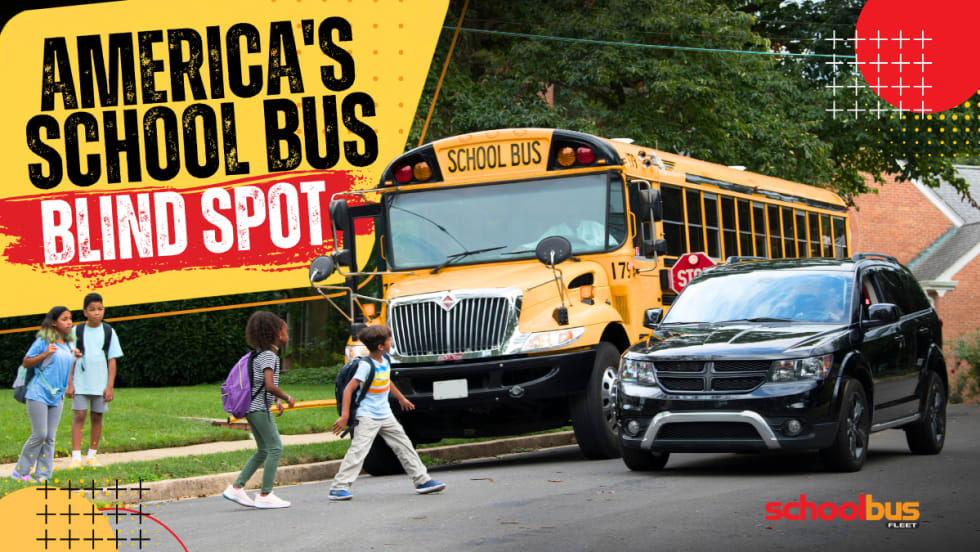
America Has a School Bus Passing Problem — and Distraction Is Making It Worse
Illegal school bus passing remains a major safety threat as distracted driving rises. This op-ed explores why awareness, enforcement, and stop-arm cameras matter more than ever.
Read More →
School Bus Laws to Watch: New York Delays EV Mandate
Plus, federal lawmakers seek new funding for school bus safety as states weigh stop-arm enforcement, disability protections, and education spending.
Read More →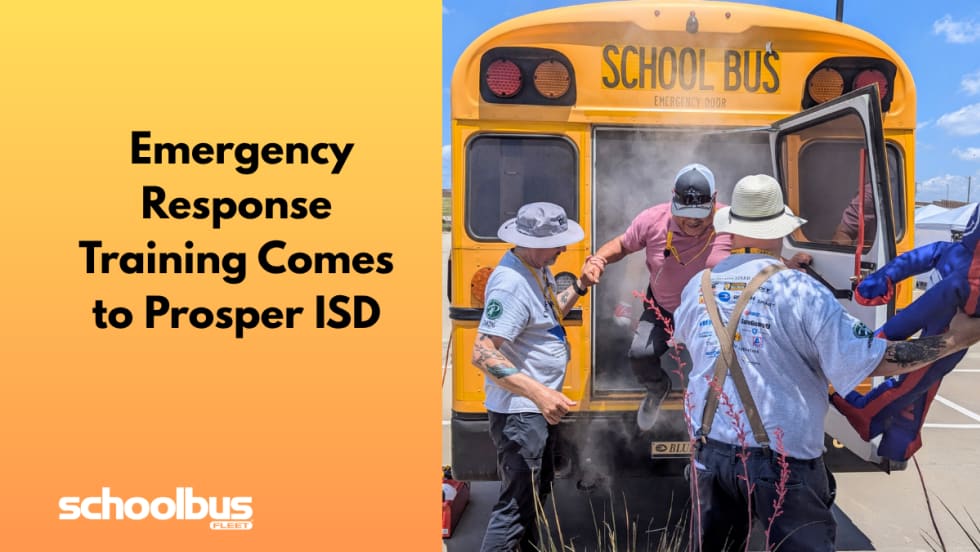
Operation STEER Brings Emergency Response Training to North Texas
Prosper ISD hosted the third annual training for transportation professionals across 67 districts to learn how to respond to emergencies, such as rollovers and evacuations, and proper use of safety equipment.
Read More →