




Outlet Designed to Optimize Power Use
Intelligent Parking Lot Control’s M210 regulates the flow of power to engine block heaters using temperature control sensors.

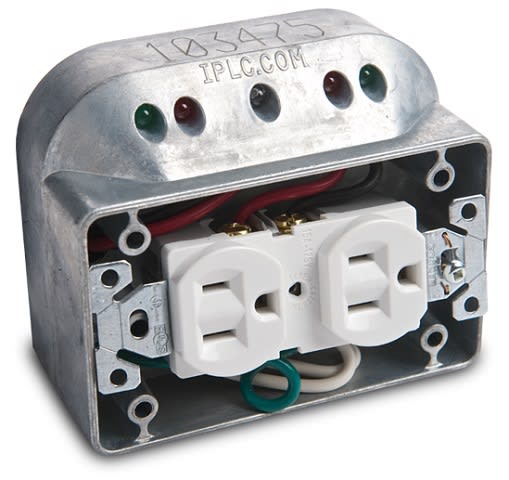
Intelligent Parking Lot Control’s M210 regulates the flow of power to engine block heaters using temperature control sensors.
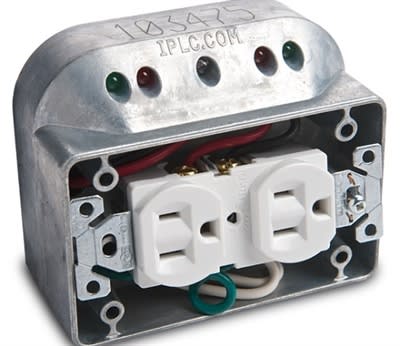
Intelligent Parking Lot Control’s M210 regulates the flow of power to engine block heaters using temperature control sensors.
MANITOBA, Canada — Intelligent Parking Lot Control (IPLC) recently introduced its IPLC M210 for various vehicle applications, including school buses.
The M210 is a smart power receptacle that regulates the flow of power to engine block heaters using temperature control sensors to deliver power when the temperature demands it, according to IPLC. The M210 can replace any existing parking stall outlet, and can reduce power waste by up to 65% per vehicle, resulting in cost and carbon dioxide savings, the company reported.
“When we were developing the M210, we wanted to eliminate as many of the common problems for fleets as we could from the power source side of the equation,” said Glenn Rosenthal, president of IPLC.
In addition to its temperature control sensors, the M210 has several other benefits built into its construction. The M210’s LED light system allows fleet managers to verify at a glance that the outlet is working and is not overloaded. The M210 also has a 2-hour delay built in, so the engines will have time to cool after use before the engine block heaters start receiving power.
More Maintenance

International Adds E-Commerce Capabilities to Fleetrite.com
IC Bus customers can now browse, buy, and track shipments for more than 400,000 aftermarket parts online.
Read More →
The Most Expensive Thing You Do Before Selling a School Bus: Wait
When should you sell an aging school bus? Learn how maintenance, mileage, corrosion, specifications, and timing can affect resale value long before the auction.
Read More →
The essential guide to school bus maintenance and student safety
Reactive maintenance puts students at risk of breakdowns, delays and roadside emergencies. This guide gives transportation directors a data-driven framework to predict failures, extend bus lifespans and improve fleet reliability across every route.
Read More →
The Evolution of DEF Header Technology: What School Bus Operations Should Know at Replacement Time
See what school bus fleets should consider when replacing DEF headers to improve reliability, reduce repeat repairs, and control maintenance costs.
Read More →
Kerry Brothers Grows Michigan School Bus Repair Network
The acquisition of Downriver Truck and Bus expands Kerry Brothers’ school bus maintenance footprint across southeast Michigan, adding repair capacity, diagnostic resources, and state inspection support.
Read More →
Noregon Introduces CAN Bus Diagnostic Tool, Expands JPRO Features
CAN Mentor and the latest JPRO update aim to simplify vehicle network diagnostics and improve repair efficiency for technicians of all experience levels.
Read More →
Cummins on Smarter, Simpler Engine Innovation
Cummins discusses its first-ever gasoline engine for school buses, EPA 2027, and why bus fleets still want durable, simpler internal combustion options.
Read More →
Report: 72% of Diesel School Buses Now Use Advanced Low-Emission Engines
New data shows advanced low-emission diesel technology continues expanding across school bus fleets, even as electric bus adoption gains momentum.
Read More →
Vampire Tools' CAIMAN 7.5-Inch Multi-Purpose Screw Extractor Long-Nose Pliers with Crimper
Vampire Tools introduced the VAMPLIERS Caiman 7.5-inch multi-purpose pliers, combining screw extraction, cutting, crimping, and gripping functions into a single tool designed for fleet maintenance professionals.
Read More →
How Advanced Diagnostics Helps Bus Fleets Stay Ahead of Repairs
Chat with Noregon’s Kevin Smallhorn at ACT Expo about bus diagnostic tools, telematics integration, CNG maintenance support, and strategies to help reduce downtime and improve uptime.
Read More →