

Operations participate in school bus retrofit program
Nine Massachusetts school districts and bus companies have collectively outfitted 72 school buses with pollution-control devices by participating in the state's clean diesel program. The equipment was installed for free through funds designated for the program by the state Department of Transportation.

BOSTON — Nine school districts and bus companies throughout the state have joined the growing list of pupil transportation operations that have taken advantage of free diesel retrofit installations under the "MASSCLEANDIESEL: Clean Air for Kids" program.
This program encourages the Commonwealth's bus owners to install pollution-control devices on eligible diesel-powered school buses. There are now 18 operations statewide that have retrofitted 136 school buses to provide cleaner air benefits to more than 22,000 students.
"These investments will bring cleaner air to communities across the Commonwealth and serve as an example of how small changes can make a big difference to our environment," Gov. Deval Patrick said.
Participating in this round of MASSCLEANDIESEL school bus retrofits are: Joseph Ingle Bus Service Inc.; John B. Ormsbee Inc.; Acton Public Schools; Acton-Boxborough Regional Schools; Monson Public Schools; Southeastern Regional School District; Seekonk School Department; Upper Cape Cod Regional Technical High School; and Mohawk Trail Regional School District.
Collectively, these nine private and public bus owners have retrofitted 72 school buses that serve nearly 9,000 students across 32 municipalities in the state with diesel oxidation catalysts and/or crankcase ventilation systems. Firms based in New Bedford, Milford and Tyngsboro installed the equipment.
"The MASSCLEANDIESEL program is a great example of partnerships between federal, state and local officials working together to improve lives for our residents," Education Secretary Paul Reville said. "Our goal is to provide an excellent and equitable education for all our students and that starts with helping them arrive at school healthy and prepared to learn."
"I applaud the Patrick-Murray Administration for their continued commitment to clean air everywhere, but especially in our school environments," State Senator Benjamin B. Downing added. "These investments build off the 2008 School Campus Air Quality Act, which required all motorists to cease idling cars in school parking lots. Together, these seemingly small steps will produce great strides for the environmental health of our students, teachers and other employees."
The Massachusetts Department of Transportation provided $16.5 million in state and federal funding under an agreement associated with the Central Artery/Tunnel Project for the MASSCLEANDIESEL: Clean Air for Kids program.
More Alternative Fuels
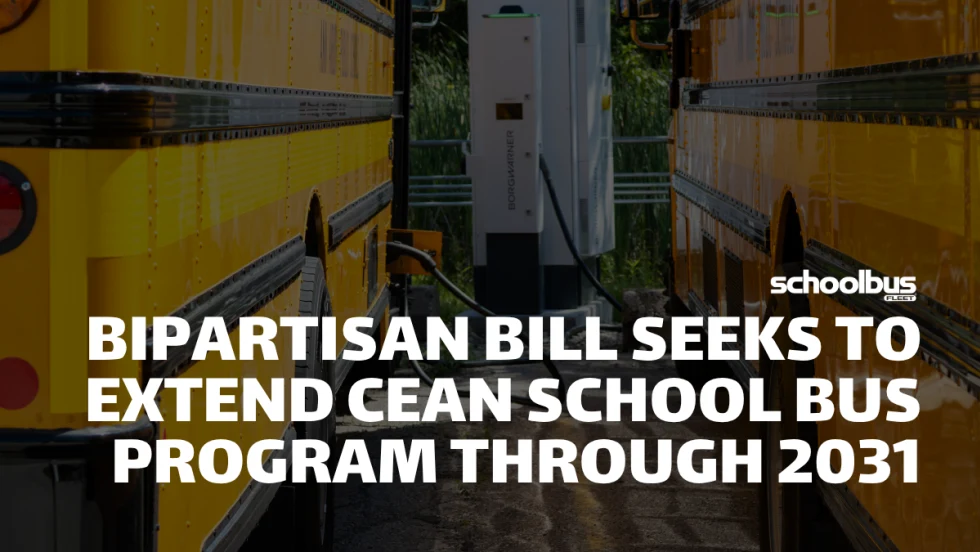
Bipartisan Bill Seeks to Extend Clean School Bus Program Through 2031
The proposed legislation would renew federal support for cleaner school buses as districts navigate funding uncertainty, rising fuel and infrastructure costs, and fleet replacement needs.
Read More →
Alt-Fuel Moves: Electric Bus Rollouts, Bidirectional Charging & Propane Growth
See which fleets are adding electric and propane school buses as districts and operators invest in charging infrastructure, bidirectional technology, and alternative-fuel expansion.
Read More →
Nobody Told Diesel Prices They Were Supposed to Come Down
With diesel prices surging, school bus fleets have new reason to stress-test fuel costs, consider diversification, and calculate what each route really costs to operate.
Read More →
Why Gasoline School Buses Are Making a Comeback
Gasoline is gaining ground in full-size school buses. See how today’s options stack up against diesel on cost, maintenance, emissions, performance, and more.
Read More →
EPA Opens $180M DERA Funding Round for Diesel Upgrades
The 2026 Diesel Emissions Reduction Act program seeks applications from eligible organizations to accelerate the retirement of legacy diesel vehicles.
Read More →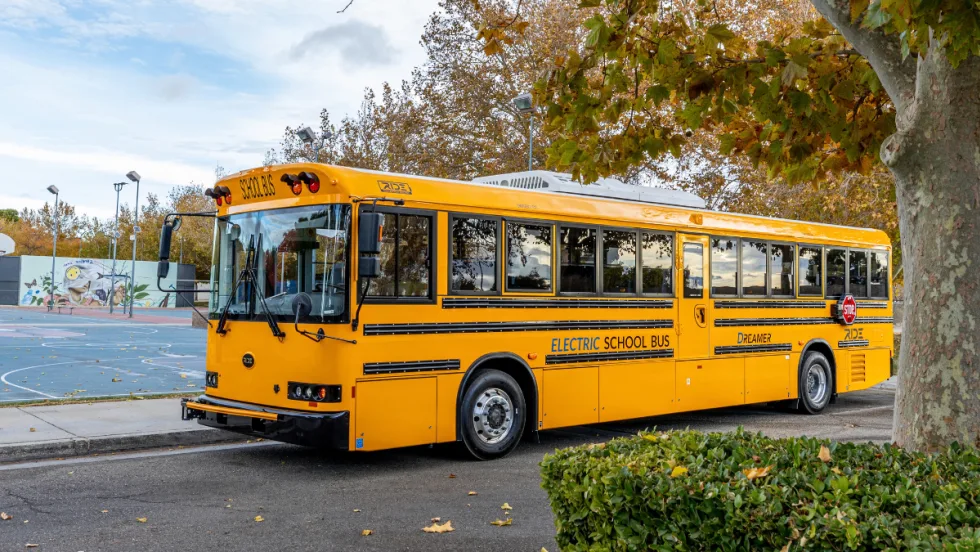
The Secret Life of an Electric School Bus Battery
Batteries change throughout years of daily routes, but degradation doesn’t necessarily mean the end. Here’s what operators should know about performance, safety, and second life.
Read More →
CALSTART and Forth Combine to Form Catalyst Mobility
The new name represents a renewed vision for the nonprofit focused on advancing clean, equitable, and affordable transportation solutions that move people and goods.
Read More →
Alt-Fuel Moves: New Buses, Charging Hubs & Real-World EV Testing
Propane and electric school bus deployments continue to grow as districts add new vehicles, expand charging infrastructure, and gather more real-world operating data.
Read More →
Fewer Electric School Bus Models Reshape the U.S. Market
WRI’s latest buyer’s guide points to a consolidating electric school bus market, but fewer options may reflect a maturing industry rather than fewer meaningful choices for school bus operators.
Read More →
The Fuel Budget You Can Actually Predict: How Propane Autogas Keeps Money in the Classroom
Learn how propane autogas helps school districts manage fuel costs with predictable pricing, lower maintenance, and reduced emissions from former transportation director Joel Stutheit.
Read More →