




NTSB official highlights dangers of driver fatigue
While the “spring forward” clock change creates a national sleep debt and leads to a spike in auto crashes, driver fatigue is a “life-threatening concern” at all times of the year, Mark Rosekind writes in a National Transportation Safety Board blog post.


Mark Rosekind is a National Transportation Safety Board member and an expert in sleep and fatigue science.
While the “spring forward” clock change creates a national sleep debt and leads to a spike in auto crashes, driver fatigue is a “life-threatening concern” at all times of the year, a federal safety official writes.
In a National Transportation Safety Board (NTSB) blog entry posted on Thursday, Mark Rosekind, an NTSB member and an expert in sleep and fatigue science, highlights the dangers of driver fatigue after the switch to Daylight Saving Time and beyond.
On the Monday after the time change, there is a 17% increase in crashes on the nation’s roadways, according to Rosekind.
Throughout each year, he notes, an estimated 1 million highway crashes and near-misses are likely related to fatigue.
“Perhaps the most basic requirement for safely operating any vehicle is to be awake, and though necessary, just being awake is not sufficient,” Rosekind writes. “Safe travel requires every vehicle operator to have obtained optimal sleep and be wide-awake and maximally alert, every time.”
Rosekind points to a deadly accident near Miami, Okla., three years ago in which 10 people died when a truck plowed into seven cars and caused a massive pile-up.
“The driver suffered from a deadly combination of an altered work schedule, acute sleep loss and sleep apnea,” Rosekind writes. “He never even touched the brakes.”
The NTSB member also discusses actions that his agency and federal regulators have taken, adding that “reducing fatigue risks in transportation is everyone’s ongoing responsibility: companies, the government, individual operators and travel consumers.”
To read Rosekind’s blog post, go here.
More Safety

How to Build a Better School Bus Driver Training Program
Is it time to strengthen your driver training? Here’s how to pick the right talent and improve recruitment, retention, and safety. This video is brought to you by IC Bus.
Read More →
Recent School Bus Accidents Leave 2 Dead, 2 Injured
Four school bus crashes in Florida, Illinois, and Georgia highlight risks in transportation lots, at bus stops, and during student loading and unloading.
Read More →
When Every Second Matters, Clarity Keeps Routes Moving
From routine delays to urgent incidents, strong communication practices help drivers, dispatchers, schools, and families respond with confidence.
Read More →

What Happens When a School Bus Catches Fire — and What Can Help
School bus fires are rare but can be devastating. Learn how advances in fire suppression and asset protection help fleets detect fires earlier, reduce damage, and improve safety.
Read More →
Geotab Launches Tool to Help Fleets Investigate Road Incidents
Geotab Investigations combines telematics data, video, documents, and other evidence to help fleets reconstruct incidents, resolve claims, and determine what happened.
Read More →
Texas Sixth Grader Wins 2026 National School Bus Safety Poster Contest
Sai Darshana Yekolu of Moseley Middle School in Prosper, Texas, was named the newest winner for her artwork, bringing the theme of “Safe Rides, Everyday Heroes” to life.
Read More →
Doing More With Less: How Transportation Directors Can Prioritize Safety Amid Budget Uncertainty
With diesel prices soaring and nearly one-third of transportation directors expecting budget cuts, maintaining student safety has never been more challenging. Download this guide to learn how leading districts are prioritizing risk, funding critical safety technology, and building stronger budget cases with data.
Read More →
Walton County Schools Adds Gatekeeper Stop-Arm Enforcement System
The Florida district will deploy Gatekeeper’s updated Student Protector technology, which now incorporates AI to improve video evidence.
Read More →
How To Build a More Secure School Bus Yard During and After Hours
As thefts and overnight security threats continue, school transportation leaders are combining stronger operational practices with AI-enabled surveillance to better protect buses, facilities, and staff.
Read More →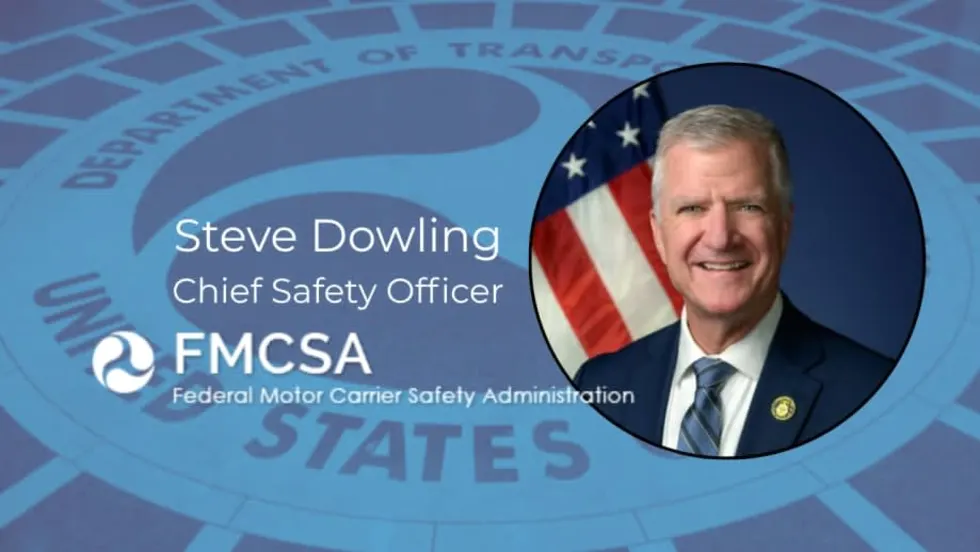
FMCSA Names New Chief Safety Officer: What School Bus Operators Should Know
Steve Dowling is set to lead the federal agency's efforts to advance commercial motor vehicle safety and reduce crashes, fatalities, and injuries on the nation's roadways.
Read More →