



NSTA representative addresses House panel
WASHINGTON, D.C. — Terry Thomas, chair of National School Transportation Association's Government Relations Committee, told Congress Wednesday that f...

WASHINGTON, D.C. — Terry Thomas, chair of National School Transportation Association's Government Relations Committee, told Congress Wednesday that fuel price increases threaten the safety of schoolchildren. In testimony delivered before the House Select Committee on Energy Independence and Global Warming, Thomas warned that reductions in school bus service as a result of higher fuel prices will increase congestion, pollution and overall fuel consumption; but most important, reductions in school bus service will result in more child deaths as students are forced into higher risk transportation. Already, schools across the country have reacted to increased energy costs by eliminating sports and activity trips, charging parents for bus service, increasing walking distances and shifting students from school buses to public transit. Thomas compared the 20 fatalities nationwide among the 25 million students who ride the school bus to and from school with the 800 fatalities nationwide among the 20 million students who do not take the bus. He urged Congress to provide the resources to ensure that dedicated school bus systems continue to protect our children. Thomas suggested the following relief measures as ways to help mitigate fuel costs: 1) Use of federal highway congestion mitigation funding for the purchase of new school buses and for a national public education campaign to encourage greater use of school buses. 2) Federal assistance to school districts to offset the increased cost of fuel, regardless of whether the districts operate their own vehicles or contract for that purpose. 3) An investment tax credit or other incentives for bus manufacturers to encourage production of energy-efficient and alternative-power buses. 4) An energy tax credit for school bus companies to encourage the purchase of cleaner, more energy-efficient fleets and the infrastructure necessary to operate them. 5) Funding to assist with federal mandates to meet safety, environmental and security standards. Thomas noted that in a recent SCHOOL BUS FLEET survey, 60% of school districts reported an increase in ridership due to increased fuel costs. This puts schools and their contractors in a difficult financial irony: They are being asked to accommodate more students for the same reason that they are being forced to cut service. It’s a situation that can’t be resolved without additional resources — resources the industry hopes Congress will provide.
More Safety
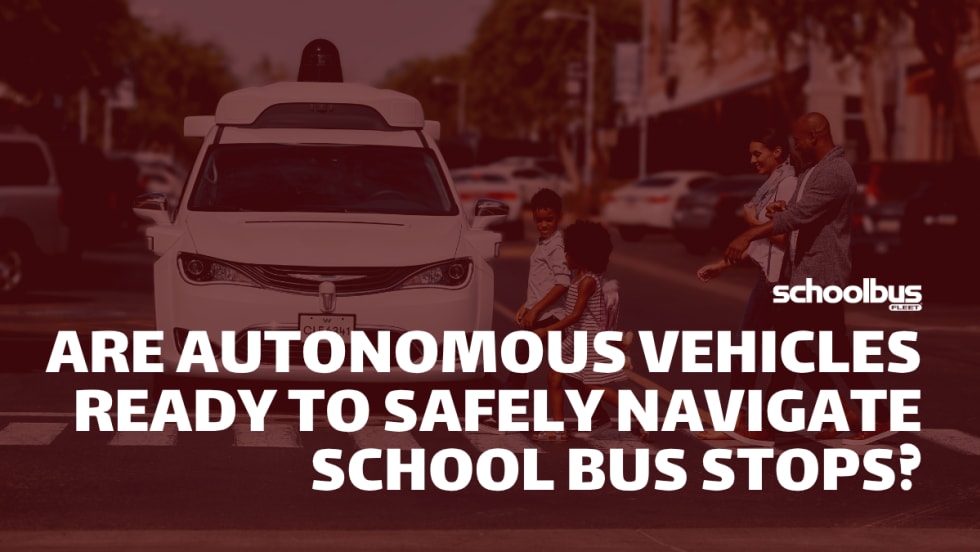
Are Autonomous Vehicles Ready to Safely Navigate School Bus Stops?
NHTSA is accelerating autonomous vehicle deployment through new safety standards and commercial approvals. See why school transportation leaders are watching.
Read More →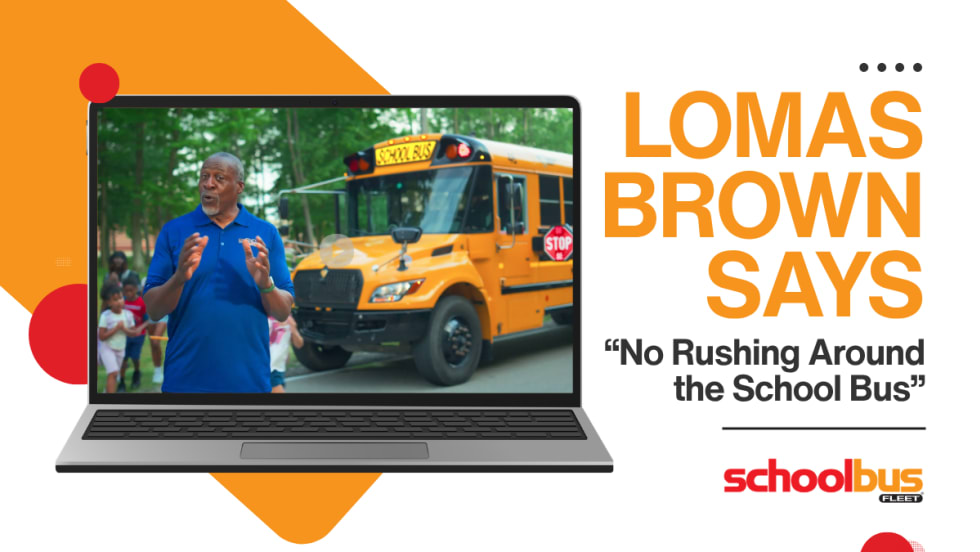
NFL Star Lomas Brown Kicks Off New Illegal School Bus Passing PSA
Just in time for the back-to-school season, the former Detroit Lions offensive tackle took time to record a video encouraging motorists to slow down around school buses.
Read More →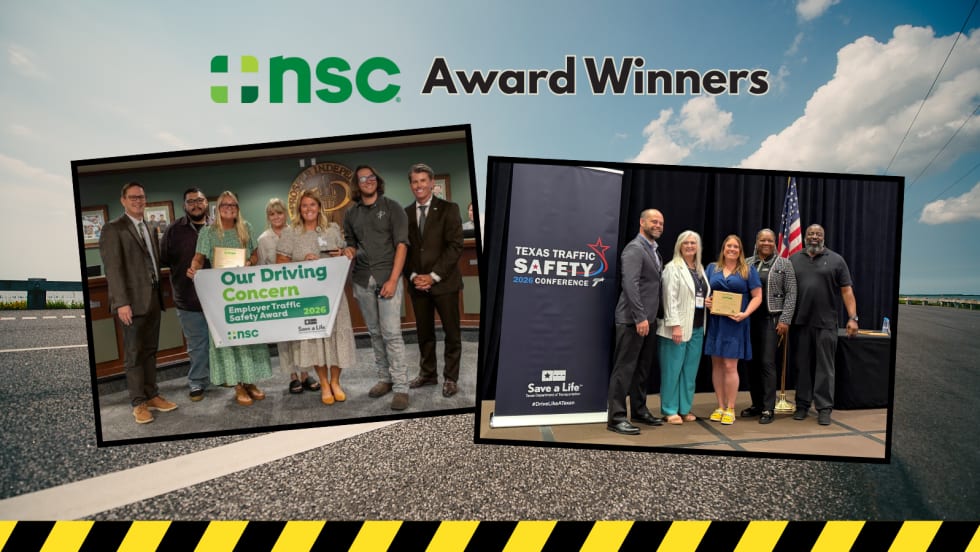
How Two Texas Districts Built Award-Winning Safety Programs
Learn how Prosper ISD and Rockwall ISD earned National Safety Council honors through hands-on training, safety culture, and strategies that reduced transportation incidents.
Read More →
NHTSA Releases 10-Year Review of Fatal School Bus Crashes
The latest federal analysis reinforces the safety of school buses while identifying where school-age pedestrians and other motorists remain most at risk.
Read More →
2026 NASDPTS Survey: Data Shows Further Reduction of Illegal Passing
New data is in! School bus stop-arm passings are down to 38.4 million violations per year, about a 2.3% decrease from last school year — but passings on the right side of the bus are higher than ever.
Read More →
Another School Bus Fatality Reported in Monsey, New York
A 7-year-old girl died after being struck by a school bus in Rockland County, New York while crossing the street. Here's what we know.
Read More →
NSTA Announces 2026 School Bus Driver International Safety Competition Winners
Drivers from across the U.S. and Canada showcased their safety and driving skills, with two defending champions successfully retaining their titles.
Read More →
The Driver Shortage Playbook
Driver shortages are still a major challenge for student transportation fleets, but the real issue has shifted. It’s no longer just about filling seats quickly. It’s about finding safe, reliable drivers who meet performance expectations and want to stay. The Driver Shortage Playbook covers why traditional recruitment tactics are falling short and how school fleets are adapting with smarter hiring, stronger retention strategies and a greater focus on driver quality.
Read More →
Pro-Vision Launches AI-Powered 360° Camera System
The new Birdseye camera delivers real-time AI-based pedestrian and vehicle detections, full visibility around the bus, and telematics integrations.
Read More →
N.Y. & N.J. Coalitions Call for Modernized Transportation for Vulnerable Students
New statewide coalitions in New York and New Jersey are urging lawmakers to expand student transportation options for vulnerable students amid ongoing driver shortages.
Read More →