




NHTSA Report Puts School Bus Fatality Data in Perspective
From 2006 to 2015, there were 324,710 fatal motor vehicle traffic crashes. Of those, 0.4% were classified as being related to school transportation.

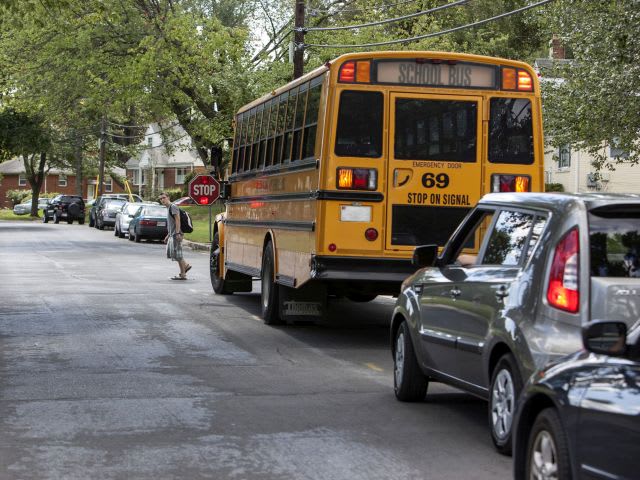
A NHTSA report shows that most child fatalities in school-transportation-related crashes take place outside of the bus or in other vehicles. Photo courtesy NHTSA
A NHTSA report shows that most child fatalities in school-transportation-related crashes take place outside of the bus or in other vehicles. Photo courtesy NHTSA
An average of 30 school-age children are killed each year in school-transportation-related crashes — most of them outside of the bus or in other vehicles — according to newly updated federal data.
The National Highway Traffic Safety Administration (NHTSA) recently released an August 2017 edition of its School-Transportation-Related Crashes report, covering the 10-year period from 2006 to 2015. The report shows school bus fatalities accounting for a fraction of a percent of overall vehicle fatalities.
According to NHTSA, from 2006 to 2015, there were 324,710 fatal motor vehicle traffic crashes. Of those, 1,172 (0.4%) were classified as being related to school transportation.
Even within the school-transportation-related fatalities, less than a quarter of those killed are children. In the 2006 to 2015 time span, NHTSA’s data show that 1,313 people of all ages were killed in crashes related to school transportation, with 301 of them (23%) being school-age children (age 18 or younger).
The report also shows that most of the child fatalities take place outside of school buses or in other vehicles. Of the 301 school-age children killed in school-transportation-related crashes from 2006 to 2015:
• 54 (18%) were occupants of school transportation vehicles.
• 137 (46%) were occupants of other vehicles.
• 102 (34%) were pedestrians.
• Eight (3%) were cyclists.
According to NHTSA’s data, of the school-age pedestrians killed in school-transportation-related crashes from 2006 to 2015:
• 61% were struck by school buses.
• 3% were struck by vehicles functioning as school buses.
• 36% were struck by other vehicles involved in the crashes.
NHTSA defines a school-transportation-related crash as one that involves, either directly or indirectly, a school bus body vehicle or a non-school bus functioning as a school bus, transporting children to or from school or school-related activities.
The August 2017 edition of School-Transportation-Related Crashes is available here.
More Safety

HopSkipDrive Reports Progress on Safety Advisory Council
More than a year after forming the council, independent safety experts have helped shape new rider-safety features and policy progress, with a new goal to address rider behavior.
Read More →
What the 2026 National School Bus Safety Month Resolution Means for Student Transportation
The bipartisan resolution highlights illegal school bus passing, student safety during loading and unloading, and the need for driver training and public education.
Read More →
School Bus Stop-Arm Violations Decline 53% Across Verra Mobility Programs
Verra Mobility shares how school bus stop-arm cameras and school zone safety programs are changing driver behavior, reducing violations, and protecting students.
Read More →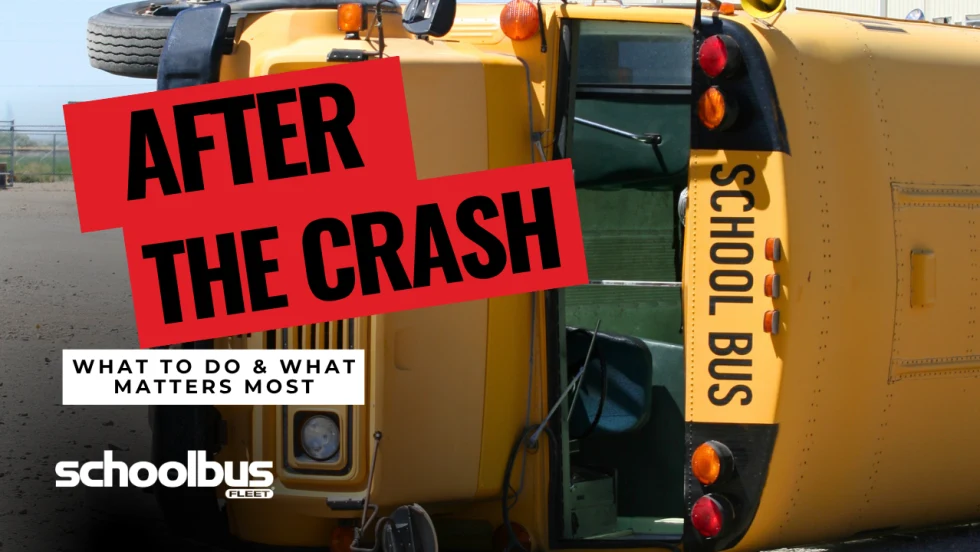
Most Bus Crashes Aren’t Your Fault. Here’s How to Prove It.
A guide for what to do in between a school bus crash and a claim: what to preserve, who to notify, and how to keep the facts available when they matter.
Read More →
National School Bus Safety Week 2026: Tips, Toolkits & Resources to Keep Students Safe
School bus safety takes more than awareness. Explore expert tips, enforcement strategies, and free resources to help protect students on every ride.
Read More →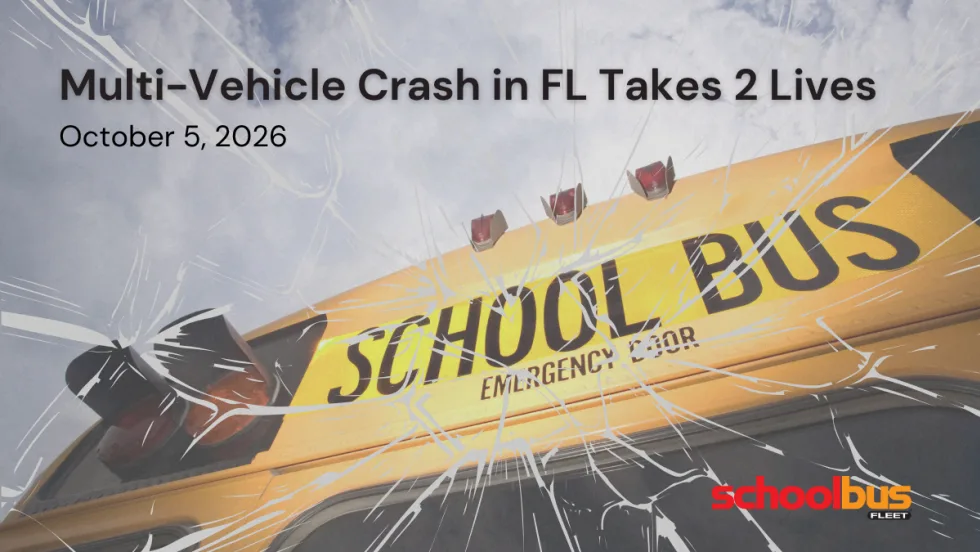
2 Killed, Dozens Injured in Florida School Bus Crash
A multi-vehicle collision caused a Polk County school bus carrying 37 students to overturn on its way to Winter Haven High School.
Read More →
Illegal School Bus Passing Drops 24% in New York Districts
With fewer than 5% of citations involving repeat offenders, Westchester County officials said enforcement, education, and community partnerships are helping change driver behavior.
Read More →
School's Back. Here's What Happened to Traffic, Speeding & Distraction
What happens to traffic when school resumes? New data analysis examines changes in distracted driving, congestion, and speeding around schools.
Read More →
Geotab Expands Fleet Safety Tools With Video Coaching, Risk Insights
New safety and video capabilities aim to help fleet managers assess risk, support drivers, and take targeted action through video coaching, red-light violation detection, and more.
Read More →
How to Build a Better School Bus Driver Training Program
Is it time to strengthen your driver training? Here’s how to pick the right talent and improve recruitment, retention, and safety. This video is brought to you by IC Bus.
Read More →