




NHTSA issues final rule requiring seat belts on motorcoaches
The rule, which amends FMVSS 208, applies to new over-the-road buses and to other types of new buses with a gross vehicle weight rating greater than 26,000 pounds, except transit buses and school buses. Requiring seat belts could reduce fatalities by up to 44% and reduce the number of moderate to severe injuries by up to 45%, according to NHTSA.

WASHINGTON, D.C. — On Wednesday, the National Highway Traffic Safety Administration (NHTSA) issued a final rule requiring lap-shoulder seat belts for each passenger and driver seat on new motorcoaches and other large buses. The rule does not apply to school buses.
Officials said the new rule enhances the safety of these vehicles by significantly reducing the risk of fatalities and serious injuries in frontal crashes and the risk of occupant ejection in rollovers.
"Safety is our highest priority, and we are committed to reducing the number of deaths and injuries on our roadways," U.S. Transportation Secretary Anthony Foxx said. "Today's rule is a significant step forward in our efforts to improve motorcoach safety."
On average, 21 motorcoach and large bus occupants are killed and 7,934 are injured annually in motor vehicle crashes, according to NHTSA data. Requiring seat belts could reduce fatalities by up to 44% and reduce the number of moderate to severe injuries by up to 45%, according to the agency.
"While travel on motorcoaches is overall a safe form of transportation, when accidents do occur, there is the potential for a greater number of deaths and serious injuries due to the number of occupants and high speeds at which the vehicles are traveling," NHTSA Administrator David Strickland said. "Adding seat belts to motorcoaches increases safety for all passengers and drivers, especially in the event of a rollover crash."
"Buckling up is the most effective way to prevent deaths and injuries in all vehicular crashes, including motorcoaches," Federal Motor Carrier Safety Administrator Anne S. Ferro said. "Requiring seat belts in new models is another strong step we are taking to reach an even higher level of safety for bus passengers."
The final rule, which amends Federal Motor Vehicle Safety Standard 208, applies to new over-the-road buses and to other types of new buses with a gross vehicle weight rating greater than 26,000 pounds, except transit buses and school buses.
The rule fulfills a mandate from the Moving Ahead for Progress in the 21st Century Act. Beginning in November 2016, newly manufactured motorcoaches will be required to be equipped with lap-shoulder belts for each driver and passenger seat.
Several companies have already begun voluntarily purchasing buses that include seat belts, and officials said the U.S. Department of Transportation (DOT) will continue encouraging the adoption of lap-shoulder seat belts prior to the mandatory deadline.
In addition, the U.S. DOT will continue moving forward with other initiatives to improve motorcoach safety as outlined in the Motorcoach Safety Action Plan.
• Read the final rule here.
• Read the Motorcoach Safety Action Plan here.
More Safety

How to Build a Better School Bus Driver Training Program
Is it time to strengthen your driver training? Here’s how to pick the right talent and improve recruitment, retention, and safety. This video is brought to you by IC Bus.
Read More →
Recent School Bus Accidents Leave 2 Dead, 2 Injured
Four school bus crashes in Florida, Illinois, and Georgia highlight risks in transportation lots, at bus stops, and during student loading and unloading.
Read More →
When Every Second Matters, Clarity Keeps Routes Moving
From routine delays to urgent incidents, strong communication practices help drivers, dispatchers, schools, and families respond with confidence.
Read More →

What Happens When a School Bus Catches Fire — and What Can Help
School bus fires are rare but can be devastating. Learn how advances in fire suppression and asset protection help fleets detect fires earlier, reduce damage, and improve safety.
Read More →
Geotab Launches Tool to Help Fleets Investigate Road Incidents
Geotab Investigations combines telematics data, video, documents, and other evidence to help fleets reconstruct incidents, resolve claims, and determine what happened.
Read More →
Texas Sixth Grader Wins 2026 National School Bus Safety Poster Contest
Sai Darshana Yekolu of Moseley Middle School in Prosper, Texas, was named the newest winner for her artwork, bringing the theme of “Safe Rides, Everyday Heroes” to life.
Read More →
Doing More With Less: How Transportation Directors Can Prioritize Safety Amid Budget Uncertainty
With diesel prices soaring and nearly one-third of transportation directors expecting budget cuts, maintaining student safety has never been more challenging. Download this guide to learn how leading districts are prioritizing risk, funding critical safety technology, and building stronger budget cases with data.
Read More →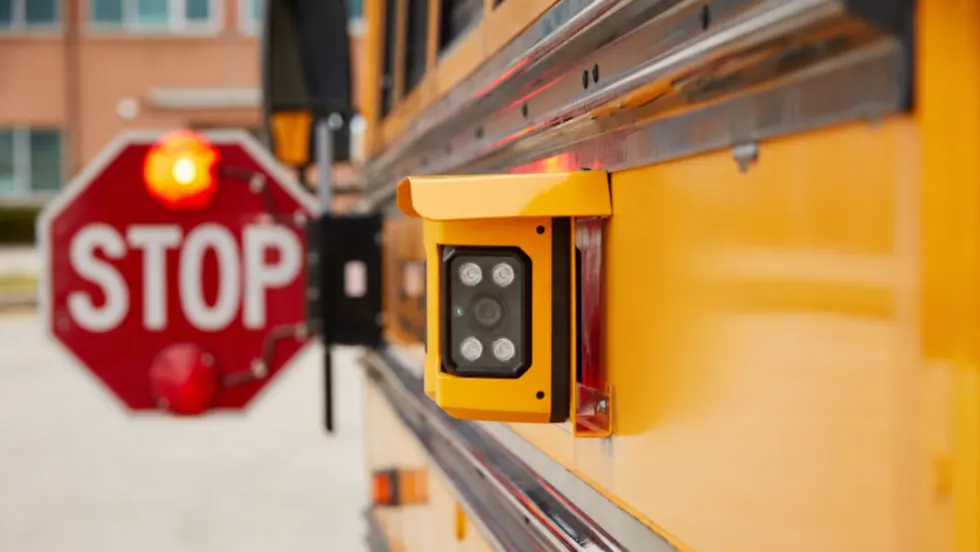
Walton County Schools Adds Gatekeeper Stop-Arm Enforcement System
The Florida district will deploy Gatekeeper’s updated Student Protector technology, which now incorporates AI to improve video evidence.
Read More →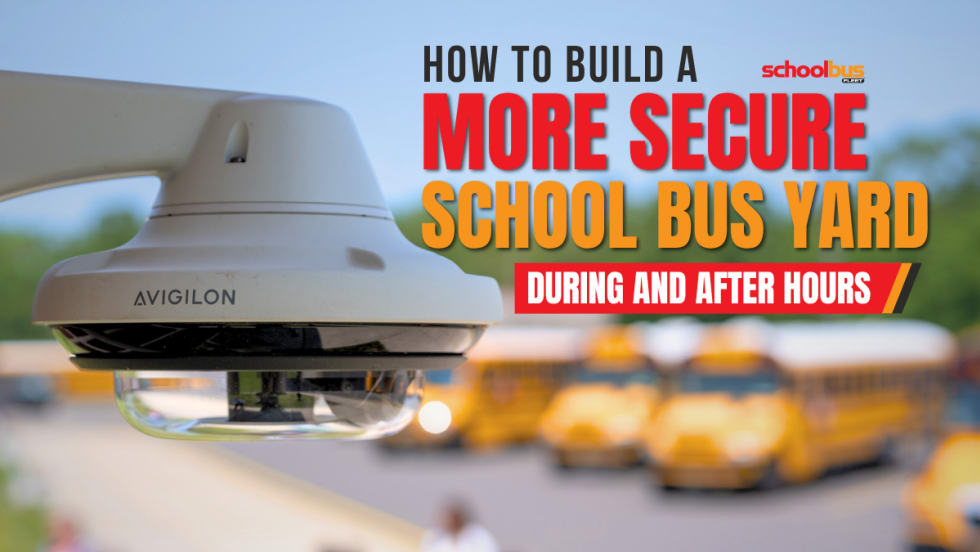
How To Build a More Secure School Bus Yard During and After Hours
As thefts and overnight security threats continue, school transportation leaders are combining stronger operational practices with AI-enabled surveillance to better protect buses, facilities, and staff.
Read More →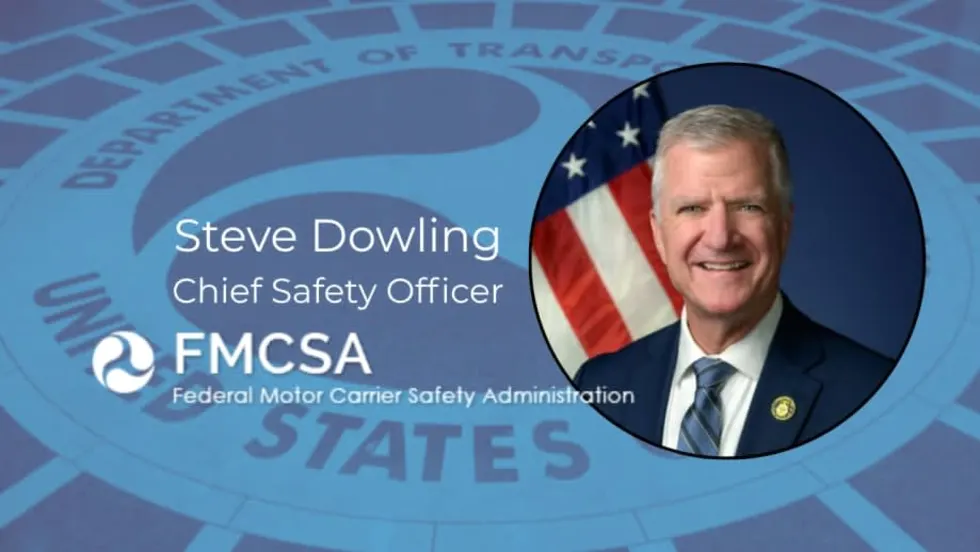
FMCSA Names New Chief Safety Officer: What School Bus Operators Should Know
Steve Dowling is set to lead the federal agency's efforts to advance commercial motor vehicle safety and reduce crashes, fatalities, and injuries on the nation's roadways.
Read More →