





Speaking of Speeding: School Zone Speedsters: 6,000 Violations Recorded in 72 Hours
No More Speed Limiters? NHTSA & FMCSA Withdraw 2016 Proposal
The federal agencies have dropped plans to require speed limiters on heavy vehicles due to ongoing concerns about safety, policy, and lack of clear data.
July 30, 2025
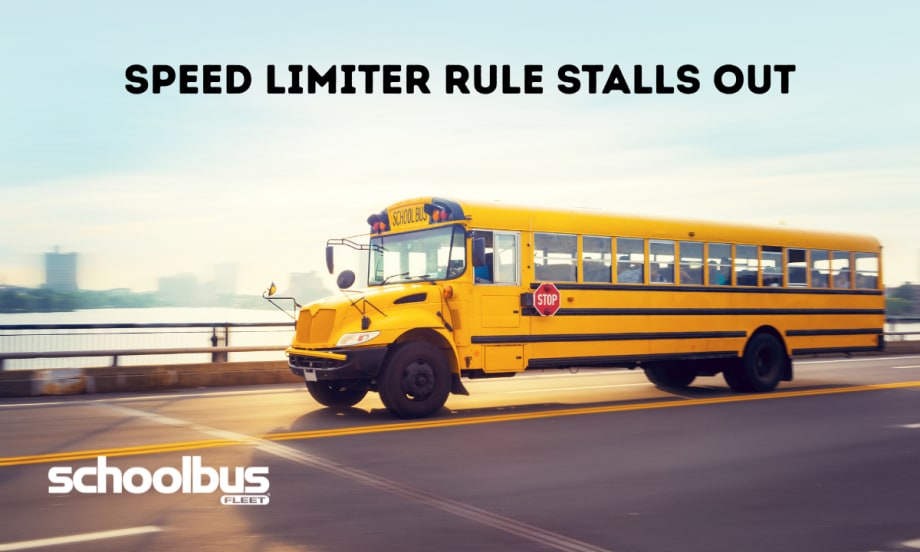
The original proposal, though never adopted, would have affected many Type C and Type D buses with a GVRW over 26,000 pounds. The rulemaking was first introduced in 2016 and now is null.
Photo: School Bus Fleet
2 min to read
Last week, the Federal Motor Carrier Safety Administration (FMCSA) and the National Highway Traffic Safety Administration (NHTSA) announced that it withdrew its 2016 proposal to require heavy vehicles with a GVWR of 26,000 pounds or more to be equipped with a speed limiting device.
FMCSA also cancelled its May 4, 2022, proposal that the same vehicles equipped with speed limiters must set a speed limit and maintain that setting for the life of the vehicle.
The original intent was based on data of the time suggesting that limiting the speed of these heavy vehicles would reduce the severity of crashes involving those vehicles. However, the agencies were not able to estimate the effects of speed reduction on the number of crashes, and the proposal did not include estimated costs or benefits related to crash reductions or increases.
In 2016, over 7,000 comments were received in regard to the rule; some drivers in light vehicles applauded the move, perceiving it as a safety win. Others were concerned about the potential speed difference and felt that it could lead to increased risky driving behavior by light vehicles trying to pass the slower, heavier vehicles and overall highway slowness as heavy vehicles passed one another. The Insurance Institute for Highway Safety (IIHS) supported the rule, stating that lowering speeds would also lower the kinetic energy of crashes, thus reducing injuries, and that speed differentials already existed between trucks and cars on the highway.
The 2016 rule was never fully adopted, and since, NHTSA and FMCSA determined that it lacks a sufficiently clear and compelling safety justification for its implementation and raises significant concerns regarding federalism.
"In light of significant policy and safety concerns and continued data gaps that create considerable uncertainty about the estimated costs, benefits, and other impacts of the proposed rule," the federal register filing stated. Furthermore, they said the public comment process did not provide the necessary information to proceed with a final rule.
The agencies noted that there have been considerable advancements in crash avoidance technologies such as automatic emergency braking (AEB) and and forward collision warning, which are being adopted at an increasing rate. FMCSA and NHTSA now say that a portion of the crashes that they assumed would be mitigated by speed limiters may also be mitigated by these new systems.
More Safety

How to Build a Better School Bus Driver Training Program
Is it time to strengthen your driver training? Here’s how to pick the right talent and improve recruitment, retention, and safety. This video is brought to you by IC Bus.
Read More →
Recent School Bus Accidents Leave 2 Dead, 2 Injured
Four school bus crashes in Florida, Illinois, and Georgia highlight risks in transportation lots, at bus stops, and during student loading and unloading.
Read More →
Sponsored•September 8, 2026
When Every Second Matters, Clarity Keeps Routes Moving
From routine delays to urgent incidents, strong communication practices help drivers, dispatchers, schools, and families respond with confidence.
Read More →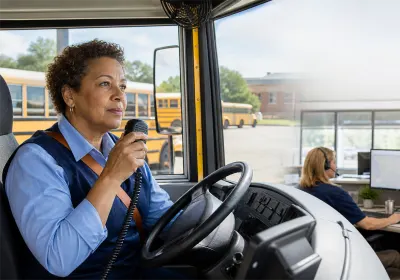

What Happens When a School Bus Catches Fire — and What Can Help
School bus fires are rare but can be devastating. Learn how advances in fire suppression and asset protection help fleets detect fires earlier, reduce damage, and improve safety.
Read More →
Geotab Launches Tool to Help Fleets Investigate Road Incidents
Geotab Investigations combines telematics data, video, documents, and other evidence to help fleets reconstruct incidents, resolve claims, and determine what happened.
Read More →
Texas Sixth Grader Wins 2026 National School Bus Safety Poster Contest
Sai Darshana Yekolu of Moseley Middle School in Prosper, Texas, was named the newest winner for her artwork, bringing the theme of “Safe Rides, Everyday Heroes” to life.
Read More →
Sponsored•August 27, 2026
Doing More With Less: How Transportation Directors Can Prioritize Safety Amid Budget Uncertainty
With diesel prices soaring and nearly one-third of transportation directors expecting budget cuts, maintaining student safety has never been more challenging. Download this guide to learn how leading districts are prioritizing risk, funding critical safety technology, and building stronger budget cases with data.
Read More →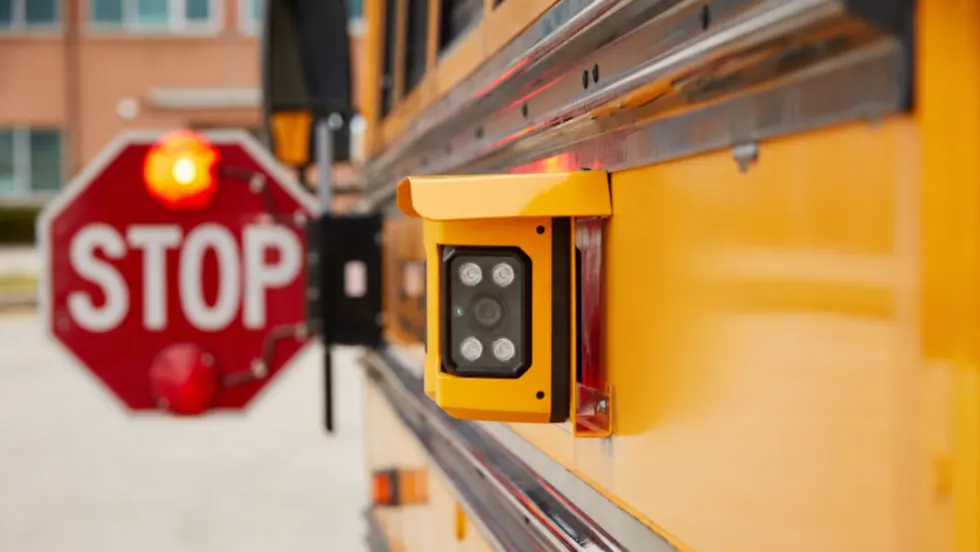
Walton County Schools Adds Gatekeeper Stop-Arm Enforcement System
The Florida district will deploy Gatekeeper’s updated Student Protector technology, which now incorporates AI to improve video evidence.
Read More →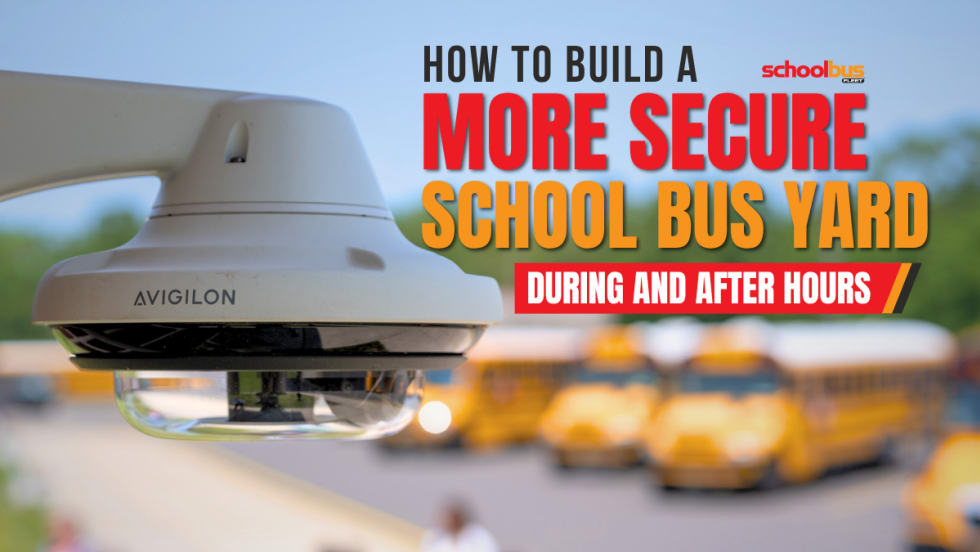
How To Build a More Secure School Bus Yard During and After Hours
As thefts and overnight security threats continue, school transportation leaders are combining stronger operational practices with AI-enabled surveillance to better protect buses, facilities, and staff.
Read More →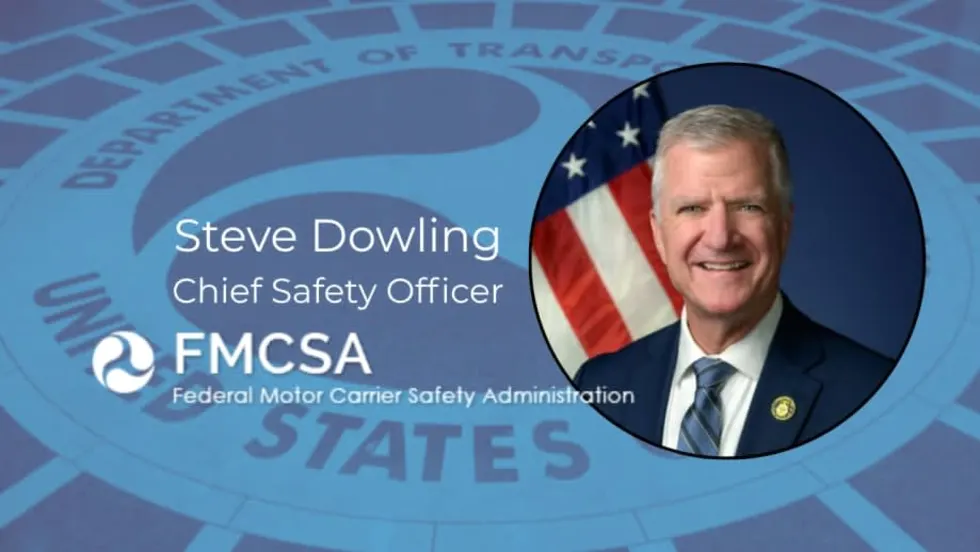
FMCSA Names New Chief Safety Officer: What School Bus Operators Should Know
Steve Dowling is set to lead the federal agency's efforts to advance commercial motor vehicle safety and reduce crashes, fatalities, and injuries on the nation's roadways.
Read More →