




NHTSA Administrator Nominee Narrowly Clears Senate Committee
Heidi King, President Trump’s pick to lead NHTSA, moves closer to confirmation. She is currently the agency’s deputy administrator.

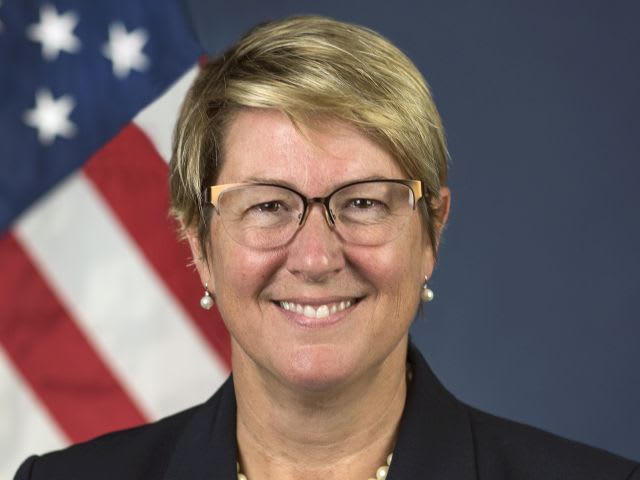
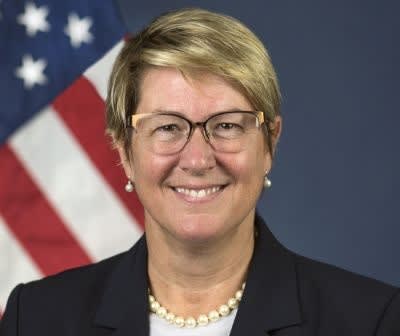
Heidi King, President Trump’s nominee to lead NHTSA, has served as the agency’s deputy administrator since September. Photo courtesy NHTSA
WASHINGTON, D.C. — Heidi King, President Trump’s pick to lead the National Highway Traffic Safety Administration (NHTSA), moved closer to confirmation on Wednesday when she narrowly cleared a Senate committee.
The Committee on Commerce, Science, and Transportation voted 14-13 to approve King’s nomination, which now advances to the full Senate for a confirmation vote.
King has served as deputy administrator of NHTSA since September. Her experience in Washington also includes serving as chief economist for the House Committee on Energy and Commerce and as a regulatory policy analyst in the White House’s Office of Management and Budget from 1998 to 2000 and from 2007 to 2011. In those roles, she became familiar with NHTSA and its work on Corporate Average Fuel Economy, according to her official NHTSA bio.
King has also worked in the private sector, for such companies as Telcordia Technologies, Pfizer Pharmaceuticals, and GE Capital. She reportedly gained experience in traffic safety and emergency response as a California state park ranger and as a volunteer emergency medical technician.
NHTSA has been without an administrator since Mark Rosekind stepped down before Trump took office in January 2017. The president nominated King for the post in April, but her Senate committee vote was postponed after a hearing in May, apparently due to Democrats’ dissatisfaction with her stances on the Takata air bag recall and car emission standards.
Now, having cleared the Senate Committee on Commerce, Science, and Transportation, King will face a confirmation vote by the full Senate. It is unclear at this point when that vote will take place. As Safety+Health magazine pointed out, other safety agency leadership nominees have typically waited at least a few months for a Senate confirmation vote after gaining committee approval.
Safety+Health magazine is published by the National Safety Council, which has expressed its support for King’s nomination to lead NHTSA.
“King’s leadership experience and commitment to safety are much needed at a time when motor vehicle crashes are killing more than 100 people per day in the United States,” the National Safety Council said in a press release in April. “King understands the importance of proven prevention strategies combined with forward-thinking innovation as we take aim at this everyday killer.”
The Detroit News noted that no Democrats in the Senate Committee on Commerce, Science, and Transportation voted in favor of King, but she is expected to win support in the full Senate from the majority-holding Republicans.
More Safety

Doing More With Less: How Transportation Directors Can Prioritize Safety Amid Budget Uncertainty
With diesel prices soaring and nearly one-third of transportation directors expecting budget cuts, maintaining student safety has never been more challenging. Download this guide to learn how leading districts are prioritizing risk, funding critical safety technology, and building stronger budget cases with data.
Read More →
How To Build a More Secure School Bus Yard During and After Hours
As thefts and overnight security threats continue, school transportation leaders are combining stronger operational practices with AI-enabled surveillance to better protect buses, facilities, and staff.
Read More →
FMCSA Names New Chief Safety Officer: What School Bus Operators Should Know
Steve Dowling is set to lead the federal agency's efforts to advance commercial motor vehicle safety and reduce crashes, fatalities, and injuries on the nation's roadways.
Read More →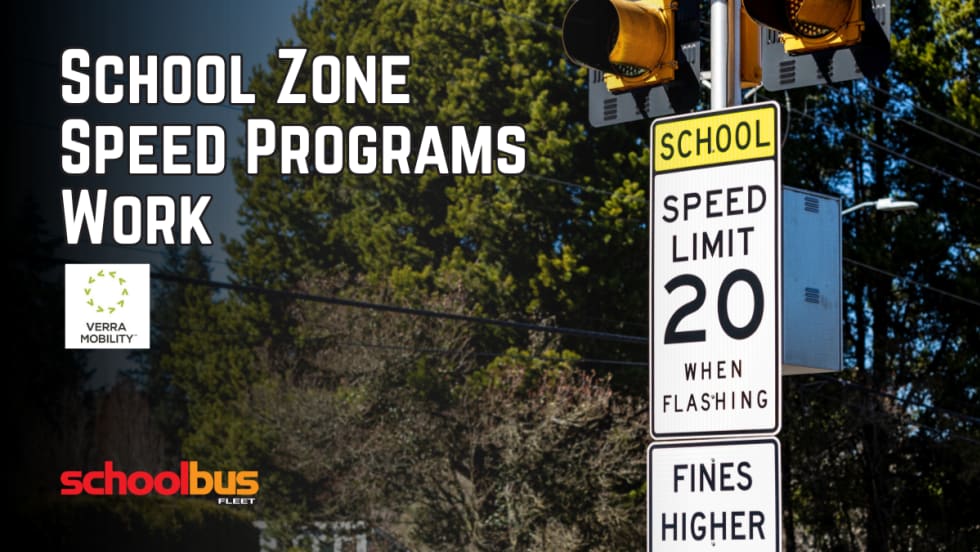
New Study Finds School Zone Speed Safety Cameras Cut Speeding Violations 97%
A Florida university's research demonstrates that Verra Mobility's automated enforcement changes driver behavior and significantly improves school zone safety.
Read More →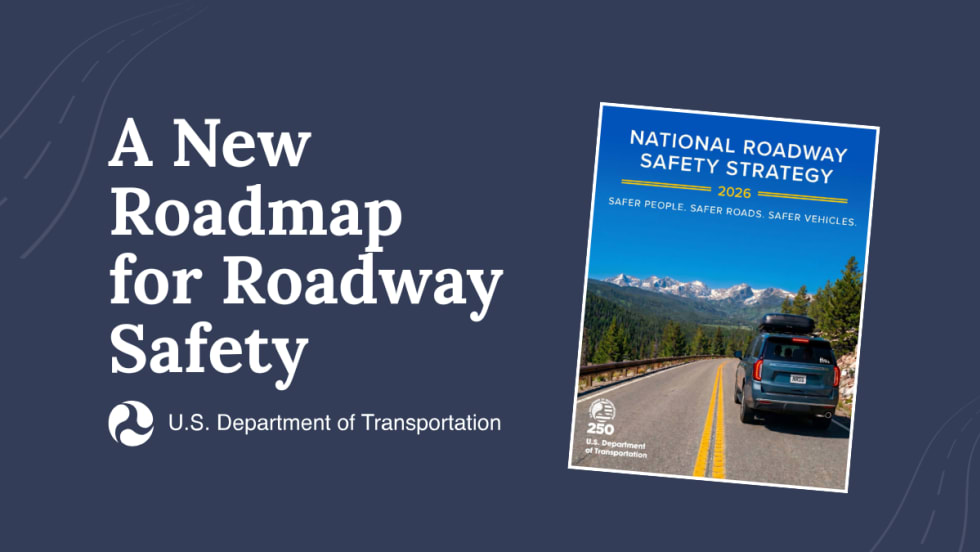
What Changed in DOT’s New National Roadway Safety Strategy?
The federal agency's new plan shifts its focus to safer people, roads and vehicles, with a new three-pronged approach instead of five. One outlined action even addresses a key industry concern around illegal school bus passing.
Read More →
Are Autonomous Vehicles Ready to Safely Navigate School Bus Stops?
NHTSA is accelerating autonomous vehicle deployment through new safety standards and commercial approvals. See why school transportation leaders are watching.
Read More →
NFL Star Lomas Brown Kicks Off New Illegal School Bus Passing PSA
Just in time for the back-to-school season, the former Detroit Lions offensive tackle took time to record a video encouraging motorists to slow down around school buses.
Read More →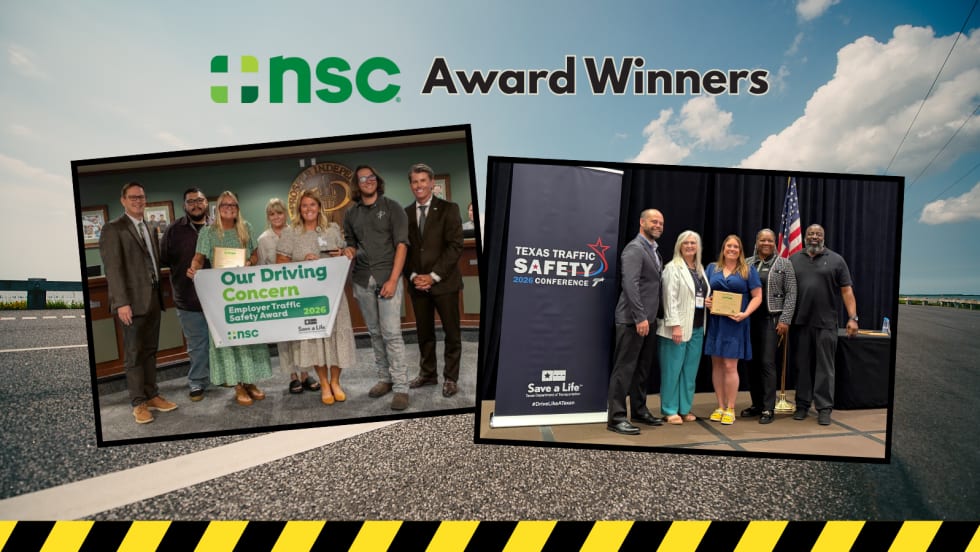
How Two Texas Districts Built Award-Winning Safety Programs
Learn how Prosper ISD and Rockwall ISD earned National Safety Council honors through hands-on training, safety culture, and strategies that reduced transportation incidents.
Read More →
NHTSA Releases 10-Year Review of Fatal School Bus Crashes
The latest federal analysis reinforces the safety of school buses while identifying where school-age pedestrians and other motorists remain most at risk.
Read More →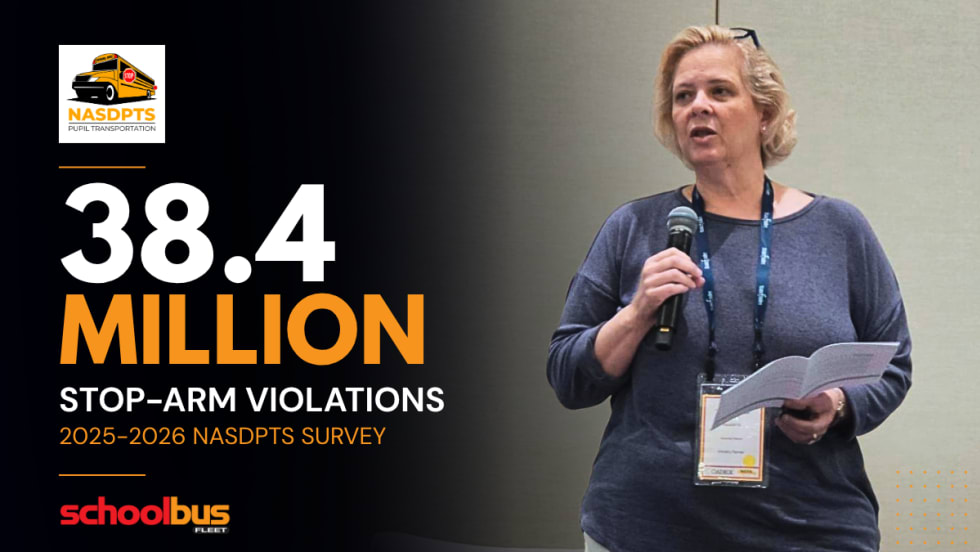
2026 NASDPTS Survey: Data Shows Further Reduction of Illegal Passing
New data is in! School bus stop-arm passings are down to 38.4 million violations per year, about a 2.3% decrease from last school year — but passings on the right side of the bus are higher than ever.
Read More →