




New York Bills Would Tighten Drug and Alcohol Testing for School Bus Drivers
The New York Association for Pupil Transportation supports the legislation, which responds to instances of school bus driver DUIs.

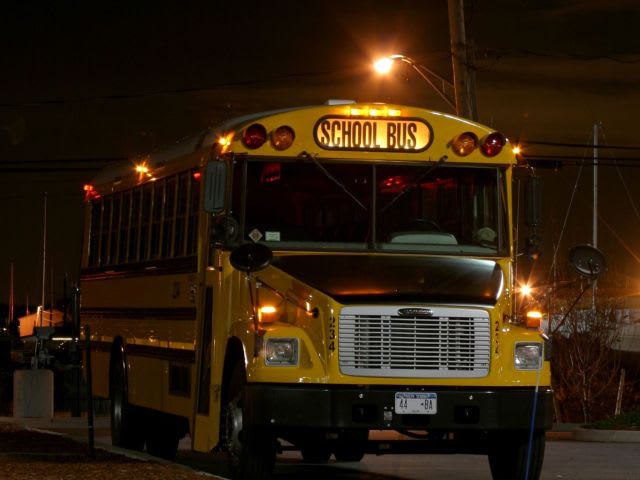
New York lawmakers are again considering bills that would bolster drug and alcohol testing for school bus drivers. File photo by Barry Johnson
New York lawmakers are again considering bills that would bolster drug and alcohol testing for school bus drivers. File photo by Barry Johnson
ALBANY, N.Y. — State lawmakers are again considering bills that would bolster drug and alcohol testing for school bus drivers in New York.
The New York Association for Pupil Transportation (NYAPT) signaled its support of the legislation. While current federal and state laws mandate random drug and alcohol testing for school bus drivers, NYAPT has pointed to technical issues with the test regimen and has called for improvements.
Corresponding bills S2587 and A208 would bring about multiple changes, including:
• School districts and contractors would have to immediately report to the New York State Department of Motor Vehicles if a school bus driver fails a pre-employment or random drug and alcohol test.
• A driver who fails a test would be disqualified from driving a school bus for one year.
• School districts and contractors would have to conduct pre-employment and random drug and alcohol testing on all drivers, regardless of commercial driver's license (CDL) endorsement. NYAPT noted that this would cover drivers of smaller school transportation vehicles with a Class C CDL, which aren’t included under the federal testing laws.
• All such drivers would have to be included in the random testing pool.
• Drivers would not be allowed to operate a school bus within eight hours of consuming alcohol (an increase from six hours).
The companion bills, both of which were introduced last year but failed to pass, have been revived and referred to the transportation committees in the New York Assembly and Senate.
Assemblywoman Donna Lupardo, a sponsor of the legislation, has targeted drug and alcohol testing as far back as 2013. The proposals respond to instances of school bus driver DUIs in New York.
Pupil transportation officials, including NYAPT, have called for measures to close the gaps in testing and make the rules more stringent for school bus drivers.
“This legislation originated with the school bus industry as we looked for ways to police ourselves and to ensure we did not have to explain to the parents and the public why a bus driver had been given the keys to drive a school bus in a compromised condition,” NYAPT Executive Director Peter Mannella said. “That should never happen.”
NYAPT President Lori-Ann Savino, director of transportation for Jericho (N.Y.) School District, said that the bills from Assemblywoman Lupardo and Sen. Carl Marcellino would boost parents’ confidence in pupil transporters.
“School bus drivers do amazing work to keep our children safe each and every day of the school year. We trust them with our children, and day after day, they earn that trust,” Savino said. “This legislation helps us and helps them [assure] all the moms and dads that our children continue to be on the safest ride to school.”
Also on the drug and alcohol testing front, NYAPT is offering its members training in the federally regulated “reasonable suspicion” protocol, which helps in identifying drivers who might be impaired. NYAPT said that the training provides tools for recognizing the signs of drugs or alcohol that could affect the safe performance of a driver.
More Safety

How to Build a Better School Bus Driver Training Program
Is it time to strengthen your driver training? Here’s how to pick the right talent and improve recruitment, retention, and safety. This video is brought to you by IC Bus.
Read More →
Recent School Bus Accidents Leave 2 Dead, 2 Injured
Four school bus crashes in Florida, Illinois, and Georgia highlight risks in transportation lots, at bus stops, and during student loading and unloading.
Read More →
When Every Second Matters, Clarity Keeps Routes Moving
From routine delays to urgent incidents, strong communication practices help drivers, dispatchers, schools, and families respond with confidence.
Read More →

What Happens When a School Bus Catches Fire — and What Can Help
School bus fires are rare but can be devastating. Learn how advances in fire suppression and asset protection help fleets detect fires earlier, reduce damage, and improve safety.
Read More →
Geotab Launches Tool to Help Fleets Investigate Road Incidents
Geotab Investigations combines telematics data, video, documents, and other evidence to help fleets reconstruct incidents, resolve claims, and determine what happened.
Read More →
Texas Sixth Grader Wins 2026 National School Bus Safety Poster Contest
Sai Darshana Yekolu of Moseley Middle School in Prosper, Texas, was named the newest winner for her artwork, bringing the theme of “Safe Rides, Everyday Heroes” to life.
Read More →
Doing More With Less: How Transportation Directors Can Prioritize Safety Amid Budget Uncertainty
With diesel prices soaring and nearly one-third of transportation directors expecting budget cuts, maintaining student safety has never been more challenging. Download this guide to learn how leading districts are prioritizing risk, funding critical safety technology, and building stronger budget cases with data.
Read More →
Walton County Schools Adds Gatekeeper Stop-Arm Enforcement System
The Florida district will deploy Gatekeeper’s updated Student Protector technology, which now incorporates AI to improve video evidence.
Read More →
How To Build a More Secure School Bus Yard During and After Hours
As thefts and overnight security threats continue, school transportation leaders are combining stronger operational practices with AI-enabled surveillance to better protect buses, facilities, and staff.
Read More →
FMCSA Names New Chief Safety Officer: What School Bus Operators Should Know
Steve Dowling is set to lead the federal agency's efforts to advance commercial motor vehicle safety and reduce crashes, fatalities, and injuries on the nation's roadways.
Read More →