




New Study Analyzes School Bus Fires
The report, commissioned by FMCSA, sheds light on the frequency and common causes of fires in school buses and motorcoaches.

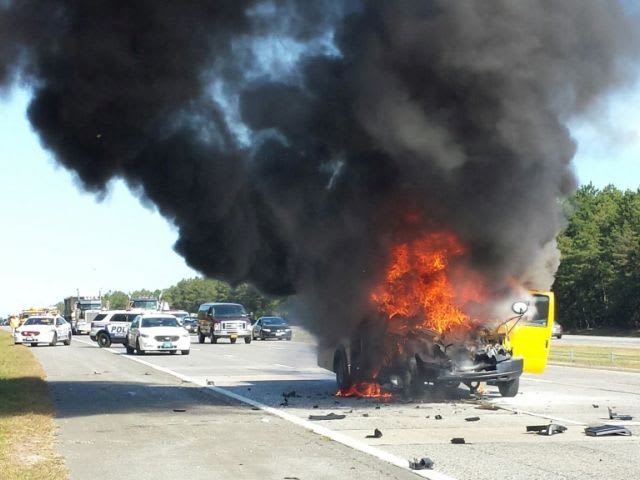
A report commissioned by FMCSA sheds light on the frequency and common causes of fires in school buses and motorcoaches.
NYPD
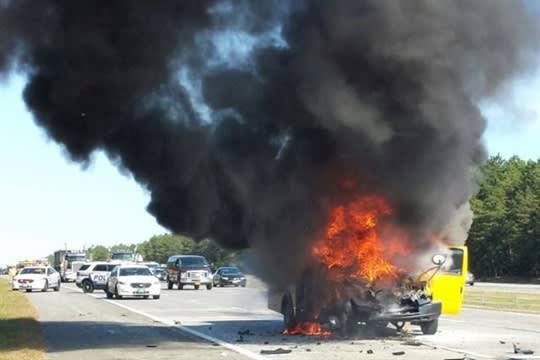
A report commissioned by FMCSA sheds light on the frequency and common causes of fires in school buses and motorcoaches. Photo courtesy NYPD
A new report commissioned by the U.S. government sheds light on the frequency and common causes of fires in school buses and motorcoaches.
The study, titled “Motorcoach and School Bus Fire Safety Analysis,” was conducted by the John A. Volpe National Transportation Systems Center for the Federal Motor Carrier Safety Administration (FMCSA).
Researchers compiled data on school bus and motorcoach fire incidents from 2004 to 2013, then analyzed the data with the goal of identifying trends and common factors that characterize fire safety risks in these types of vehicles.
According to the Volpe study, most motorcoach and school bus fires start in the engine area, running gear, or wheel area of the vehicle. For the incidents in which the area of origin was known, 68% of school bus fires originated in one of those areas, and in “a significant number” of those fires, an electrical wire was cited as the first item to have been ignited.
In the incidents that Volpe analyzed, the most frequent cause of ignition was failure of equipment or heat source.
Another noteworthy finding was that, “Unlike motorcoach fires, a significant number of school bus fires were classified as intentional,” the report says.
The researchers found that school bus fires in the U.S. occur slightly more than daily, while motorcoach fires occur slightly less than daily. For both types of vehicles, there was a general downward trend in fire frequency over the 10-year period of the study.
The report also gives an assessment of the results of the fires.
“Deaths and injuries resulting from motorcoach or school bus fires are rare, but can be severe in worst-case scenarios,” the report says. “The vast majority of the reported fires resulted in no direct injuries or fatalities, and the average reported property damage per incident was a fraction of the total cost of the vehicle.”
In the report, Volpe makes recommendations to FMCSA and the industry in several areas: data quality; operational training and outreach; vehicle design and equipment development; and inspection and enforcement standards.
Find the full study report here.
Fredrik Rosen, a marketing manager at RISE Research Institutes of Sweden, provides an overview of the Volpe report and related fire safety topics in an article posted on LinkedIn.
“The Volpe report … emphasizes that the analysis and conclusions in the study continue to highlight a significant opportunity to measure and improve the safety of motorcoach and school bus operations throughout the United States,” Rosen wrote. “It is clear that passenger-carrier fire safety is an important subject that warrants continued attention and increasing cooperation.”
More Safety
School's Back. Here's What Happened to Traffic, Speeding & Distraction
What happens to traffic when school resumes? New data analysis examines changes in distracted driving, congestion, and speeding around schools.
Read More →
Geotab Expands Fleet Safety Tools With Video Coaching, Risk Insights
New safety and video capabilities aim to help fleet managers assess risk, support drivers, and take targeted action through video coaching, red-light violation detection, and more.
Read More →
How to Build a Better School Bus Driver Training Program
Is it time to strengthen your driver training? Here’s how to pick the right talent and improve recruitment, retention, and safety. This video is brought to you by IC Bus.
Read More →

Recent School Bus Accidents Leave 2 Dead, 2 Injured
Four school bus crashes in Florida, Illinois, and Georgia highlight risks in transportation lots, at bus stops, and during student loading and unloading.
Read More →
When Every Second Matters, Clarity Keeps Routes Moving
From routine delays to urgent incidents, strong communication practices help drivers, dispatchers, schools, and families respond with confidence.
Read More →
What Happens When a School Bus Catches Fire — and What Can Help
School bus fires are rare but can be devastating. Learn how advances in fire suppression and asset protection help fleets detect fires earlier, reduce damage, and improve safety.
Read More →
Geotab Launches Tool to Help Fleets Investigate Road Incidents
Geotab Investigations combines telematics data, video, documents, and other evidence to help fleets reconstruct incidents, resolve claims, and determine what happened.
Read More →
Texas Sixth Grader Wins 2026 National School Bus Safety Poster Contest
Sai Darshana Yekolu of Moseley Middle School in Prosper, Texas, was named the newest winner for her artwork, bringing the theme of “Safe Rides, Everyday Heroes” to life.
Read More →
Doing More With Less: How Transportation Directors Can Prioritize Safety Amid Budget Uncertainty
With diesel prices soaring and nearly one-third of transportation directors expecting budget cuts, maintaining student safety has never been more challenging. Download this guide to learn how leading districts are prioritizing risk, funding critical safety technology, and building stronger budget cases with data.
Read More →
Walton County Schools Adds Gatekeeper Stop-Arm Enforcement System
The Florida district will deploy Gatekeeper’s updated Student Protector technology, which now incorporates AI to improve video evidence.
Read More →