



NCST committee gears up for 2010
RENO, Nev. — The National Congress on School Transportation (NCST) Steering Committee met in late July to process interim amendments to the National ...

RENO, Nev. — The National Congress on School Transportation (NCST) Steering Committee met in late July to process interim amendments to the National School Transportation Specifications and Procedures (NSTSP) and to plan the 2010 Congress.
The committee took the following significant actions:
It outlined services and arrangements for holding the next Congress at the University of Central Missouri (formerly CMSU) in Warrensburg, Mo., in May 2010. The committee expects to finalize the specific dates and arrangements for the Congress at its next meeting in October.
The committee drafted updates to the Congress’ Manual of Operating Procedures that will be finalized in October. These updates include the following:
• The schedule of activities from 2007 to 2010.
• The process adopted by the Steering Committee last year for interim amendments to the NSTSP, including the form for requesting an interpretation or amendment.
• Revisions to the organizational chart of committees. The primary structural changes were to integrate the School Bus Chassis, Body and Alternative Fuels Writing Committees into one School Bus Specifications Committee; to reclassify as regular, standing committees the former special committees for School Transportation Security and Emergency Preparedness and School Activity Transportation; and, to form a new committee to identify innovative practices, procedures, products, and technological improvements, as required by Resolution 7 from the 2005 NSTSP. As its first assignment, the Innovations committee will be directed to consider the issues surrounding digital displays within view of school bus drivers.
The committee approved needed technical corrections to the 2005 NSTSP document, based on the recorded actions of the delegates. These items included prohibiting towing of trailers or other vehicles by school buses transporting students and correcting the diagram showing the placement of the white roof and retroreflective markings on school buses. The revised NSTSP was to be posted to www.NCSTOnline.org.
The committee activated the interim amendments process announced last year. It will forward the following requests it received to writing committees for research and recommendations: a policy on required school bus service and walking distances to and from schools and bus stops; a prohibition of the use of cell phones by school bus drivers while in transit, except in emergencies; and, required placement of powered door actuation switches. One interim amendment was finalized to allow battery box slide trays that incorporate an integrated door. The revised NSTSP will include this amendment.
The committee reviewed the status of the 2005 NSTSP Resolutions and the remaining follow-through actions that are needed. The Steering Committee completed required actions on resolutions dealing with driver seat-integrated lap/shoulder belts, seat back height, rub rails, school bus definitions, wheelchair WC-19 data collection, under-ride on school buses, encouraging and chronicling innovation in school transportation, engine compartment fire protection, school bus security, and lap/shoulder belts in school buses with a GVWR of 10,000 pounds or less.
“I am encouraged that we are building on the efforts we began last year to look at all of the NCST processes and procedures with fresh eyes,” said Pete Baxter, chairman of the Steering Committee. “We are continually improving the way we adopt the specifications and procedures to increase their value to users.”
The next meeting of the Steering Committee will be Oct. 29 in Grand Rapids, Mich. Persons interested in the 15th National Congress on School Transportation are encouraged to visit www.ncstonline.org. For more information, call Baxter at (317) 232-0891, or e-mail him at pbaxter@doe.state.in.us.
More Safety
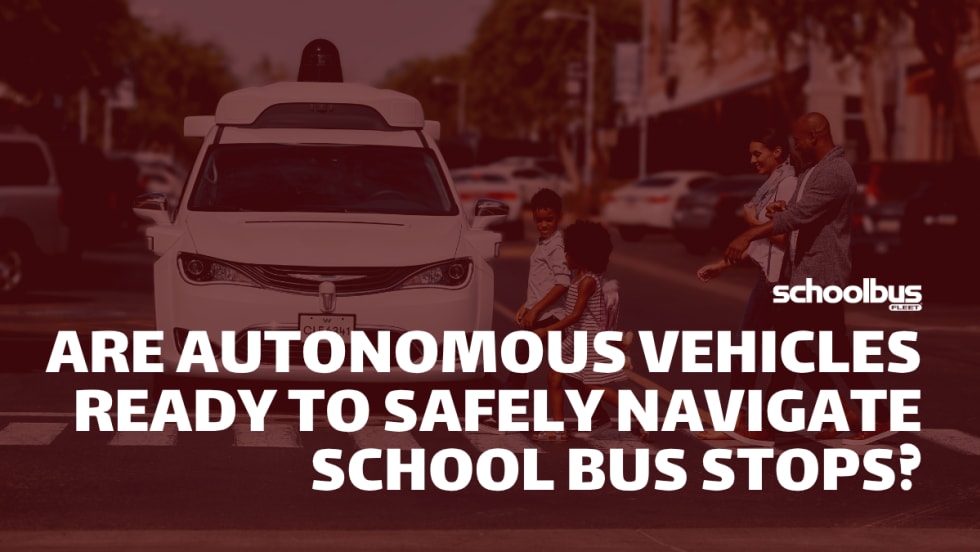
Are Autonomous Vehicles Ready to Safely Navigate School Bus Stops?
NHTSA is accelerating autonomous vehicle deployment through new safety standards and commercial approvals. See why school transportation leaders are watching.
Read More →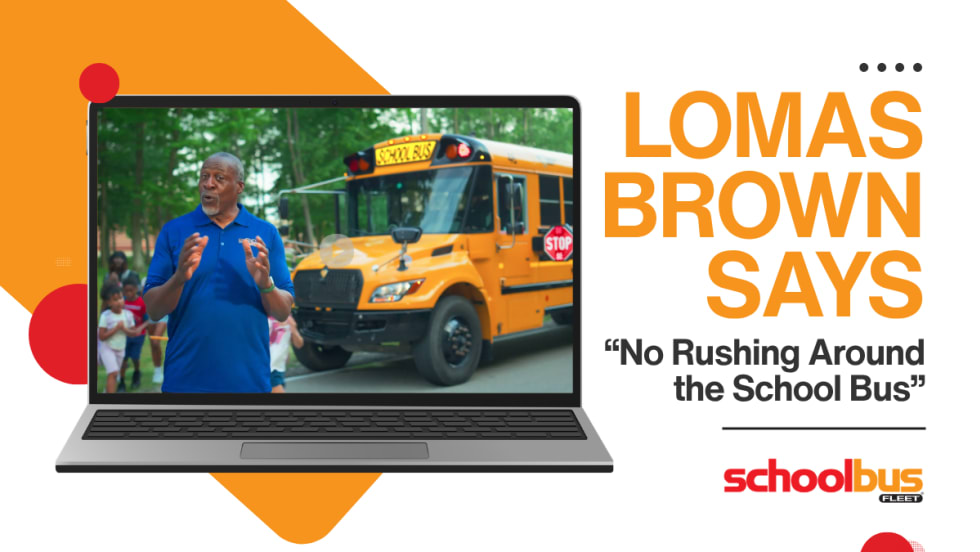
NFL Star Lomas Brown Kicks Off New Illegal School Bus Passing PSA
Just in time for the back-to-school season, the former Detroit Lions offensive tackle took time to record a video encouraging motorists to slow down around school buses.
Read More →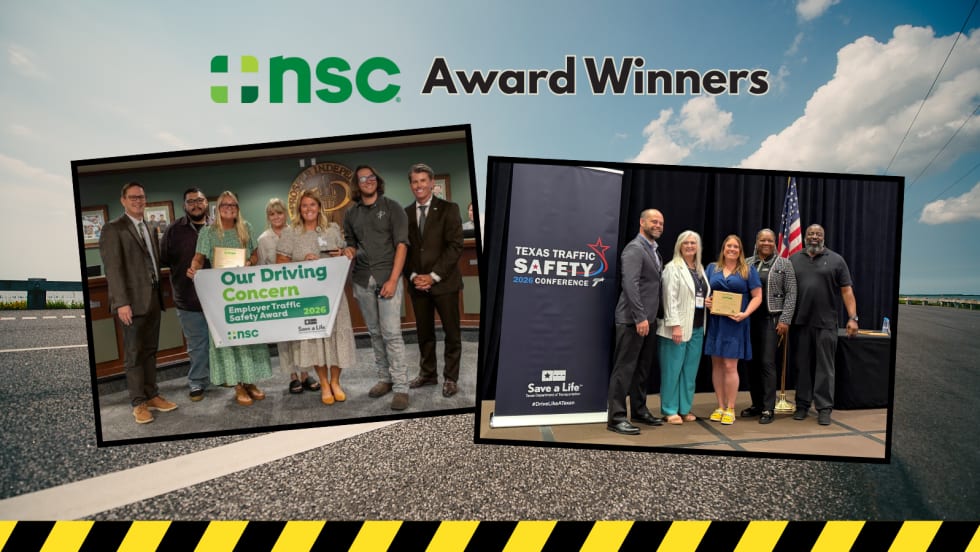
How Two Texas Districts Built Award-Winning Safety Programs
Learn how Prosper ISD and Rockwall ISD earned National Safety Council honors through hands-on training, safety culture, and strategies that reduced transportation incidents.
Read More →
NHTSA Releases 10-Year Review of Fatal School Bus Crashes
The latest federal analysis reinforces the safety of school buses while identifying where school-age pedestrians and other motorists remain most at risk.
Read More →
2026 NASDPTS Survey: Data Shows Further Reduction of Illegal Passing
New data is in! School bus stop-arm passings are down to 38.4 million violations per year, about a 2.3% decrease from last school year — but passings on the right side of the bus are higher than ever.
Read More →
Another School Bus Fatality Reported in Monsey, New York
A 7-year-old girl died after being struck by a school bus in Rockland County, New York while crossing the street. Here's what we know.
Read More →
NSTA Announces 2026 School Bus Driver International Safety Competition Winners
Drivers from across the U.S. and Canada showcased their safety and driving skills, with two defending champions successfully retaining their titles.
Read More →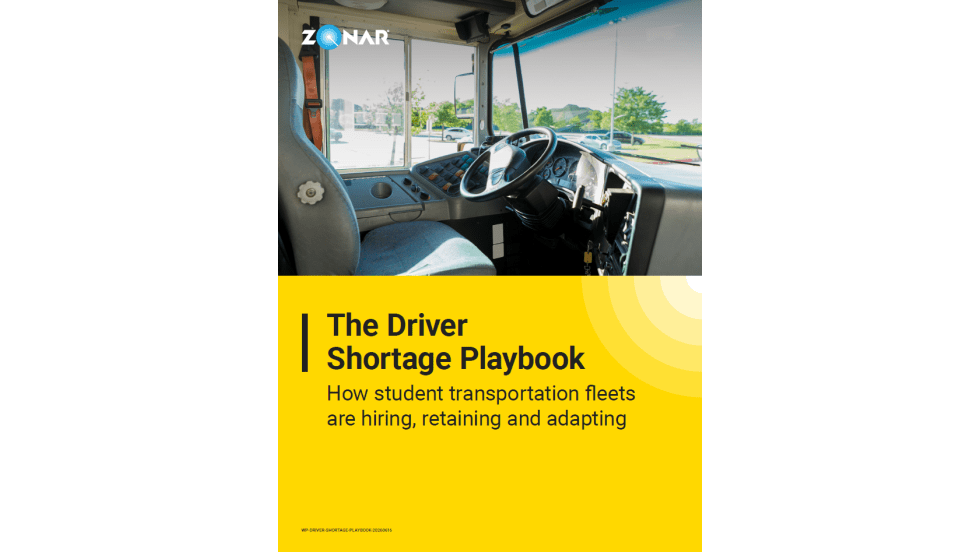
The Driver Shortage Playbook
Driver shortages are still a major challenge for student transportation fleets, but the real issue has shifted. It’s no longer just about filling seats quickly. It’s about finding safe, reliable drivers who meet performance expectations and want to stay. The Driver Shortage Playbook covers why traditional recruitment tactics are falling short and how school fleets are adapting with smarter hiring, stronger retention strategies and a greater focus on driver quality.
Read More →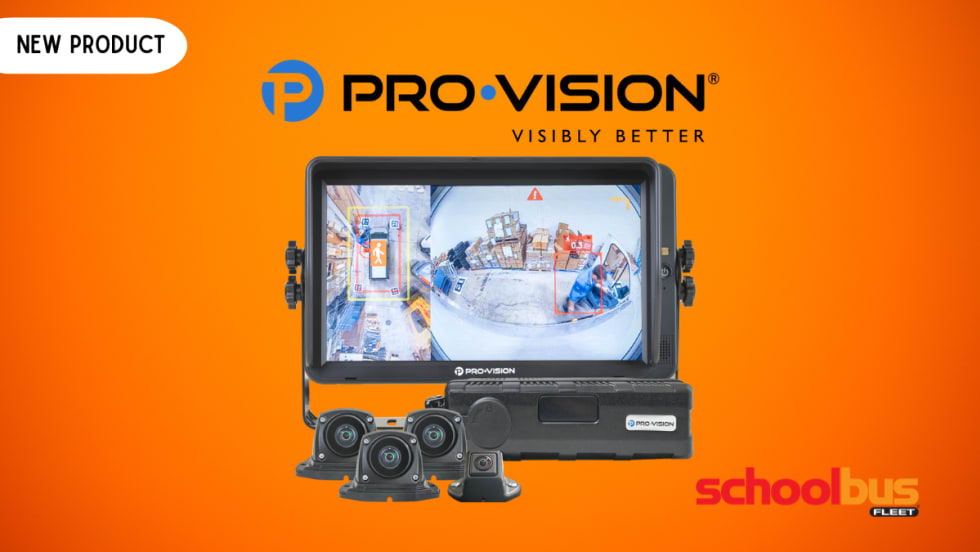
Pro-Vision Launches AI-Powered 360° Camera System
The new Birdseye camera delivers real-time AI-based pedestrian and vehicle detections, full visibility around the bus, and telematics integrations.
Read More →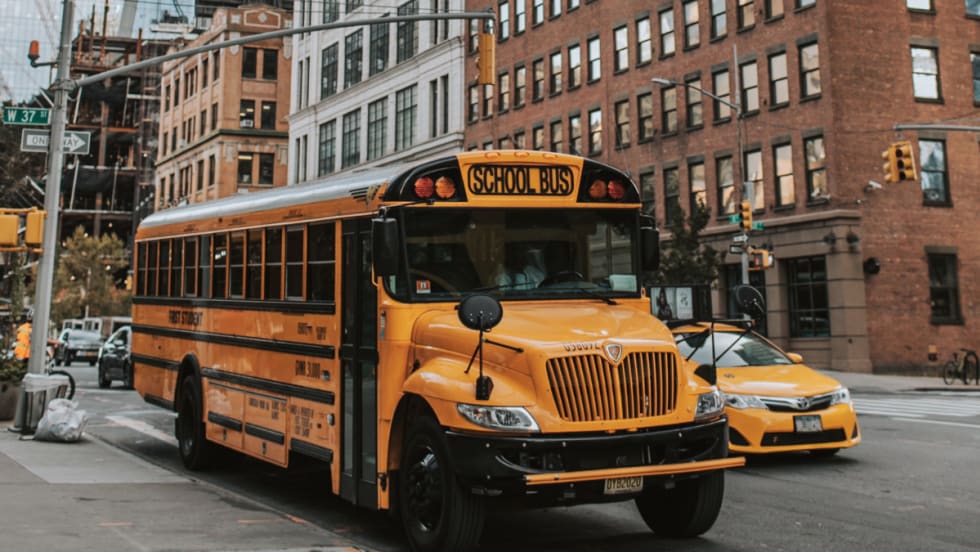
N.Y. & N.J. Coalitions Call for Modernized Transportation for Vulnerable Students
New statewide coalitions in New York and New Jersey are urging lawmakers to expand student transportation options for vulnerable students amid ongoing driver shortages.
Read More →