




Fit for Duty: Training, Education Protect Pupil Transportation Against National Drug Abuse Spike
NASDPTS Conference: What Does Marijuana Have to Do with Pupil Transportation?
A lot, a student transportation industry expert explained. Most Americans have access to marijuana, and decriminalization of the drug is on several November ballots, making it relevant now more than ever.

Christy Grimes・Former Senior Editor
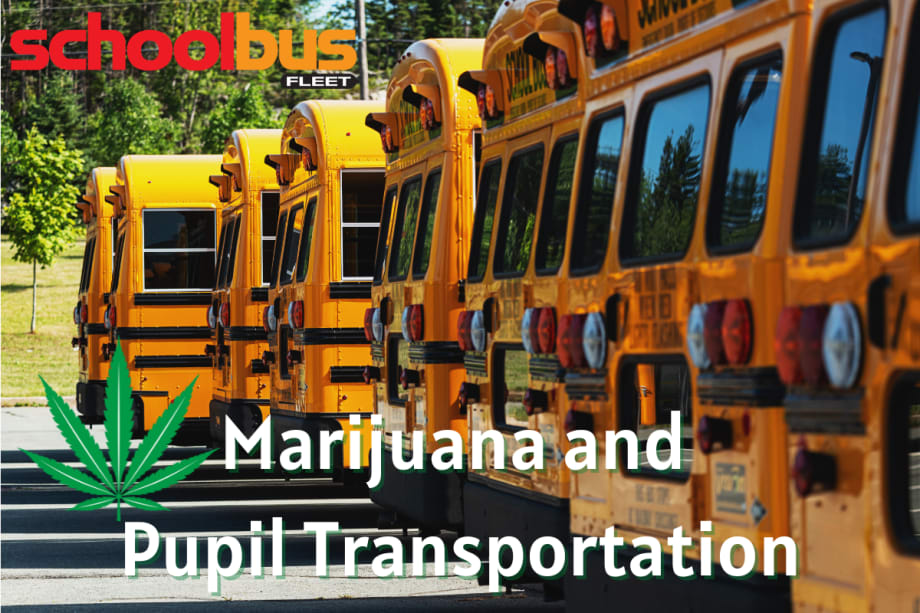
School bus drivers are not allowed to use marijuana recreationally or medicinally, according to the U.S. Department of Transportation.
Photo: Canva/School Bus Fleet
4 min to read
Ten years ago, California and Colorado became the first states in the country to legalize marijuana for recreational use. But that doesn’t mean school bus drivers are okay to use it. In school districts that enroll drivers in random drug screening, this can be problematic.
Held to a Higher Standard
School bus drivers have an important role for a student’s day-to-day life: not just transporting them to and from school — but doing so safely. Using marijuana products can jeopardize their ability to make the safest decision when they are behind the wheel, said Chris Ellison, transportation manager for Oregon's David Douglas School District and State Transportation Association Council (STAC) chair for the National Association of State Directors of Pupil Transportation Services (NASDPTS) at the organization’s 54th Annual Conference.
“If people still don't understand what a safety-sensitive position school bus driving is…in the transportation industry, we are held to a higher standard simply because of the responsibility that we have, in and around student safety,” Ellison explained.
The same concerns about recreational use also apply to medicinal use because it’s still a Schedule 1 controlled substance under federal law. The U.S. Department of Transportation’s (DOT) Drug and Alcohol Testing Regulation – 49 CFR Part 40, at 40.151(e) – does not authorize “medical marijuana” under a state law to be a valid medical explanation for a transportation employee’s positive drug test result, according to a 2019 brief from the agency. This means medical review officers will not verify a drug test as negative, even if a physician recommended the employee use medical marijuana.
“It remains unacceptable for any safety‐sensitive employee subject to drug testing under the Department of Transportation’s drug testing regulations to use marijuana,” the brief continued.
Using so-called “full-spectrum” formulations of cannabidiol (CBD) products can also cause users to test positive on a drug screen, according to Quest Diagnostics Drug Monitoring.
Marijuana Legalization
Marijuana use — both recreational and medicinal — is legal for adults over the age of 21 in 19 states and Washington, D.C. It is legal solely for medicinal use in 38 states and Washington, D.C. Twelve states have yet to decriminalize marijuana, but some have reforms to change this on November ballots. The bottom line, Ellison said, is that most Americans have access to marijuana.
What Happens When Drivers Test Positive?
When a driver tests positive on a drug screen, or refuses one, their employer is required to immediately remove them from performing safety-sensitive functions, according to the DOT. Drivers will not be permitted to return to their DOT regulated safety-sensitive functions until they have:
Undergone an evaluation by a Substance Abuse Professional (SAP). Employers must provide employees with a list of SAPs they can use;
Successfully completed any course, counseling or treatment prescribed by the SAP prior to returning to service;
Undergone a follow up evaluation by the same SAP to determine the driver’s compliance with their recommendations; AND
Provided a breath and/or urine specimen that tests negative for drugs and/or alcohol prior to returning to DOT regulated safety-sensitive functions.
Drivers will also be subject to unannounced follow-up testing for drugs and/or alcohol at least six times during the first 12 months of active service, with the possibility of unannounced testing for up to 60 months (as prescribed by the SAP). The return-to-duty and follow-up drug tests will be conducted under direct observation.
Test results for random drug screens are confidential. However, a positive test as a result of a major incident like a crash may be reported publicly by law enforcement agencies, resulting in reporting of the results by the local news media, Ellison explained.
An employer may release the results in the case of certain situations like legal proceedings or grievances but must notify the driver in writing when testing records are released.
As of January 2020, FMCSA requires employers to report drug and alcohol violations to the Drug and Alcohol Clearinghouse. It also requires employers to check with the Clearinghouse about prospective employees to verify there are no violations before performing safety-sensitive functions, as well as check with the Clearinghouse on current employees at least once a year.
Marijuana and Pupil Transportation: Educational Resources Available
In 2016, Ellison and a team of other pupil transportation leaders made a training video for school districts in Oregon to illustrate the effects marijuana use by bus drivers can have. That video will be made available to NASDPTS members on the organization’s website after they have logged in. State directors can distribute the videos as they see fit to their local districts.
Find resources from the DOT’s Office of Drug & Alcohol Policy & Compliance by clicking here.
More Safety

How to Build a Better School Bus Driver Training Program
Is it time to strengthen your driver training? Here’s how to pick the right talent and improve recruitment, retention, and safety. This video is brought to you by IC Bus.
Read More →
Recent School Bus Accidents Leave 2 Dead, 2 Injured
Four school bus crashes in Florida, Illinois, and Georgia highlight risks in transportation lots, at bus stops, and during student loading and unloading.
Read More →
Sponsored•September 8, 2026
When Every Second Matters, Clarity Keeps Routes Moving
From routine delays to urgent incidents, strong communication practices help drivers, dispatchers, schools, and families respond with confidence.
Read More →

What Happens When a School Bus Catches Fire — and What Can Help
School bus fires are rare but can be devastating. Learn how advances in fire suppression and asset protection help fleets detect fires earlier, reduce damage, and improve safety.
Read More →
Geotab Launches Tool to Help Fleets Investigate Road Incidents
Geotab Investigations combines telematics data, video, documents, and other evidence to help fleets reconstruct incidents, resolve claims, and determine what happened.
Read More →
Texas Sixth Grader Wins 2026 National School Bus Safety Poster Contest
Sai Darshana Yekolu of Moseley Middle School in Prosper, Texas, was named the newest winner for her artwork, bringing the theme of “Safe Rides, Everyday Heroes” to life.
Read More →
Sponsored•August 27, 2026
Doing More With Less: How Transportation Directors Can Prioritize Safety Amid Budget Uncertainty
With diesel prices soaring and nearly one-third of transportation directors expecting budget cuts, maintaining student safety has never been more challenging. Download this guide to learn how leading districts are prioritizing risk, funding critical safety technology, and building stronger budget cases with data.
Read More →
Walton County Schools Adds Gatekeeper Stop-Arm Enforcement System
The Florida district will deploy Gatekeeper’s updated Student Protector technology, which now incorporates AI to improve video evidence.
Read More →
How To Build a More Secure School Bus Yard During and After Hours
As thefts and overnight security threats continue, school transportation leaders are combining stronger operational practices with AI-enabled surveillance to better protect buses, facilities, and staff.
Read More →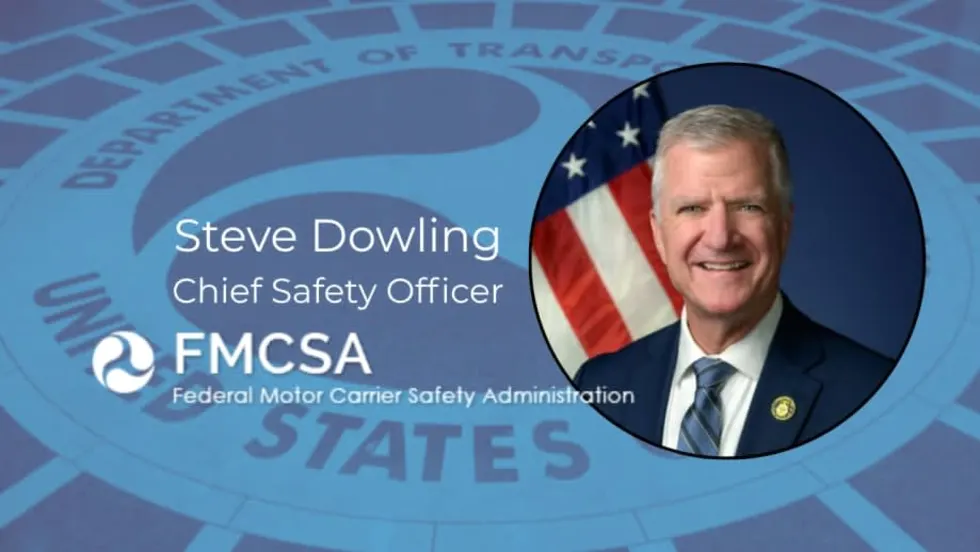
FMCSA Names New Chief Safety Officer: What School Bus Operators Should Know
Steve Dowling is set to lead the federal agency's efforts to advance commercial motor vehicle safety and reduce crashes, fatalities, and injuries on the nation's roadways.
Read More →