




NAPT developing enhanced security training
The association conducted a safety and security survey, which provided insight into school bus operations' current security-related training and procedures, as well as what they want more of. Executive Director Mike Martin discusses the survey results and how NAPT is using them to develop specific training.

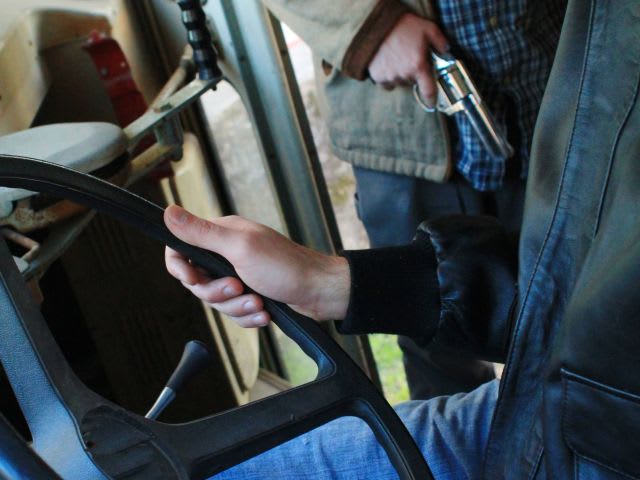
A new survey by NAPT gives insight into school bus operations' security-related training and procedures.
With results of a recent survey showing that many school transportation professionals want more guidance on active shooters and other security threats, the National Association for Pupil Transportation (NAPT) is working on new resources specific to school bus security.
NAPT's safety and security survey gave the association insight into school bus operations' current security-related training and procedures, as well as what they may need more of.
Mike Martin, executive director of NAPT, told SBF that the project began in the wake of the Newtown, Conn., school shooting in December, and then it took on added urgency when Alabama school bus driver Charles Poland was shot and killed the following month.
"We've done a lot to make school buses safer, but clearly we need to do something more," Martin said. "We have to be open to new ideas, explore new technologies and re-examine the things we do."
The association put together a steering committee for the security project and recruited volunteers to help determine the course of action. The consensus for the best first step: ask people what they need.
A comprehensive security survey was sent out to NAPT members, and 500 responded.
Martin said that one of the key findings is that many pupil transportation officials want to bolster their security-related training. When asked whether they feel that their operation's safety/security awareness training is adequate, 43% of respondents said "no" and 25% said "not sure."
Also, survey responses indicated a need for more specific procedures that should be followed in the case of an active shooter or other violent encounter.
"They want to know what we should do if we're ever in that situation," Martin said. "And, more important, what we can do to avoid being in that situation."
Martin noted that a commonly recommended response to shooting attacks is "run, hide, fight," but he said that the logistics of that approach have to be considered for the school bus environment.
"In a school bus, how do you run and where do you hide?" he said. "We need to adapt that — what do we literally do?"
To that end, NAPT is working to develop a training program that would be short but very specific about logistics and tactics. The program would only take around 15 minutes, with the idea being that it would be practiced frequently.
"The approach would be more like fire drill training," Martin said. "If you do something that's 10 or 15 minutes long several times per year, you're going to be more prepared."
The survey results will also be used in developing security-related content for this fall's NAPT Summit in Grand Rapids, Mich.
A few highlights from the survey are presented in this PDF.
More Management

EverDriven Launches Route Consolidation Calculator to Estimate Diesel Savings
As diesel prices hit record highs, the largest alternative transportation provider says a 10% route consolidation could save a 120-route district more than $78,000 a year in fuel alone.
Read More →
Zum Secures Continued Financing Support for School Bus Expansion
Generate Private Credit has financed approximately $75 million in school bus deployments across three states, supporting more than 500 buses as Zum expands across the county.
Read More →
Beyond Discipline: A Different Approach to Student Behavior on the Bus
After implementing a dean of students program in Oregon, North Clackamas is seeing positive improvements. Here’s how it worked. The Route is brought to you by IC Bus.
Read More →
A Dean of Transportation's Different Approach to Student Behavior on the School Bus
After implementing a dean of students program in Oregon, North Clackamas is seeing positive improvements on the bus. Here’s how it worked.
Read More →
Inside NAPT ACTS 2026: Highlights from Louisville
From federal updates and student behavior strategies to new school bus technology and industry awards, see highlights from NAPT ACTS 2026 in Louisville.
Read More →
Meet the 2025 School Bus Driver Hero Winner: Annette Brown
We caught up with Wa-Nee Community Schools' Annette Brown on site at SBFX, where she was named the 2026 School Bus Driver Hero Award winner. Hear about her reaction, what she loves most about being a school bus driver, and more!
Read More →
Predictability Is Like Ketchup (According to 6-Year-Olds)
To students, a different school bus can feel like a full-blown crisis. One driver reflects on why familiar routines, showing up on time, and being reliably boring matter more than we think.
Read More →
Samsara Launches Free Driver Rewards Program
The new Driver Perks program gives eligible professional drivers access to discounts and offers without adding a cost for participating fleets.
Read More →
How Tax-Exempt Municipal Leases Can Help Finance School Buses
Let’s explore school bus financing options, including municipal leases, vendor payable accounts, and balloon payments, and how they can help stretch fleet budgets.
Read More →
Nominate Rising School Transportation Pros Under 40!
We’re searching for the next generation of leaders making an impact across the K-12 student transportation industry to recognize as SBF’s 2027 Trailblazers. Nominations are open now!
Read More →