




N.J. school bus seat belt law marks 15 years
TRENTON, N.J. — As the National Highway Traffic Safety Administration prepares to propose rulemaking on school bus seat belts, New Jersey’s law r...

TRENTON, N.J. — As the National Highway Traffic Safety Administration prepares to propose rulemaking on school bus seat belts, New Jersey’s law requiring belts on buses marked its 15th anniversary.
In conjunction with National Child Passenger Safety Week, state officials touted the law while urging school bus riders to always buckle up and asking parents to do the same in their own vehicles to reinforce the message.
The law mandates that school buses be equipped with either lap or lap-shoulder belts, and it requires children to wear them.
Pam Fischer, director of the New Jersey Division of Highway Traffic Safety, said that seat belts add to the protection provided by the design of school buses.
“The vehicle’s weight, coupled with compartmentalization and the use of safety belts, make school buses one of the safest ways to transport students to and from school and their extracurricular activities,” Fischer said.
A demonstration of the proper use of seat belts was held at Barley Sheaf Elementary School in Flemington. Kathy Scaturro, safety manager for Hunterdon Central/Flemington Raritan School Transportation, said that school bus safety starts at home.
“Parents can help younger children learn how to adjust the safety belt to fit them properly and remind them to buckle up as soon as they sit down on the bus,” Scaturro said. “Keeping students safe on and off the bus is everyone’s responsibility.”
More Safety
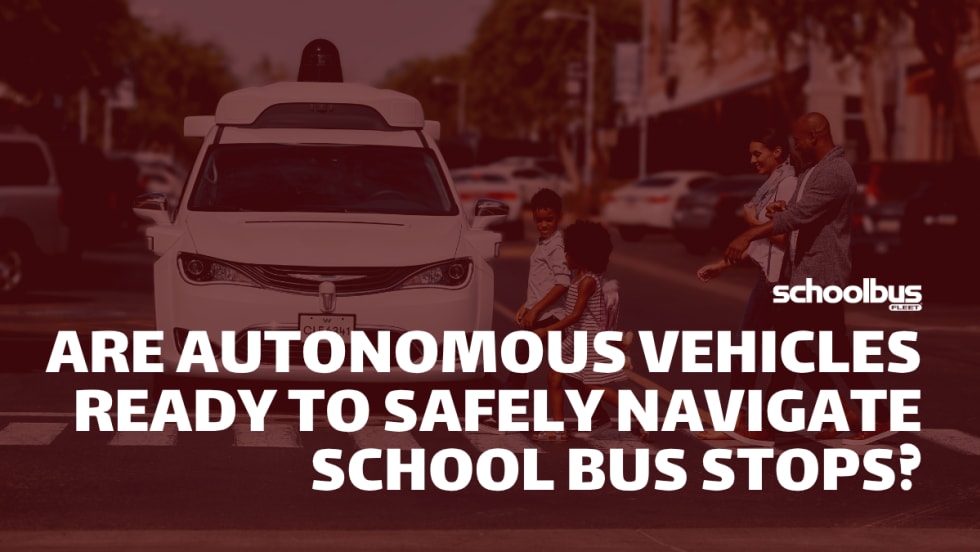
Are Autonomous Vehicles Ready to Safely Navigate School Bus Stops?
NHTSA is accelerating autonomous vehicle deployment through new safety standards and commercial approvals. See why school transportation leaders are watching.
Read More →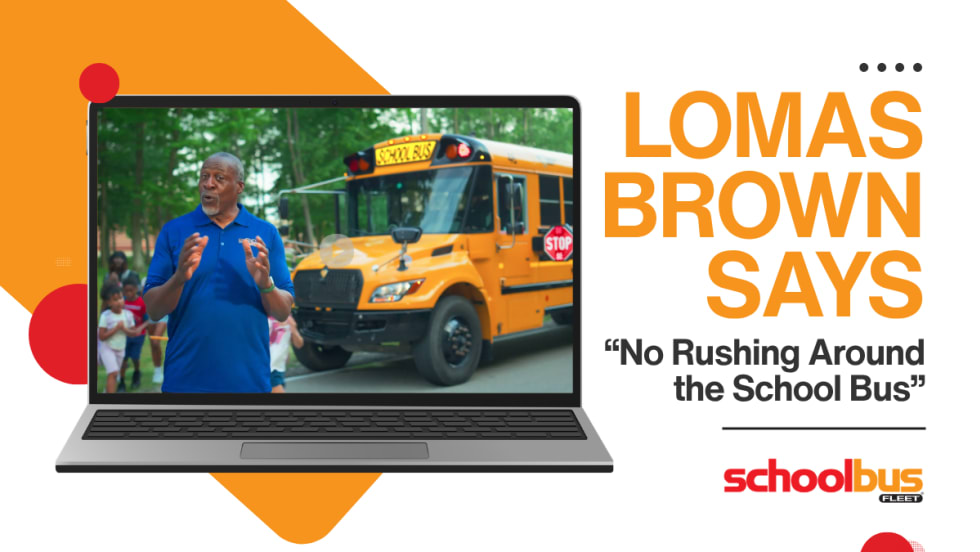
NFL Star Lomas Brown Kicks Off New Illegal School Bus Passing PSA
Just in time for the back-to-school season, the former Detroit Lions offensive tackle took time to record a video encouraging motorists to slow down around school buses.
Read More →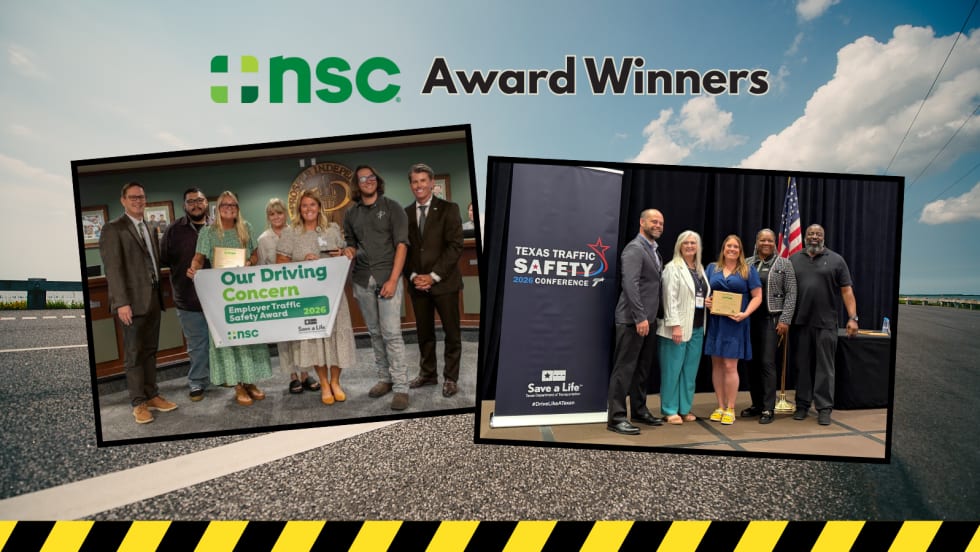
How Two Texas Districts Built Award-Winning Safety Programs
Learn how Prosper ISD and Rockwall ISD earned National Safety Council honors through hands-on training, safety culture, and strategies that reduced transportation incidents.
Read More →
NHTSA Releases 10-Year Review of Fatal School Bus Crashes
The latest federal analysis reinforces the safety of school buses while identifying where school-age pedestrians and other motorists remain most at risk.
Read More →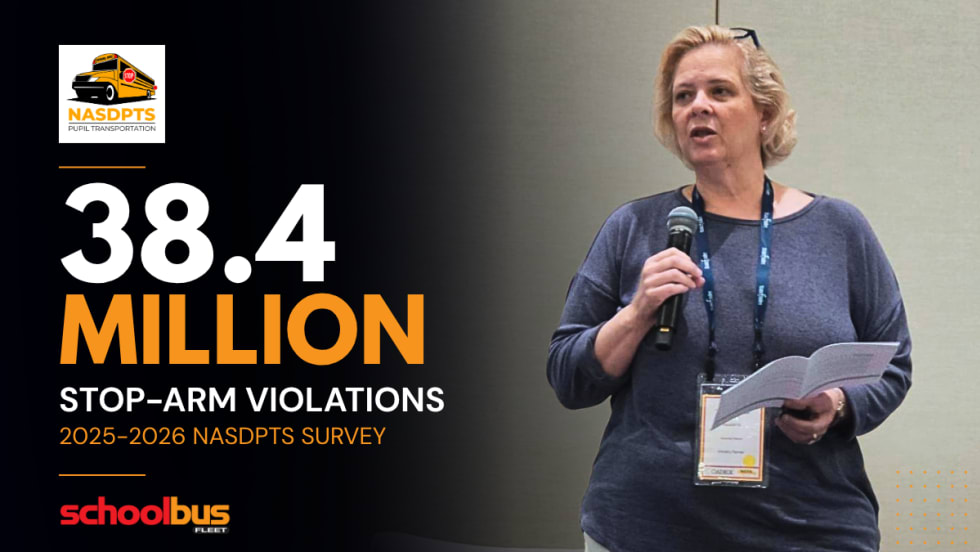
2026 NASDPTS Survey: Data Shows Further Reduction of Illegal Passing
New data is in! School bus stop-arm passings are down to 38.4 million violations per year, about a 2.3% decrease from last school year — but passings on the right side of the bus are higher than ever.
Read More →
Another School Bus Fatality Reported in Monsey, New York
A 7-year-old girl died after being struck by a school bus in Rockland County, New York while crossing the street. Here's what we know.
Read More →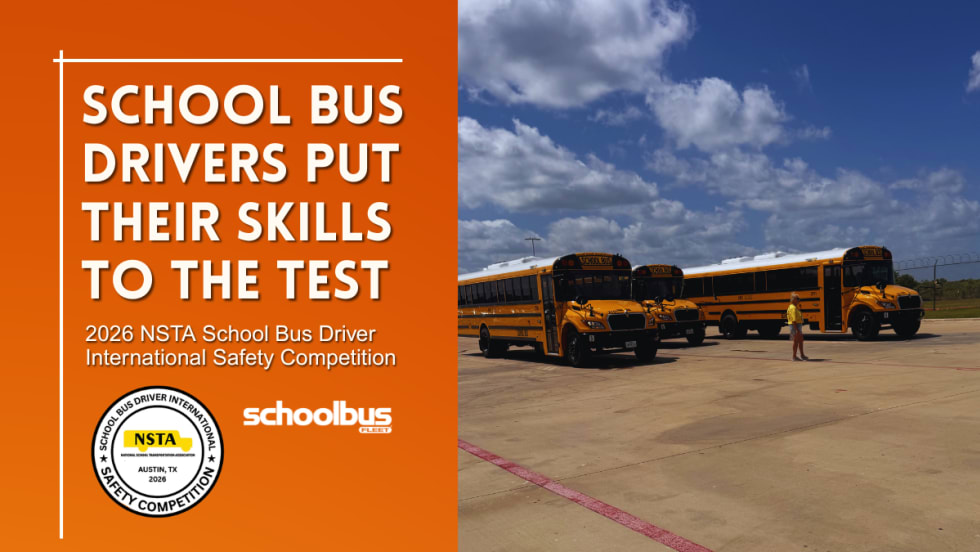
NSTA Announces 2026 School Bus Driver International Safety Competition Winners
Drivers from across the U.S. and Canada showcased their safety and driving skills, with two defending champions successfully retaining their titles.
Read More →
The Driver Shortage Playbook
Driver shortages are still a major challenge for student transportation fleets, but the real issue has shifted. It’s no longer just about filling seats quickly. It’s about finding safe, reliable drivers who meet performance expectations and want to stay. The Driver Shortage Playbook covers why traditional recruitment tactics are falling short and how school fleets are adapting with smarter hiring, stronger retention strategies and a greater focus on driver quality.
Read More →
Pro-Vision Launches AI-Powered 360° Camera System
The new Birdseye camera delivers real-time AI-based pedestrian and vehicle detections, full visibility around the bus, and telematics integrations.
Read More →
N.Y. & N.J. Coalitions Call for Modernized Transportation for Vulnerable Students
New statewide coalitions in New York and New Jersey are urging lawmakers to expand student transportation options for vulnerable students amid ongoing driver shortages.
Read More →