





Electric School Bus Roundtable: Patrick Gervais (The Lion Electric Co.)
Lion Electric Reports Increased Revenue, Lower Profits
The company, which builds all-electric medium- and heavy-duty vehicles - including school buses - reported delivery of 71 vehicles in the fourth quarter of 2021, compared to 46 during the same period in 2020.
February 25, 2022
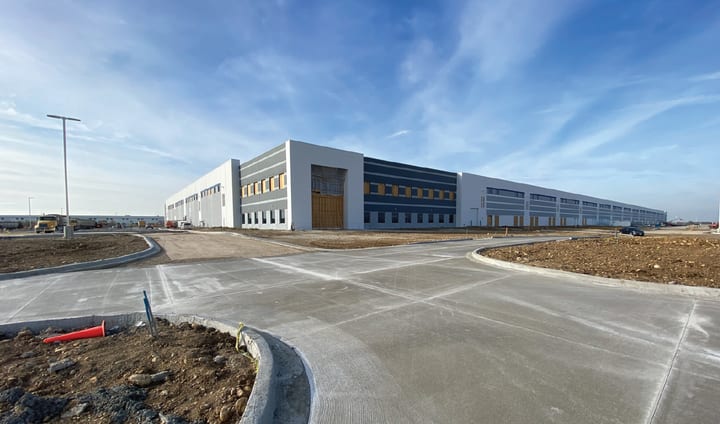
The new 900,000-square-foot facility in Joliet, Ill., is expected to start producing vehicles in the second half of 2022.
File photo
3 min to read
The Lion Electric Company (NYSE: LEV) this week announced its financial and operating results for the fourth quarter and fiscal year 2021, which ended on Dec. 31, 2021.
Highlights for Q4 included:
Delivery of 71 vehicles, an increase of 25 vehicles, as compared to the 46 delivered in the same period last year.
Revenue of $22.9 million, up $9.4 million, as compared to $13.5 million in Q4 2020.
Gross profit of $2.2 million, down $0.5 million, as compared to $2.5 million in Q4 2020.
Net earnings of $28.3 million in Q4 2021, as compared to a net loss of $53.0 million in Q4 2020. Net earnings for Q4 2021 include a $46.6 million gain related to non-cash decrease in the fair value of share warrant obligations and a $5 million charge related to non-cash share-based compensation, compared to a $31.9 million charge related to non-cash share-based compensation in Q4 2020.
Capital expenditures, which included expenditures related to the Joliet Facility and the Lion Campus, amounted to $19.2 million, up $18.3 million, as compared to $0.9 million in Q4 2020.
Acquisition of intangible assets, which mainly consist of R&D activities, amounted to $9.7 million, up $2.9 million, as compared to $6.8 million in Q4 2020.
As of Dec. 31, 2021, Lion had $241.7 million in cash, and access to a committed revolving credit facility in the maximum principal amount of $100 million (which maximum principal amount was increased to $200 million on Jan. 25, 2022), as well as available support from the Canadian federal and Quebec governments of up to approximately C$100 million (amounting to approximately C$50 million each) in connection with the Lion Campus.
"We are proud of the progress we have made during the last year, which marked, among other things, our transition to a public company," said Marc Bedard, CEO and founder of Lion Electric. "In addition to delivering vehicles across North America, we solidified our commanding leadership in all-electric school buses, continued to strengthen our order book in both buses and trucks, and advanced the development of additional vehicle platforms. We also started building our 900,000-square-foot, state-of-the-art manufacturing facility in Joliet, Illinois, which will eventually have the capacity to annually produce up to 20,000 Lion vehicles per year for the U.S. market. Additionally, we began the construction of the Lion Campus, which will house our 5 GhW battery plant and innovation center."
Other business updates in the report included:
More than 550 vehicles on the road, with over 9 million miles driven.
Vehicle order book of 2,325 all-electric medium- and heavy-duty urban vehicles as of Feb. 24, 2022, consisting of 300 trucks and 2,025 buses, representing a combined total order value of approximately $575 million based on management's estimates.
LionEnergy order book of 278 charging stations and related services as of Feb. 24, 2022, representing a combined total order value of approximately $3.0 million.
11 Experience Centers in operation in the United States and Canada
Construction advancing at the battery manufacturing plant and innovation center in Mirabel, Quebec, (the "Lion Campus") and the purchase of critical equipment for the battery plant has begun. Production of battery packs and modules expected to begin in the second half of 2022.
Launched LionCapital Solutions, a new division dedicated to providing customers with flexible financing solutions specifically tailored to the medium and heavy-duty electric vehicle market.
As of February 24, 2022, Lion had approximately 1,000 employees, of which approximately 300 were in its engineering and R&D departments.
More Alternative Fuels

CALSTART and Forth Combine to Form Catalyst Mobility
The new name represents a renewed vision for the nonprofit focused on advancing clean, equitable, and affordable transportation solutions that move people and goods.
Read More →
Alt-Fuel Moves: New Buses, Charging Hubs & Real-World EV Testing
Propane and electric school bus deployments continue to grow as districts add new vehicles, expand charging infrastructure, and gather more real-world operating data.
Read More →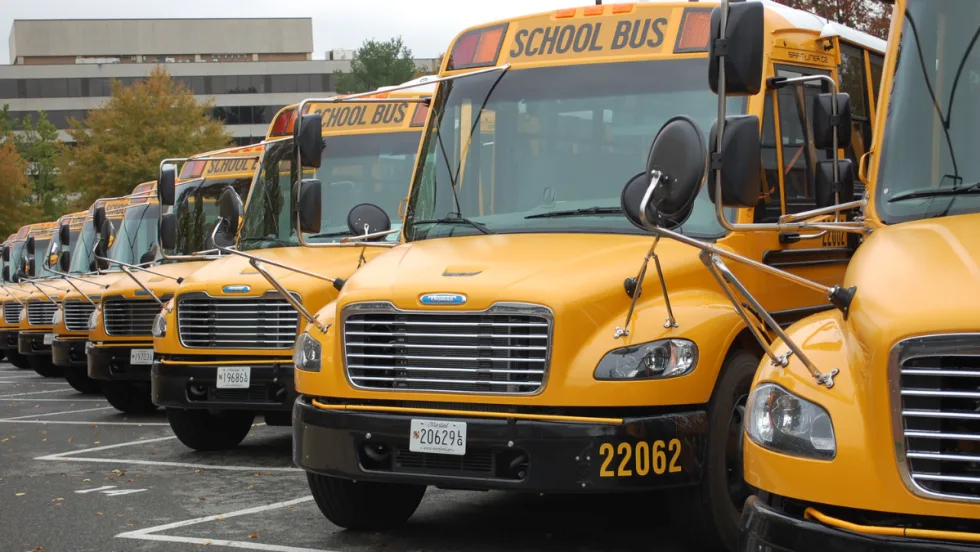
Fewer Electric School Bus Models Reshape the U.S. Market
WRI’s latest buyer’s guide points to a consolidating electric school bus market, but fewer options may reflect a maturing industry rather than fewer meaningful choices for school bus operators.
Read More →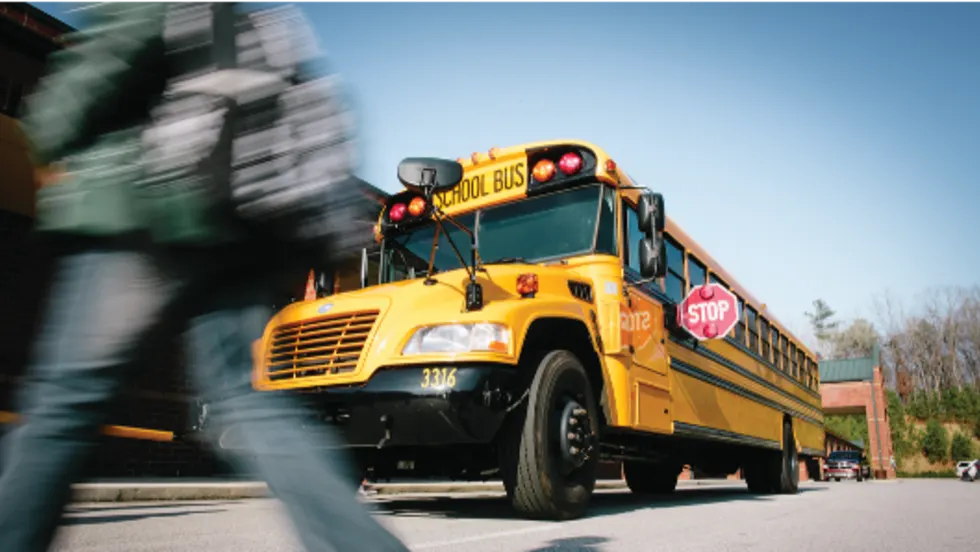
The Fuel Budget You Can Actually Predict: How Propane Autogas Keeps Money in the Classroom
Learn how propane autogas helps school districts manage fuel costs with predictable pricing, lower maintenance, and reduced emissions from former transportation director Joel Stutheit.
Read More →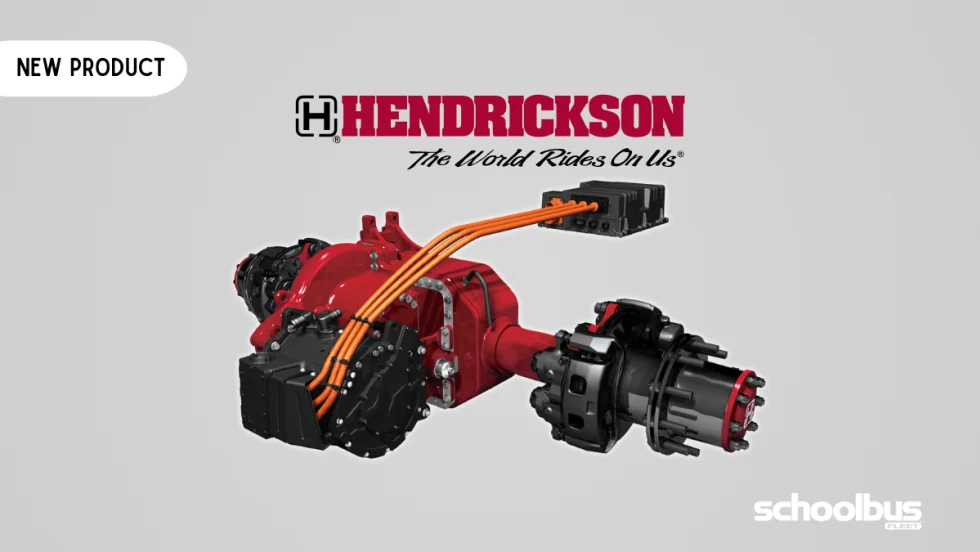
Hendrickson, Driventic Introduce New Electric Powertrain for School Buses
ELECTRAAX, the electrified, lightweight drive axle offers integrated ePowertrain efficiency and modular flexibility for Class 6–7 school bus use.
Read More →
The Mobility House Joins PowerFlex in Fleet Electrification Deal
The acquisition combines intelligent charging software, bidirectional charging expertise, and fleet electrification services to support the growing adoption of electric school buses across North America.
Read More →
Alt-Fuel Moves: Electric School Bus Investments Hit the Road
See which districts across the U.S. are putting electric school buses into service, expanding charging infrastructure, and planning the next phase of fleet electrification.
Read More →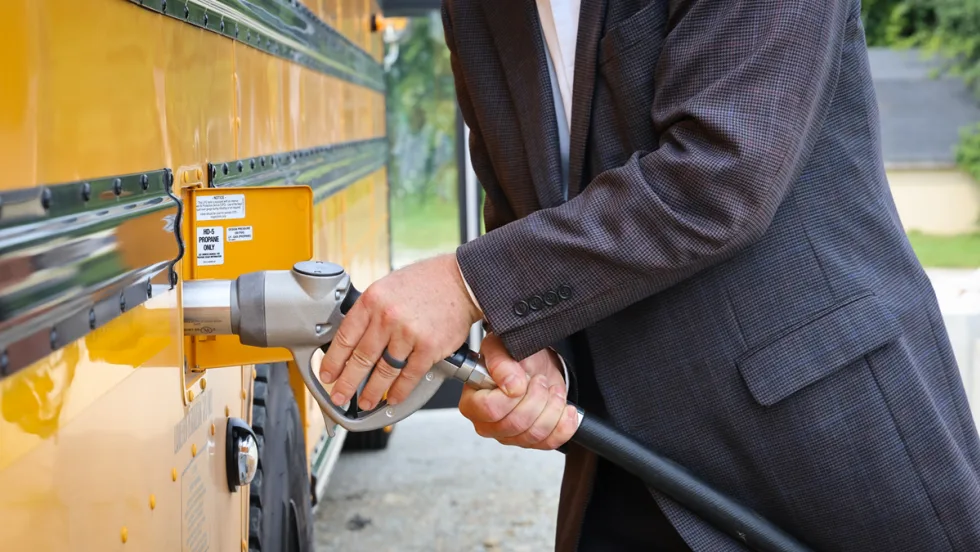
With Fuel Volatility Ahead, School Districts Turn to Propane
While diesel prices peaked above $5 this spring, districts with propane autogas-powered fleets paid under $2 per gallon, according to PERC.
Read More →
EPA Unveils Proposed Changes to 2027 Heavy-Duty Engine Rules
The federal agency has proposed changes to next year’s targets that would eliminate DEF derates, ease warranty requirements, and retain current NOx emissions standards.
Read More →
Alt-Fuel Moves: EV Charging & Infrastructure Projects Gain Momentum
The latest developments include new funding, charging infrastructure, utility investments, and fleet technologies designed to support the transition to electric school buses nationwide.
Read More →