




Law firm launches school bus safety campaign
Representing the family of Hunter Pitt, a 6-year-old who was run over by his school bus, led a personal injury law firm to create "Wait, Wait, Wait — 3 Ways to Keep Kids Safe.”

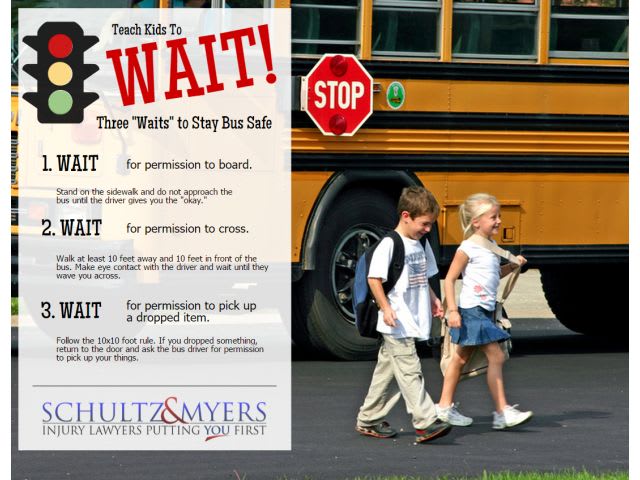
Representing the family of Hunter Pitt, who was run over by his school bus, led law firm Schultz & Myers to create a campaign called "Wait, Wait, Wait — 3 Ways to Keep Kids Safe.”
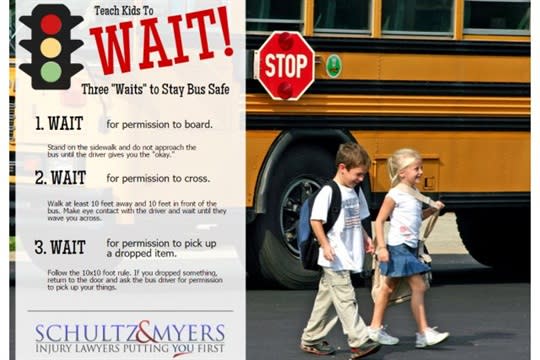
Representing the family of Hunter Pitt, who was run over by his school bus, led law firm Schultz & Myers to create a campaign called "Wait, Wait, Wait — 3 Ways to Keep Kids Safe.”
A new campaign to promote student safety around school buses comes from an unlikely place: a personal injury law firm.
St. Louis-based Schultz & Myers represented the family of Hunter Pitt, a 6-year-old boy in Missouri who was killed in 2011 when his school bus ran over him as he crossed in front.
Carolyn Hilliard, marketing director for Schultz & Myers, said that the case was “an emotional and arduous process,” and it prompted the firm to consider how it could help prevent incidents like this in the future.
Based on the firm’s research in litigating the Pitt case, Hilliard said, Schultz & Myers identified what everyone involved — the school bus driver, administrators and Hunter himself — could have done to help avoid the tragic outcome.
The result is a campaign called "Wait, Wait, Wait — 3 Ways to Keep Kids Safe.” The centerpiece of the effort is a simple graphic that conveys three “waits” for students to stay safe outside of the school bus:
1. Wait for permission to board. Stand on the sidewalk and do not approach the bus until the driver gives you the “okay.”
2. Wait for permission to cross. Walk at least 10 feet away and 10 feet in front of the bus. Make eye contact with the driver and wait until they wave you across.
3. Wait for permission to pick up a dropped item. Follow the 10x10 foot rule. If you dropped something, return to the door and ask the bus driver for permission to pick up your things.
“Unfortunately, we've seen the tragedies that result when bus safety takes a backseat to inattention,” said Joshua Myers, founding partner of Schultz & Myers. “But the dangers during loading and unloading can be virtually eliminated with these three simple safety rules.”
Schultz & Myers has been promoting the campaign on social media. Also, the partners travel at their own expense across Missouri to tell the Hunter Pitt story and to further educate drivers and administration about accident prevention.
The "Wait, Wait, Wait” graphic can be downloaded via this link. Schultz & Myers has also developed school bus safety educational materials for parents and children (go here and scroll down).
Interestingly, this is not the only safety program that has stemmed from the death of Hunter Pitt. The boy’s parents worked with the Missouri Association for Pupil Transportation, the Missouri Department of Elementary and Secondary Education and other state organizations to create a video that explains the accident and emphasizes the importance of school bus drivers staying focused.
More Safety
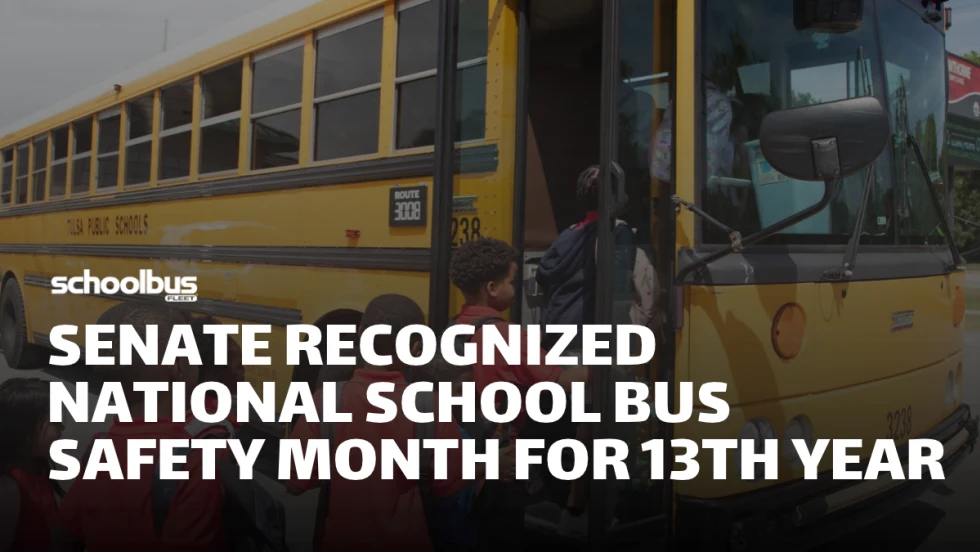
What the 2026 National School Bus Safety Month Resolution Means for Student Transportation
The bipartisan resolution highlights illegal school bus passing, student safety during loading and unloading, and the need for driver training and public education.
Read More →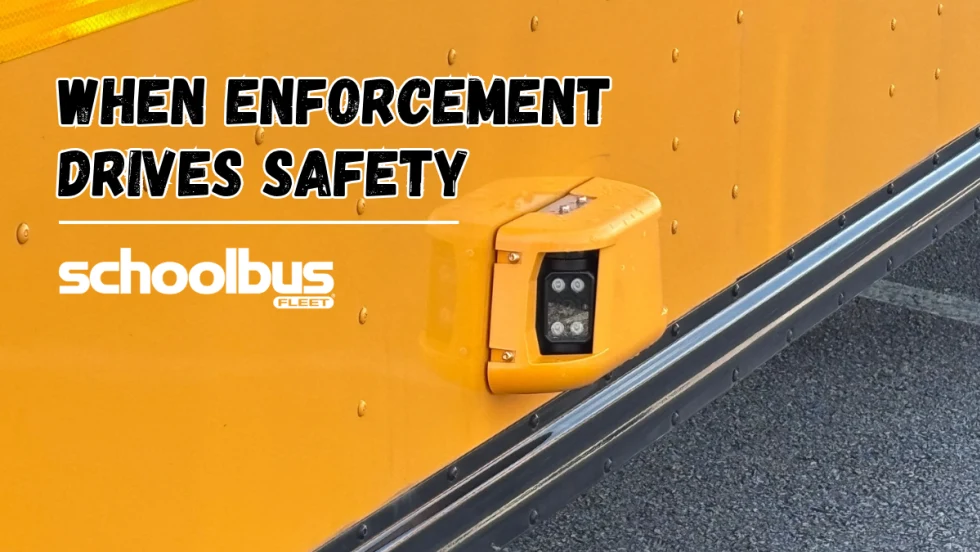
School Bus Stop-Arm Violations Decline 53% Across Verra Mobility Programs
Verra Mobility shares how school bus stop-arm cameras and school zone safety programs are changing driver behavior, reducing violations, and protecting students.
Read More →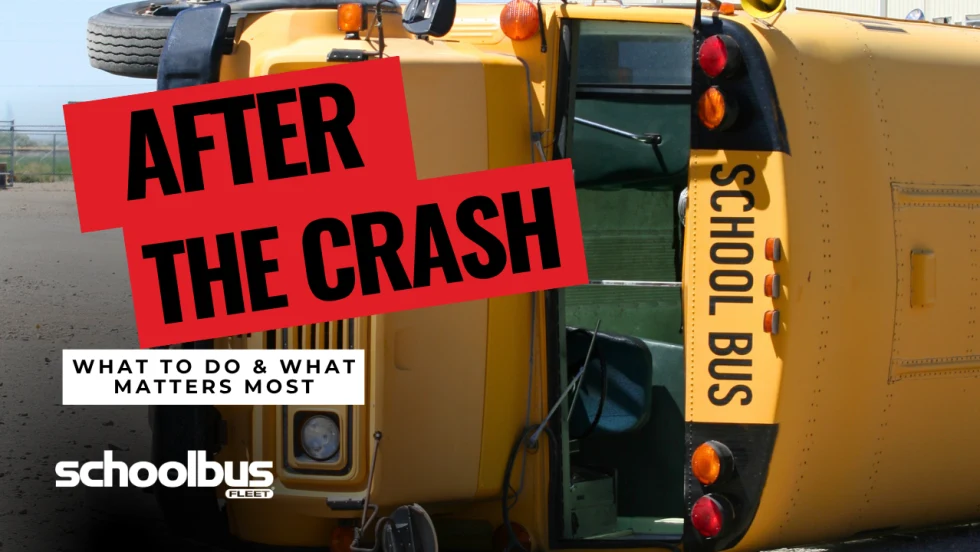
Most Bus Crashes Aren’t Your Fault. Here’s How to Prove It.
A guide for what to do in between a school bus crash and a claim: what to preserve, who to notify, and how to keep the facts available when they matter.
Read More →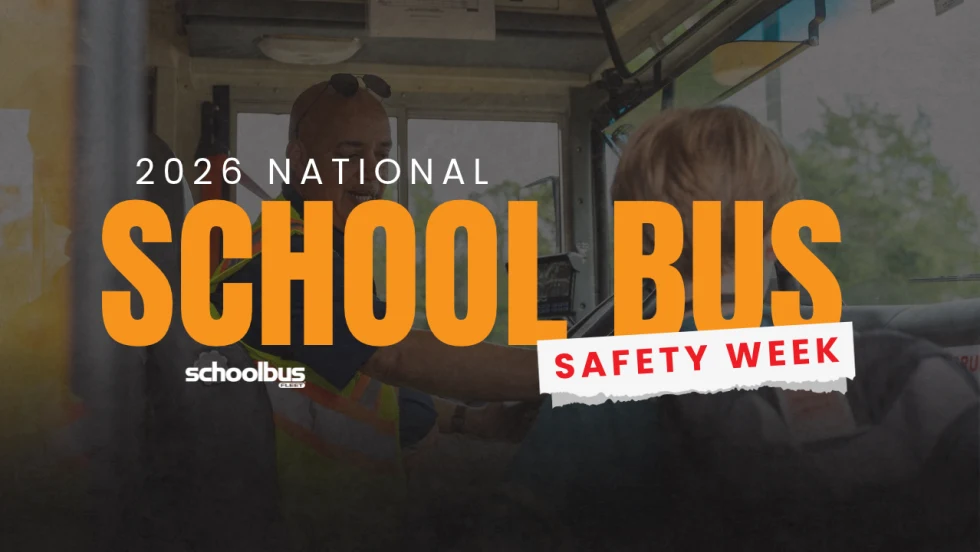
National School Bus Safety Week 2026: Tips, Toolkits & Resources to Keep Students Safe
School bus safety takes more than awareness. Explore expert tips, enforcement strategies, and free resources to help protect students on every ride.
Read More →
2 Killed, Dozens Injured in Florida School Bus Crash
A multi-vehicle collision caused a Polk County school bus carrying 37 students to overturn on its way to Winter Haven High School.
Read More →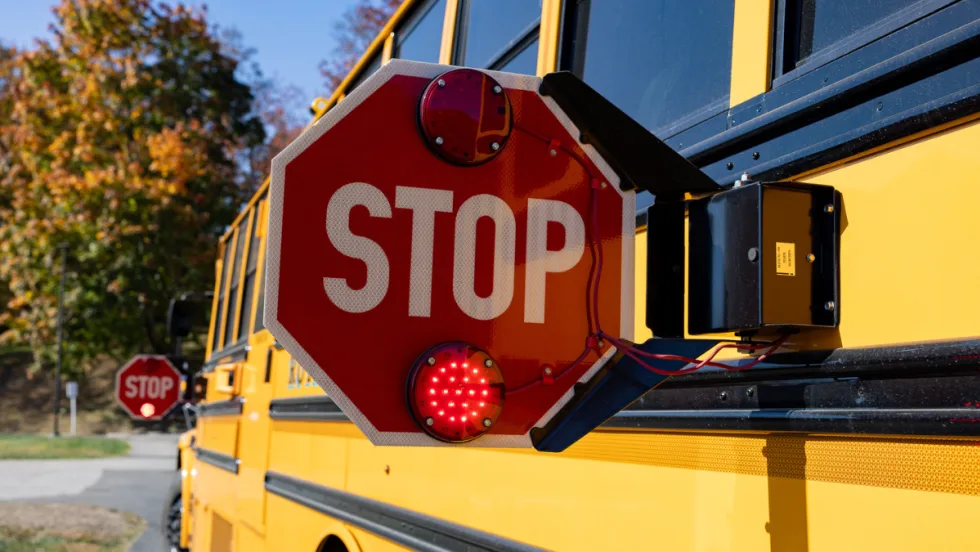
Illegal School Bus Passing Drops 24% in New York Districts
With fewer than 5% of citations involving repeat offenders, Westchester County officials said enforcement, education, and community partnerships are helping change driver behavior.
Read More →
School's Back. Here's What Happened to Traffic, Speeding & Distraction
What happens to traffic when school resumes? New data analysis examines changes in distracted driving, congestion, and speeding around schools.
Read More →
Geotab Expands Fleet Safety Tools With Video Coaching, Risk Insights
New safety and video capabilities aim to help fleet managers assess risk, support drivers, and take targeted action through video coaching, red-light violation detection, and more.
Read More →
How to Build a Better School Bus Driver Training Program
Is it time to strengthen your driver training? Here’s how to pick the right talent and improve recruitment, retention, and safety. This video is brought to you by IC Bus.
Read More →
Recent School Bus Accidents Leave 2 Dead, 2 Injured
Four school bus crashes in Florida, Illinois, and Georgia highlight risks in transportation lots, at bus stops, and during student loading and unloading.
Read More →