




Kansas Report Shows 30 Days of School Bus Stop-Arm Violations
The lengthy survey counted nearly 10,000 illegal passes of school buses in Kansas in 30 school days.

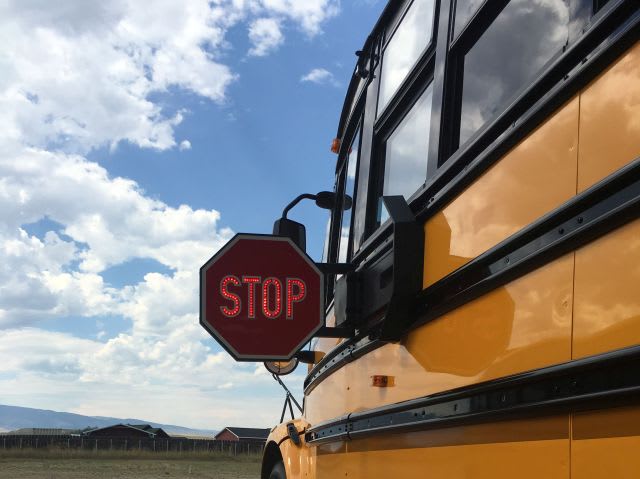
Nearly 10,000 illegal passes of school buses in Kansas were reported in a 30-day survey. File photo courtesy Sheridan County (Wyo.) School District
Nearly 10,000 illegal passes of school buses in Kansas were reported in a 30-day survey. File photo courtesy Sheridan County (Wyo.) School District
TOPEKA, Kan. — A lengthy survey of illegal school bus passing in Kansas counted nearly 10,000 stop-arm violations in 30 school days.
The 30-Day School Bus Passing Survey took place across the state from Jan. 23 to March 3. The Kansas State Department of Education (KSDE) and the Kansas Highway Patrol (KHP) released the results on Wednesday.
Of the 286 school districts in Kansas, 57 (20%) volunteered to take part in the project. In all, they reported 9,967 school bus stop-arm violations over the 30 school days.
Out of the total 9,967 violations, 9,745 (98%) occurred on the left side of the bus, and 222 (2%) were on the right side, where students board and exit.
Nearly three-fourths of the violating vehicles — 7,249 (73%) — passed from the front of the bus, while 2,718 (27%) passed from the rear.
More than two-thirds of the violations — 6,888 (69%) — were reported in the state’s largest school system, Wichita Unified School District.
While many states conduct one-day stop-violation counts annually or monthly, a 30-day study is much longer than usual. The concept came about earlier this year after KSDE discussed traffic safety issues around school buses with KHP, which requested more extensive data.
In releasing a report on the 30-day survey, KSDE acknowledged its limitations. For example, the districts weren’t randomly selected, and some didn’t participate in the entire study. Even so, KSDE and KHP officials said in a press release that the data point to a significant safety concern.
“It only takes a second for tragedy to occur,” said Dr. Randy Watson, Kansas commissioner of education. “The results of this survey are an important reminder that we all need to slow down, put down the cell phones, and pay attention. Nothing is more important than protecting the lives of our children.”
KHP Superintendent Col. Mark Bruce said that his agency will use the survey data in school bus stop education and enforcement efforts.
“The results of the survey clearly identified a significant threat to the safety of children who are bused to school,” Bruce said. “The patrol will be working with the Kansas law enforcement community to implement enforcement and educational strategies to reduce the incidence of motorists illegally passing school buses that are in the process of loading or unloading children.”
The 30-day survey was separate from a one-day survey that Kansas conducted on April 19 as part of the nationwide effort coordinated by the National Association of State Directors of Pupil Transportation Services. Kansas’ one-day survey counted 691 stop-arm violations, with 2,527 school bus drivers across the state participating.
The Kansas 30-Day School Bus Passing Survey report is available here.
KSDE is no stranger to school bus safety research projects. The agency also conducts an annual national survey of school bus loading and unloading fatalities.
More Safety

How to Build a Better School Bus Driver Training Program
Is it time to strengthen your driver training? Here’s how to pick the right talent and improve recruitment, retention, and safety. This video is brought to you by IC Bus.
Read More →
Recent School Bus Accidents Leave 2 Dead, 2 Injured
Four school bus crashes in Florida, Illinois, and Georgia highlight risks in transportation lots, at bus stops, and during student loading and unloading.
Read More →
When Every Second Matters, Clarity Keeps Routes Moving
From routine delays to urgent incidents, strong communication practices help drivers, dispatchers, schools, and families respond with confidence.
Read More →

What Happens When a School Bus Catches Fire — and What Can Help
School bus fires are rare but can be devastating. Learn how advances in fire suppression and asset protection help fleets detect fires earlier, reduce damage, and improve safety.
Read More →
Geotab Launches Tool to Help Fleets Investigate Road Incidents
Geotab Investigations combines telematics data, video, documents, and other evidence to help fleets reconstruct incidents, resolve claims, and determine what happened.
Read More →
Texas Sixth Grader Wins 2026 National School Bus Safety Poster Contest
Sai Darshana Yekolu of Moseley Middle School in Prosper, Texas, was named the newest winner for her artwork, bringing the theme of “Safe Rides, Everyday Heroes” to life.
Read More →
Doing More With Less: How Transportation Directors Can Prioritize Safety Amid Budget Uncertainty
With diesel prices soaring and nearly one-third of transportation directors expecting budget cuts, maintaining student safety has never been more challenging. Download this guide to learn how leading districts are prioritizing risk, funding critical safety technology, and building stronger budget cases with data.
Read More →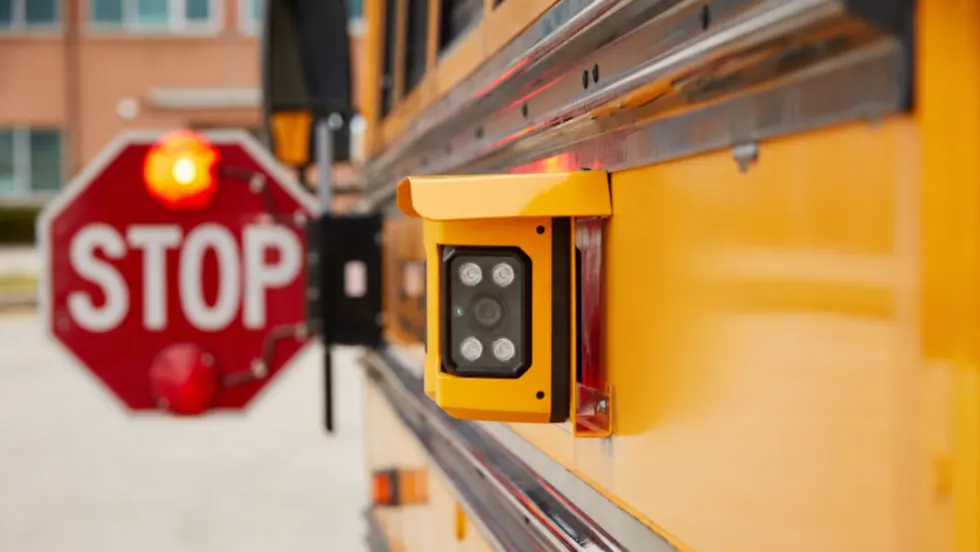
Walton County Schools Adds Gatekeeper Stop-Arm Enforcement System
The Florida district will deploy Gatekeeper’s updated Student Protector technology, which now incorporates AI to improve video evidence.
Read More →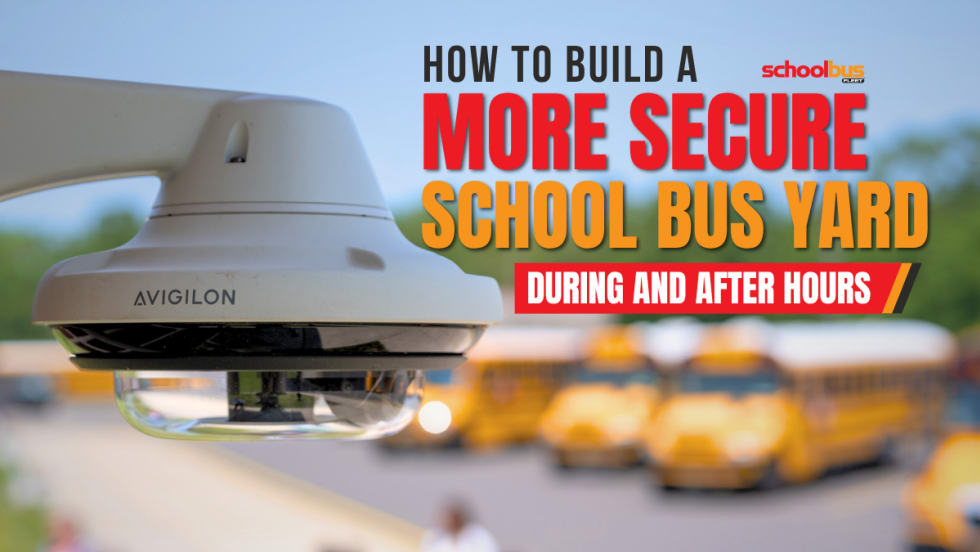
How To Build a More Secure School Bus Yard During and After Hours
As thefts and overnight security threats continue, school transportation leaders are combining stronger operational practices with AI-enabled surveillance to better protect buses, facilities, and staff.
Read More →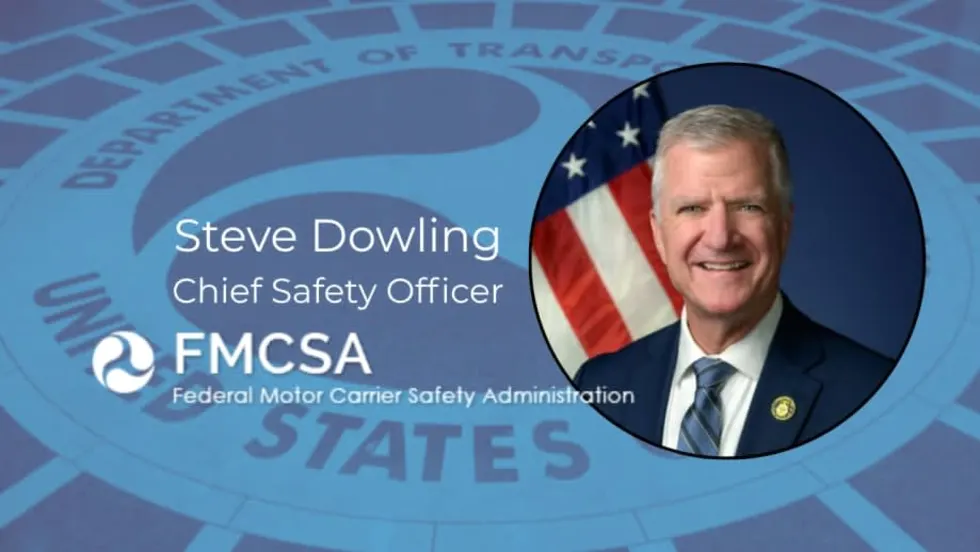
FMCSA Names New Chief Safety Officer: What School Bus Operators Should Know
Steve Dowling is set to lead the federal agency's efforts to advance commercial motor vehicle safety and reduce crashes, fatalities, and injuries on the nation's roadways.
Read More →