





Need to Know: How Do We Minimize the New Fire Risks Associated with EVs and HEVs?
How Safe Are Electric Bus Batteries?
The World Resources Institute’s Electric School Bus Initiative delved into the topic, finding that EV batteries are designed for safety and extensively tested.
April 3, 2023

An industry survey showed that fires occurred far more often in gasoline vehicles than electric.
Image: Canva
3 min to read
A common concern raised when it comes to new electric school buses is just how secure drivers, passengers, and parents can feel about the batteries that power them.
How risky, we all wonder, is this zero-emission future?
The World Resources Institute’s Electric School Bus Initiative recently published a report that seeks to alleviate those concerns as part of the organization’s All About series.
The ESBI report offers four primary takeaways:
Electric school buses are designed and built to be safe.
The batteries are extensively tested.
Batteries are equipped with rigorous safety mechanisms.
Safety training for technicians and first responders is important.
School bus fires are rare in both fossil-fuel powered and battery-driven vehicles, with no recent bus fire-related deaths reported to the National Fire Incident Reporting System. However, the ESBI indicates that statistics suggest gasoline or diesel vehicles are more likely to catch fire than electric vehicles.
According to an industry survey, 1,529 fires were reported per 100,000 gas vehicles, with 25.1 fires per 100,000 electric vehicles.
What else did the ESBI find?
Power of Testing and Safeguards
Batteries used in electric vehicles – and the systems that monitor and control them - are held to high standards and subjected to testing before they can be sold.
Lithium-iron-phosphate (LFP) batteries used in most electric school buses are said to have better thermal stability than nickel-manganese-cobalt (NMC) batteries found in electric cars. “This thermal stability ensures that the battery structure remains intact for longer than for electric cars even during high temperatures and decreases the chances that fires spread,” the ESBI reported.
Battery packs are enclosed in a durable metal casing kept between the guard rails of the bus chassis for maximum protection.
“This area is often referred to as the vehicle’s safety zone as it is separated from passengers by a structural barrier and away from the front of the bus where collisions are more common,” the report stated.
Batteries are managed with temperature controls, including an active cooling system that helps maintain an optimal temperature. Electric buses also use automatic electrical disconnects in the event of crash or short circuit, and “passive propagation resistance” or PPR that helps detect and isolate individual battery cells undergoing a thermal event.
Benefits of Training
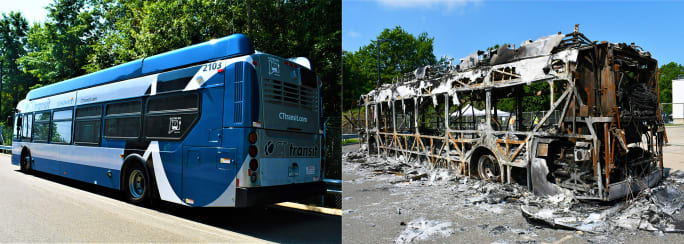
Electric bus fires are rare, but it's still important to train technicians and first responders to handle the unique effects associated with these vehicles, including arcing, ejected metal, and conductive soot.
Image: National Transportation Safety Board
Despite testing and safeguards, electric buses aren’t entirely immune to fires.
In July 2022, as an example, an electric transit bus in Connecticut caught fire while it was in a maintenance facility awaiting examination by the manufacturer due to problems with the vehicle. That incident remains under investigation by the National Transportation Safety Board.
Technicians and first responders should be trained to handle such incidents, which can include effects such as arcing, ejected metal, and conductive soot.
The ESBI recommends high-voltage training for maintenance staff and early engagement with first responders to make sure all personnel are on the same page when it comes to effectively coping with the rare incidents involving this new and evolving technology.
More Alternative Fuels

CALSTART and Forth Combine to Form Catalyst Mobility
The new name represents a renewed vision for the nonprofit focused on advancing clean, equitable, and affordable transportation solutions that move people and goods.
Read More →
Alt-Fuel Moves: New Buses, Charging Hubs & Real-World EV Testing
Propane and electric school bus deployments continue to grow as districts add new vehicles, expand charging infrastructure, and gather more real-world operating data.
Read More →
Fewer Electric School Bus Models Reshape the U.S. Market
WRI’s latest buyer’s guide points to a consolidating electric school bus market, but fewer options may reflect a maturing industry rather than fewer meaningful choices for school bus operators.
Read More →
The Fuel Budget You Can Actually Predict: How Propane Autogas Keeps Money in the Classroom
Learn how propane autogas helps school districts manage fuel costs with predictable pricing, lower maintenance, and reduced emissions from former transportation director Joel Stutheit.
Read More →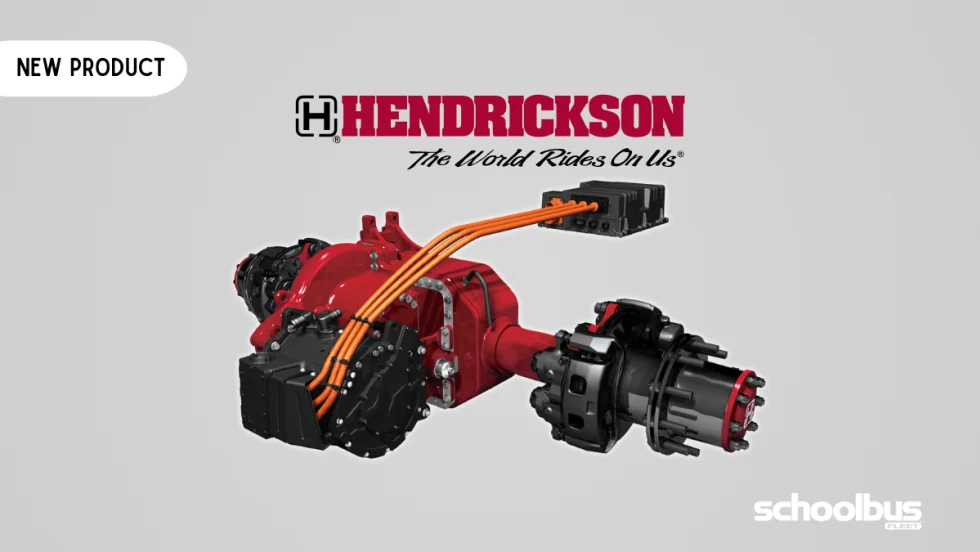
Hendrickson, Driventic Introduce New Electric Powertrain for School Buses
ELECTRAAX, the electrified, lightweight drive axle offers integrated ePowertrain efficiency and modular flexibility for Class 6–7 school bus use.
Read More →
The Mobility House Joins PowerFlex in Fleet Electrification Deal
The acquisition combines intelligent charging software, bidirectional charging expertise, and fleet electrification services to support the growing adoption of electric school buses across North America.
Read More →
Alt-Fuel Moves: Electric School Bus Investments Hit the Road
See which districts across the U.S. are putting electric school buses into service, expanding charging infrastructure, and planning the next phase of fleet electrification.
Read More →
With Fuel Volatility Ahead, School Districts Turn to Propane
While diesel prices peaked above $5 this spring, districts with propane autogas-powered fleets paid under $2 per gallon, according to PERC.
Read More →
EPA Unveils Proposed Changes to 2027 Heavy-Duty Engine Rules
The federal agency has proposed changes to next year’s targets that would eliminate DEF derates, ease warranty requirements, and retain current NOx emissions standards.
Read More →
Alt-Fuel Moves: EV Charging & Infrastructure Projects Gain Momentum
The latest developments include new funding, charging infrastructure, utility investments, and fleet technologies designed to support the transition to electric school buses nationwide.
Read More →