




Homeless student busing costs Mass. districts $11M
The costs stem from the state's participation in the federal McKinney-Vento program. State Auditor Suzanne Bump calls on lawmakers to allot funding for what she found to be "an unfunded state mandate."


Among Massachusetts districts, Boston spends the most to meet homeless student transportation requirements, with a projected FY 2012 cost of $760,949.
BOSTON — A statewide survey found that Massachusetts school districts are projected to spend close to $11.3 million this fiscal year in transporting homeless students after they move.
In releasing the survey results, State Auditor Suzanne Bump called on lawmakers to make an appropriation to refund municipalities for what she determined in two analyses last year to be "an unfunded state mandate."
Due to the state’s participation in the federal McKinney-Vento program, cities and towns are required to provide transportation and education to some homeless children after they are placed in a different municipality for temporary housing.
“I do not question the wisdom or validity of the commonwealth’s decision to enable homeless parents to choose whether to enroll their children in schools of their temporary host community or keep them in their original school,” Bump said. “Its embrace of a federal program, however, does require the affected school systems to incur new costs.”
The state’s application of the McKinney-Vento program requires the community hosting homeless students and the community from which they originate to share the cost of the students’ transportation.
Bump's survey found that Boston Public Schools spends the most to meet the mandate, with a projected FY 2012 transportation cost of $760,949. Next is Springfield Public Schools at $562,650.
The survey shows that 33 communities are projected to spend more than $100,000 to meet the requirement.
Along with the results of the survey, Bump sent a letter to Massachusetts Gov. Deval Patrick and members of the Legislature in which she recommends that lawmakers consider fully funding the mandated McKinney-Vento costs for FY 2012 in a supplemental budget appropriation, and provide ongoing reimbursements in future budgets.
“For the cities and towns of the commonwealth, this plan cuts into their school districts’ overall ability to provide quality education,” Bump said. “The costs incurred have the potential of forcing schools to cut teachers, enlarge class sizes and make other expenditures in tight budget conditions.”
The state's Local Mandate Law provides that any post-1980 state law or regulation that imposes additional costs on any municipality must either be fully funded by the commonwealth or be subject to local acceptance. Bump’s Division of Local Mandates is responsible for determining the local financial impact of proposed or existing state mandates.
While the Local Mandate Law does not apply to federal laws and programs, Bump noted that McKinney-Vento is a program that the state entered voluntarily, "inviting the regulations and financial obligations on local school departments."
More Safety

How to Build a Better School Bus Driver Training Program
Is it time to strengthen your driver training? Here’s how to pick the right talent and improve recruitment, retention, and safety. This video is brought to you by IC Bus.
Read More →
Recent School Bus Accidents Leave 2 Dead, 2 Injured
Four school bus crashes in Florida, Illinois, and Georgia highlight risks in transportation lots, at bus stops, and during student loading and unloading.
Read More →
When Every Second Matters, Clarity Keeps Routes Moving
From routine delays to urgent incidents, strong communication practices help drivers, dispatchers, schools, and families respond with confidence.
Read More →

What Happens When a School Bus Catches Fire — and What Can Help
School bus fires are rare but can be devastating. Learn how advances in fire suppression and asset protection help fleets detect fires earlier, reduce damage, and improve safety.
Read More →
Geotab Launches Tool to Help Fleets Investigate Road Incidents
Geotab Investigations combines telematics data, video, documents, and other evidence to help fleets reconstruct incidents, resolve claims, and determine what happened.
Read More →
Texas Sixth Grader Wins 2026 National School Bus Safety Poster Contest
Sai Darshana Yekolu of Moseley Middle School in Prosper, Texas, was named the newest winner for her artwork, bringing the theme of “Safe Rides, Everyday Heroes” to life.
Read More →
Doing More With Less: How Transportation Directors Can Prioritize Safety Amid Budget Uncertainty
With diesel prices soaring and nearly one-third of transportation directors expecting budget cuts, maintaining student safety has never been more challenging. Download this guide to learn how leading districts are prioritizing risk, funding critical safety technology, and building stronger budget cases with data.
Read More →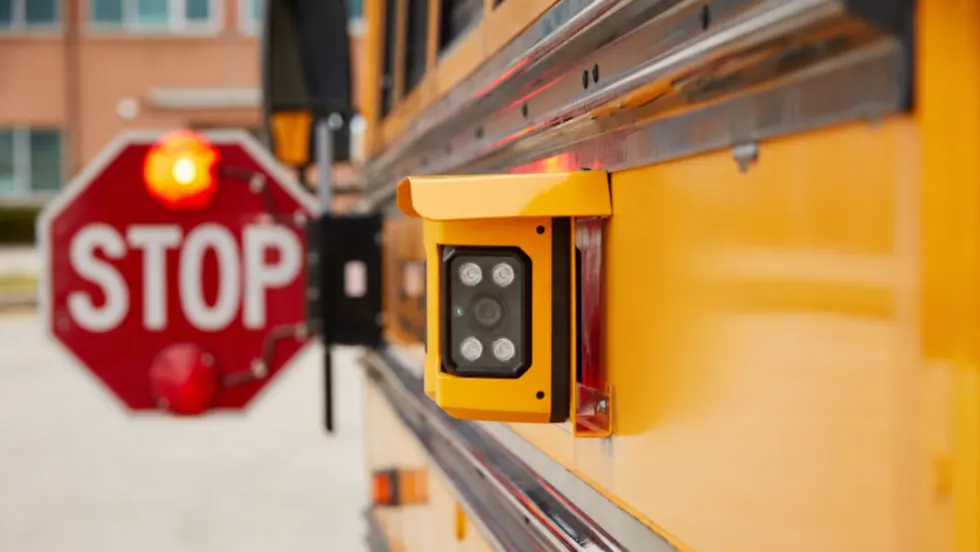
Walton County Schools Adds Gatekeeper Stop-Arm Enforcement System
The Florida district will deploy Gatekeeper’s updated Student Protector technology, which now incorporates AI to improve video evidence.
Read More →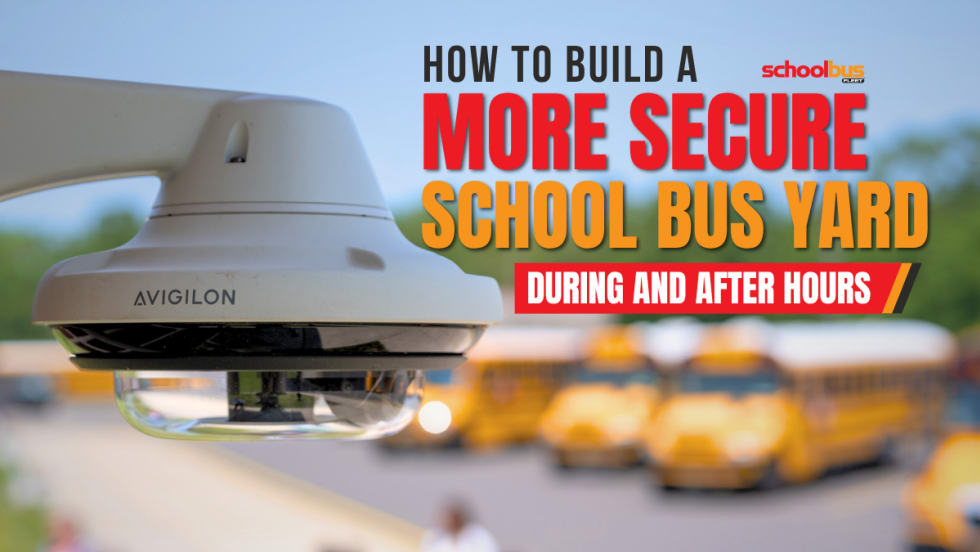
How To Build a More Secure School Bus Yard During and After Hours
As thefts and overnight security threats continue, school transportation leaders are combining stronger operational practices with AI-enabled surveillance to better protect buses, facilities, and staff.
Read More →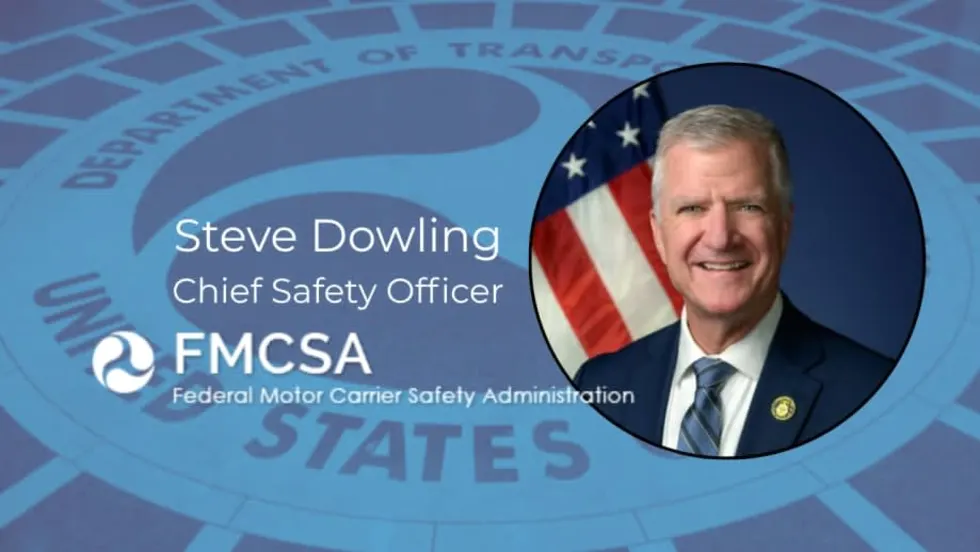
FMCSA Names New Chief Safety Officer: What School Bus Operators Should Know
Steve Dowling is set to lead the federal agency's efforts to advance commercial motor vehicle safety and reduce crashes, fatalities, and injuries on the nation's roadways.
Read More →