





Related: NSTA Calls for School Transportation Funding During COVID-19 Shutdown
Ground Transportation Groups Request $12B for Essential Infrastructure
The request proposes an eight-point plan for saving buses, shuttles, paratransit, non-emergency medical trips, taxis, liveries, and rideshare companies.
March 20, 2020
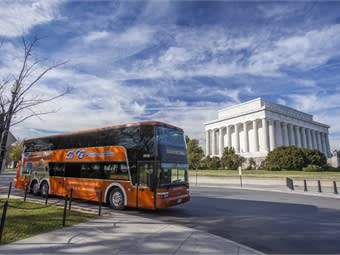
Collectively, the ground transportation industry moves three billion passengers a year, approximately the same total number of passengers moved by the equally vital airline industry. Photo courtesy DC Trails
3 min to read
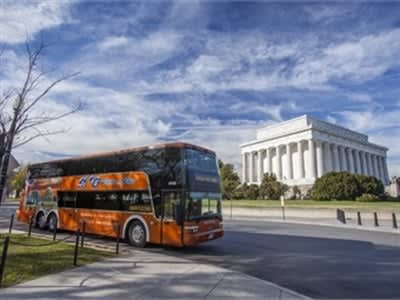
Collectively, the ground transportation industry moves three billion passengers a year, approximately the same total number of passengers moved by the equally vital airline industry. Photo courtesy DC Trails
A version of this story initially appeared inMetro Magazine, School Bus Fleet's sister publication, on March 20.
ROCKVILLE, Md. — The Transportation Alliance (TTA) has joined six other major passenger ground transportation trade associations in signing a letter to President Trump and Congressional leaders asking for $12 billion to save this essential national infrastructure during the COVID-19 pandemic.
The letter was sent to the White House as well as to Senate Majority Leader Mitch McConnell and House Speaker Nancy Pelosi, according to a news release from the TTA. It laid out an eight-point plan for saving companies that operate a variety of transportation, including taxis, liveries, rideshare, buses, shuttles, paratransit, and non-emergency medical trips.
The eight points are:
1. Deem the industry a national “essential service.”
2. Provide $12 billion in immediate cash grants to fleet operators to provide industry relief.
3. Ensure guaranteed vehicle loan deferment/forbearance for at least 120 days.
4. Declare the industry is eligible for zero-interest small business administration (SBA) loans and ensure such loans are made available within two weeks of application, with no payments due for six months.
5. Mandate that all government accounts with transportation companies be paid within five days of billing.
6. Require insurance companies to suspend auto liability premiums on passenger transportation vehicles pulled out of service, without requiring transportation companies to turn in their license plates.
7. Allow operators to postpone real estate tax payments as well as vehicle fuel and utility payments such as phone, electricity, and internet services, without penalty or disconnection.
8. Open a pipeline to cleaning products to ensure vehicles are regularly sanitized, and to help our industry promote the safety of our services.
“Our industry is intricately linked to the airlines and tourism, to schools and universities, and to health care access and vital services for our most vulnerable,” said Thomas P. Arrighi, TTA’s president. “We need to make sure the people, vehicles, call centers, and maintenance facilities are here to keep America moving when this is over. We have a pragmatic plan to do that. But we can’t do it without help from Washington.”
The letter was signed by the leaders of TTA, the American Bus Association (ABA), the National Limousine Association, the Global Business Travel Association, the United Motorcoach Association, the American Ground Transportation Association, and the Near Airport Parking Industry Trade Association.
In addition, ABA President Peter Pantuso called in an email for members to immediately contact their congressional representatives, detail their situation and support the industry's requests for funding, since Congress is working on the next emergency relief package this weekend. He provided a letter template for members to use, and said that members who need help in finding their representatives' email addresses or phone numbers can reach out to the ABA.
Collectively, the ground transportation industry moves three billion passengers a year, approximately the same total number of passengers moved by the airline industry according to The Transportation Alliance. Hundreds of thousands of drivers — most of them small, independent American companies — affiliate with the group’s member companies for their livelihood.
More Management
How to Build a Better Driver Training Program
Ready to boost up your school bus instructor training? Here’s how to pick the right talent and improve recruitment, retention, and safety.
Read More →
CALSTART and Forth Combine to Form Catalyst Mobility
The new name represents a renewed vision for the nonprofit focused on advancing clean, equitable, and affordable transportation solutions that move people and goods.
Read More →
What Makes a Great School Bus Driver Trainer?
Choosing the right school bus driver trainer takes more than experience. Learn six keys to selecting and developing trainers and evaluating program effectiveness.
Read More →


School Bus Contractors Expand Through New Deals, Acquisitions & Partnerships
STA's Canadian division acquires Ontario-based G&L Stevenson Transport while Durham School Services adds a new district contract in California, First Student adds a New Jersey contract, and Minnesota Coaches acquires Halo Transportation.
Read More →
Logan Bus Company Rolls Out AI Phone System for NYC School Bus Families
A summer pilot found that AI agents could handle most routine calls, freeing up time for customer service staff to focus on emergencies and complex family concerns.
Read More →
From Intent to Impact: What I Learned About Leadership from TAPT
A Texas transportation supervisor shares lessons on self-awareness, accountability, managing stress and building trust — and why investing in leadership development matters at every stage of your career.
Read More →
NAPT Names 2026 Award Recipients, Hall of Fame Inductee
Who earned national recognition for their work in student transportation? This year, NAPT named five recipients of its 2026 awards for service, safety, and leadership, plus its newest Hall of Famer.
Read More →
Sponsored•September 2, 2026
2026 State of Student Transportation Report
Driver shortages. Rising costs. Growing safety expectations. More data, but not enough time to act on it. The 2026 State of Student Transportation Report reveals what transportation leaders say is putting the most pressure on their operations—and where they’re investing next. See how your priorities compare.
Read More →
How to De-Escalate an Angry Person: 5 Steps for Handling Workplace Conflict
What makes emotions run high, and how should you handle an angry colleague or parent? Follow these steps for staying calm, listening, showing empathy, and resolving conflict.
Read More →
Sponsored•September 1, 2026
What Readiness Looks Like This School Year
Learn about the challenges shaping the 2026–2027 school year, from persistent driver shortages and budget pressure to technology and readiness gaps. See how school districts are responding and adapting in Zonar’s 2026 Back-to-School Readiness Report.
Read More →