




FMCSA updates to medical certification, training explained
In the session “Understanding Medical DOT and Fit for Duty Requirements,” NAPT attendees were brought up to speed on new criteria for medical examiners, driver training and drug and alcohol testing, as well as changes in how some cases of diabetes and sleep apnea are handled.

NAPT Summit attendees were brought up to date on some changes made by the Federal Motor Carrier Safety Administration (FMCSA) to certification and training in a session held on Monday.
Larry Minor, the associate administrator on policy for the FMCSA, explained the updates made to the National Registry of Certified Medical Examiners in “Understanding Medical DOT and Fit for Duty Requirements.” A final rule was issued in April for the new medical card program to track and review the distribution of medical examiners across the U.S. on a daily basis, and it allows cards to be issued electronically and downloaded by the state agency.
Medical examiners must now complete a training course and testing, and submit medical certifications for each driver they examine on a daily basis. Additionally, all medical cards must be issued by a medical examiner listed in the National Registry. The rule is expected to decrease the risk of falsifications.
The FMCSA also has simplified requirements for drivers with insulin-treated diabetes and mild sleep apnea, Minor said.
A driver using insulin hadn’t been able to get a medical certification unless they received an exemption from the FMCSA, but now, if the treating clinician and medical examiner agree that the driver is managing the condition, they can receive certification.
“We know we have a [large] population of insulin-dependent bus drivers not disclosing that they have diabetes,” Minor said. “Instead of [having them] remain in the shadows, we’ve cleaned up the regulations so that they don’t lose employment and income. That’s better for everyone.”
Minor told attendees that if a driver with obstructive sleep apnea is using a CPAP machine and has verification that it is working for them, that could be sufficient for medical certification.
The FMCSA will gather information on cases of moderate to severe sleep apnea and potential economic impact and safety benefits from regulatory actions that would result in workers in safety-sensitive positions who exhibit multiple risk factors for obstructive sleep apnea being evaluated by a healthcare professional who has expertise in sleep disorders.
Another change is to the Drug and Alcohol Clearinghouse, with the final rule to be issued in spring 2016. Motor carriers, medical review officers, substance abuse professionals and third-party officers would be required to report positive drug and alcohol test results, test refusals, negative return-to-duty test results, and information on follow-up testing. Motor carriers would also need to report knowledge of citations for driving a commercial motor vehicle while impaired by alcohol or drugs. That information would go into a database, to be used as a tool for managers when hiring new drivers, Minor said.
Driver training is another area that is seeing changes. Prospective drivers must now go through 30 hours of behind-the-wheel training for a class A CDL and 15 hours of behind-the-wheel training for a class B CDL. As with medical examiners, all driver trainers used must be listed on a Training Provider Registry. Training providers must submit training certificates to the FMCSA. Minor assured audience members that they just need to certify their training program meets the FMCSA requirements and agree to send training certificates to the organization.
The reason behind the change, Minor said, is that Congress is looking to get rid of CDL mills.
“We’re taking the luck out of it and making sure that all applicants get well-structured training,” he explained.
The FMCSA will also soon revisit vision requirements, Minor added.
More Safety

How to Build a Better School Bus Driver Training Program
Is it time to strengthen your driver training? Here’s how to pick the right talent and improve recruitment, retention, and safety. This video is brought to you by IC Bus.
Read More →
Recent School Bus Accidents Leave 2 Dead, 2 Injured
Four school bus crashes in Florida, Illinois, and Georgia highlight risks in transportation lots, at bus stops, and during student loading and unloading.
Read More →
When Every Second Matters, Clarity Keeps Routes Moving
From routine delays to urgent incidents, strong communication practices help drivers, dispatchers, schools, and families respond with confidence.
Read More →

What Happens When a School Bus Catches Fire — and What Can Help
School bus fires are rare but can be devastating. Learn how advances in fire suppression and asset protection help fleets detect fires earlier, reduce damage, and improve safety.
Read More →
Geotab Launches Tool to Help Fleets Investigate Road Incidents
Geotab Investigations combines telematics data, video, documents, and other evidence to help fleets reconstruct incidents, resolve claims, and determine what happened.
Read More →
Texas Sixth Grader Wins 2026 National School Bus Safety Poster Contest
Sai Darshana Yekolu of Moseley Middle School in Prosper, Texas, was named the newest winner for her artwork, bringing the theme of “Safe Rides, Everyday Heroes” to life.
Read More →
Doing More With Less: How Transportation Directors Can Prioritize Safety Amid Budget Uncertainty
With diesel prices soaring and nearly one-third of transportation directors expecting budget cuts, maintaining student safety has never been more challenging. Download this guide to learn how leading districts are prioritizing risk, funding critical safety technology, and building stronger budget cases with data.
Read More →
Walton County Schools Adds Gatekeeper Stop-Arm Enforcement System
The Florida district will deploy Gatekeeper’s updated Student Protector technology, which now incorporates AI to improve video evidence.
Read More →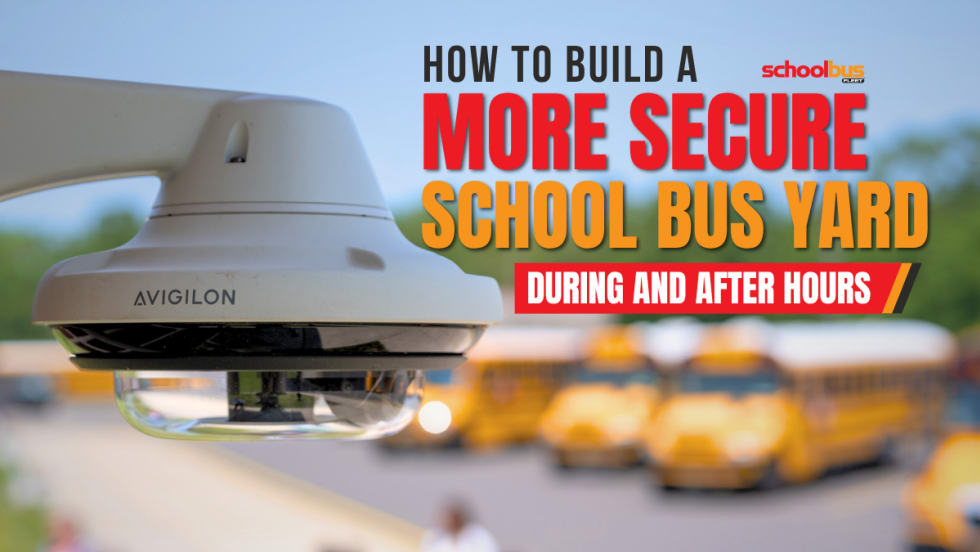
How To Build a More Secure School Bus Yard During and After Hours
As thefts and overnight security threats continue, school transportation leaders are combining stronger operational practices with AI-enabled surveillance to better protect buses, facilities, and staff.
Read More →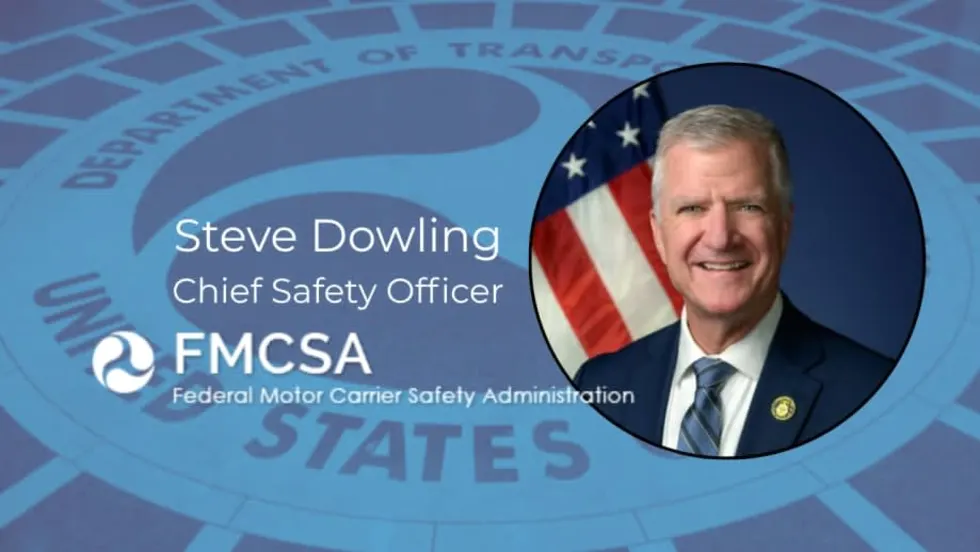
FMCSA Names New Chief Safety Officer: What School Bus Operators Should Know
Steve Dowling is set to lead the federal agency's efforts to advance commercial motor vehicle safety and reduce crashes, fatalities, and injuries on the nation's roadways.
Read More →