





Everyone Aboard? U.S. School Bus Dealerships Offer Insights in Their Vehicle Market
First Student Partners with National Safety Council to Research Electric School Bus Safety
The research project aims to examine the potential benefits of electric buses in improving roadway safety, student behavior, performance, classroom transition and workplace safety, which includes the impact on bus drivers and monitors.
November 7, 2023

Student transportation provider First Student is on a mission to convert its fleet to electric school buses.
Image: Canva
3 min to read
First Student, a leading provider of school transportation services in North America, is broadening its partnership with the National Safety Council (NSC). First Student will work with NSC on an expansive research pilot examining the safety benefits of school bus fleet electrification. The research pilot is expected to provide groundbreaking insights as the transition to school bus electrification takes root in school districts across the country.
The research project aims to examine the potential benefits of electric buses in improving roadway safety, student behavior, performance, classroom transition and workplace safety, which includes the impact on bus drivers and monitors. First Student previewed this work during the NSC Safety Congress & Expo held in New Orleans in October.
“NSC is an important force for good in our industry and we are excited that our work together is growing,” said Darryl Hill, First Student senior vice president of safety and security. “The era of safer and more sustainable transportation options for students is upon us with school bus electrification. We hope that the results of our study and our partnership with NSC will help school district officials, parents of school-age children, educators and bus manufacturers to better understand the potential health and safety benefit for students from school bus electrification.”
First Student has more than two million miles driven on EV buses. The company has committed to transition 30,000 of its diesel buses to electric by 2035.
“School transportation is a unique area where roadway, community and workplace safety issues overlap,” said NSC Roadway Practice Research Manager Sergey Sinelnikov. “The electrification of school buses has introduced an important element to the mix – transportation sustainability. The National Safety Council is thrilled to partner with First Student and optimistic about the results of this research collaboration.”
First Student Director of Safety Training and Development Renee Boydo has been named to NSC’s electric vehicle fleet steering committee. Boydo is responsible for managing and overseeing all operational aspects of driver training programs for First Student, including development and implementation.
“Being able to partner with NSC in such a deep and substantive way will make a huge difference in not just our understanding of transportation safety, but in speeding meaningful improvements,” said Boydo. “Our study will be the first of its kind and hopefully informs the exciting electric school bus transition that is already taking place across the country. We believe our study will show that electric school buses are quieter, safer, cleaner and have a positive impact on student behavior, both on and off the bus.”
The First Student study with NSC seeks to gain insight on the potential impact electric vehicles may have on student populations with special needs, particularly those with sound sensitivity. The research will employ a mixed-methods approach, including surveys, observations and interviews with students, parents, drivers and school officials. The safety impact assessment will explore the effects of electric buses on traffic safety and will also investigate the potential benefits of quieter buses on student behavior and experience on the bus ride.
The findings of this research will contribute to the ongoing discussion around sustainable transportation and its potential benefits for students, schools and the wider community. The study has the potential to inform school districts, policymakers and stakeholders about the benefits of electric school buses beyond just the environmental impact. Ultimately, the research aims to promote sustainable transportation options that can provide a healthier and safer environment for students and their communities.
More Alternative Fuels

CALSTART and Forth Combine to Form Catalyst Mobility
The new name represents a renewed vision for the nonprofit focused on advancing clean, equitable, and affordable transportation solutions that move people and goods.
Read More →
Alt-Fuel Moves: New Buses, Charging Hubs & Real-World EV Testing
Propane and electric school bus deployments continue to grow as districts add new vehicles, expand charging infrastructure, and gather more real-world operating data.
Read More →
Fewer Electric School Bus Models Reshape the U.S. Market
WRI’s latest buyer’s guide points to a consolidating electric school bus market, but fewer options may reflect a maturing industry rather than fewer meaningful choices for school bus operators.
Read More →
The Fuel Budget You Can Actually Predict: How Propane Autogas Keeps Money in the Classroom
Learn how propane autogas helps school districts manage fuel costs with predictable pricing, lower maintenance, and reduced emissions from former transportation director Joel Stutheit.
Read More →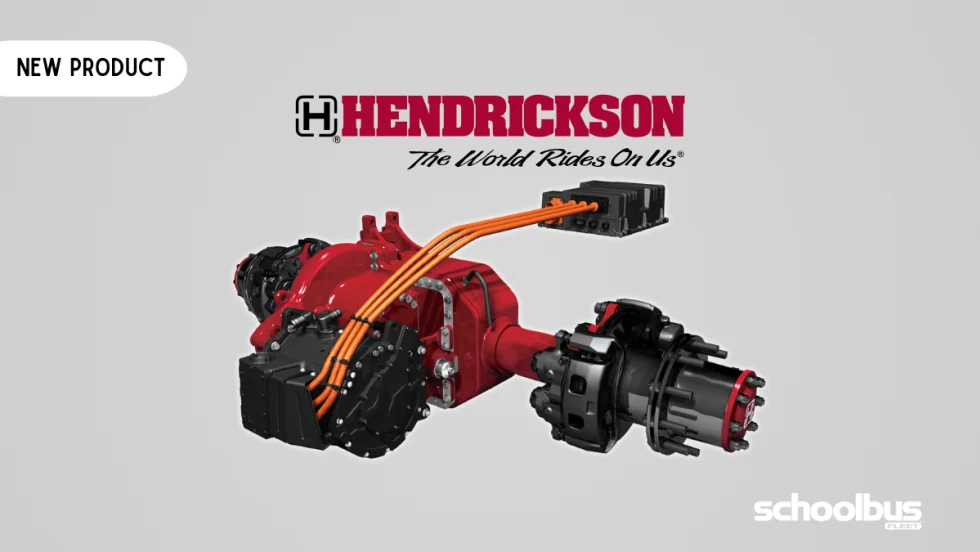
Hendrickson, Driventic Introduce New Electric Powertrain for School Buses
ELECTRAAX, the electrified, lightweight drive axle offers integrated ePowertrain efficiency and modular flexibility for Class 6–7 school bus use.
Read More →
The Mobility House Joins PowerFlex in Fleet Electrification Deal
The acquisition combines intelligent charging software, bidirectional charging expertise, and fleet electrification services to support the growing adoption of electric school buses across North America.
Read More →
Alt-Fuel Moves: Electric School Bus Investments Hit the Road
See which districts across the U.S. are putting electric school buses into service, expanding charging infrastructure, and planning the next phase of fleet electrification.
Read More →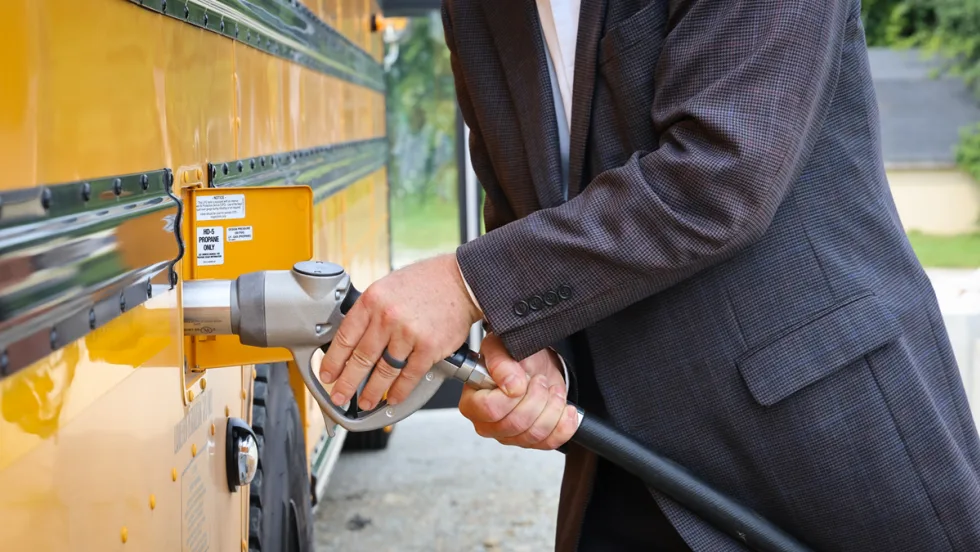
With Fuel Volatility Ahead, School Districts Turn to Propane
While diesel prices peaked above $5 this spring, districts with propane autogas-powered fleets paid under $2 per gallon, according to PERC.
Read More →
EPA Unveils Proposed Changes to 2027 Heavy-Duty Engine Rules
The federal agency has proposed changes to next year’s targets that would eliminate DEF derates, ease warranty requirements, and retain current NOx emissions standards.
Read More →
Alt-Fuel Moves: EV Charging & Infrastructure Projects Gain Momentum
The latest developments include new funding, charging infrastructure, utility investments, and fleet technologies designed to support the transition to electric school buses nationwide.
Read More →