





Check Out: 5 Questions: First Student on Driver Recruitment, Retention & Contracting
First Serves Program Expands Across California
First Student's behavioral training and support program is said to reduce incidents on school buses by an average of 27%, and is now available to all district partners in the Golden State.
September 3, 2025
John Kenning, First Student's CEO and president, said the program reinforces the company's commitment to offering structured planning and support to bridge the gap between the classroom and the school bus.
Photo: School Bus Fleet
2 min to read
First Student has announced the statewide rollout of its nationally recognized, proprietary behavioral training and support program, First Serves, to all of its school district partners in California.
First Serves in California
The program was already implemented in select California districts, where data found a 27% average reduction in behavioral incidents in transportation, underscoring the program's impact in creating safe, inclusive, and supportive environments within their school buses.
Developed in collaboration with experts from top research universities and children's hospitals, First Serves equips school bus drivers, attendants, and transportation leaders with the tools and training to recognize and appropriately respond to student behavior, the company said.
"We know that students bring their challenges, emotions, and triumphs onto the bus each day," said Will McDermott, head of student services at First Student. "Our one-of-a-kind program brings together seasoned transportation staff, a dedicated advisory board of education and behavioral experts, district leadership, and the families and caregivers who support our students. By expanding First Serves to every one of our California partners, we're taking a major step toward ensuring all students feel seen, supported, and safe on every ride, every day."
The program's success has been recognized nationally and presented at premier educational and special education conferences, including the Council of Administrators of Special Education (CASE), the Council for Exceptional Children (CEC), and the Michigan Association of Administrators of Special Education (MAASE).
PBIS Support in Madison
With support from First Serves, First Student also just announced a new partnership with Madison Metropolitan School District (MMSD) in Wisconsin to integrate Positive Behavioral Interventions and Supports (PBIS) framework into its school transportation system. The program aims to create a safer, more positive school bus experience by reinforcing consistent behavior expectations for students throughout their day.
They defined three clear, student-friendly expectations: Safe Body, Kind Heart, Own Your Actions.
PBIS was developed in partnership with national experts and leading children's hospitals to help transportation teams proactively manage student behavior, build stronger relationships with students and families, and contribute to safer driving conditions.
"Our partnership has strengthened how we promote positive expectations for students," said Vanessa Cruz, Assistant Director of Transportation and Logistics at MMSD. "The program equips us with tools and guidance that foster collaboration and create safer rides to and from school. By having a consistent, districtwide system, students experience greater reliability and support, even as they move between schools."
More Management
How to Build a Better Driver Training Program
Ready to boost up your school bus instructor training? Here’s how to pick the right talent and improve recruitment, retention, and safety.
Read More →
CALSTART and Forth Combine to Form Catalyst Mobility
The new name represents a renewed vision for the nonprofit focused on advancing clean, equitable, and affordable transportation solutions that move people and goods.
Read More →
What Makes a Great School Bus Driver Trainer?
Choosing the right school bus driver trainer takes more than experience. Learn six keys to selecting and developing trainers and evaluating program effectiveness.
Read More →


School Bus Contractors Expand Through New Deals, Acquisitions & Partnerships
STA's Canadian division acquires Ontario-based G&L Stevenson Transport while Durham School Services adds a new district contract in California, First Student adds a New Jersey contract, and Minnesota Coaches acquires Halo Transportation.
Read More →
Logan Bus Company Rolls Out AI Phone System for NYC School Bus Families
A summer pilot found that AI agents could handle most routine calls, freeing up time for customer service staff to focus on emergencies and complex family concerns.
Read More →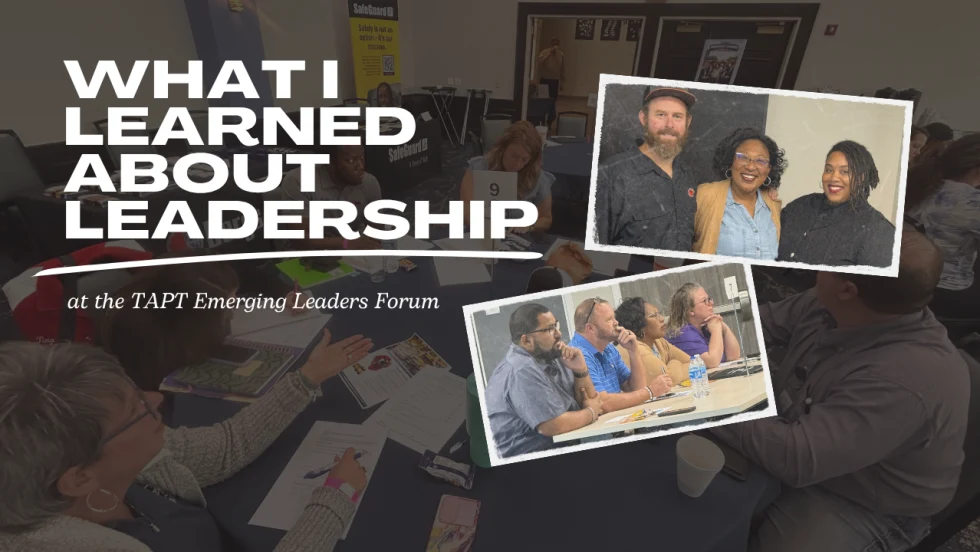
From Intent to Impact: What I Learned About Leadership from TAPT
A Texas transportation supervisor shares lessons on self-awareness, accountability, managing stress and building trust — and why investing in leadership development matters at every stage of your career.
Read More →
NAPT Names 2026 Award Recipients, Hall of Fame Inductee
Who earned national recognition for their work in student transportation? This year, NAPT named five recipients of its 2026 awards for service, safety, and leadership, plus its newest Hall of Famer.
Read More →
Sponsored•September 2, 2026
2026 State of Student Transportation Report
Driver shortages. Rising costs. Growing safety expectations. More data, but not enough time to act on it. The 2026 State of Student Transportation Report reveals what transportation leaders say is putting the most pressure on their operations—and where they’re investing next. See how your priorities compare.
Read More →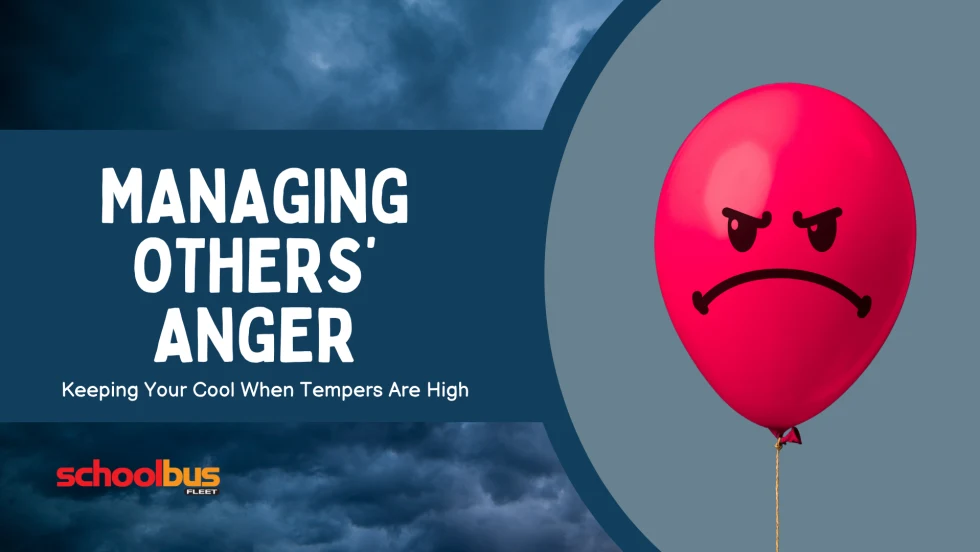
How to De-Escalate an Angry Person: 5 Steps for Handling Workplace Conflict
What makes emotions run high, and how should you handle an angry colleague or parent? Follow these steps for staying calm, listening, showing empathy, and resolving conflict.
Read More →
Sponsored•September 1, 2026
What Readiness Looks Like This School Year
Learn about the challenges shaping the 2026–2027 school year, from persistent driver shortages and budget pressure to technology and readiness gaps. See how school districts are responding and adapting in Zonar’s 2026 Back-to-School Readiness Report.
Read More →