




Feds Set Training Standards for New Bus, Truck Drivers
The new FMCSA final rule applies to drivers seeking a CDL or endorsements, including a school bus endorsement.

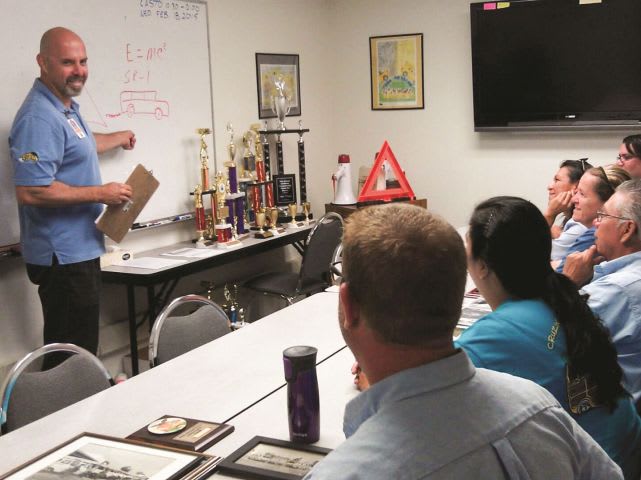
New national training standards will apply to drivers seeking a CDL or endorsements, including a school bus endorsement. Photo courtesy Newport-Mesa USD
New national training standards will apply to drivers seeking a CDL or endorsements, including a school bus endorsement. Photo courtesy Newport-Mesa USD
WASHINGTON, D.C. — A new final rule establishes national minimum training standards for entry-level commercial bus and truck operators.
The regulation from the Federal Motor Carrier Safety Administration (FMCSA) applies to drivers seeking to obtain a commercial driver’s license (CDL) or certain endorsements, including a school bus endorsement.
The final rule, which has a compliance date of Feb. 7, 2020, follows a notice of proposed rulemaking that FMCSA issued in March in response to a congressional mandate from the Moving Ahead for Progress in the 21st Century Act.
According to FMCSA, the new standards established in the final rule “address the knowledge and skills necessary for the safe operation of commercial motor vehicles.” They also establish minimum qualifications for entities and individuals who provide entry-level driver training.
“Ensuring that drivers are properly trained is a critical element in improving road safety for everyone,” U.S. Transportation Secretary Anthony Foxx said on Wednesday. “The entry-level training standards for large truck and bus operators put forth today exemplify a commitment to safety from a broad coalition of commercial motor vehicle stakeholders.”
The entry-level driver training final rule reportedly retains many of the consensus recommendations of a negotiated rulemaking committee that was composed of 25 stakeholders and FMCSA representatives.
Those stakeholders included representatives from the National School Transportation Association and the National Association of State Directors of Pupil Transportation Services. Multiple subcommittees were formed, including one that addressed school bus endorsement curriculum.
Under the final rule, applicants seeking a CDL will be required to demonstrate proficiency in knowledge and behind-the-wheel training on a driving range and on a public road, with training obtained from an instructional program that meets FMCSA standards.
There is no required minimum number of hours for the knowledge or behind-the-wheel portions of any of the individual training curricula, but training providers must determine that each CDL applicant demonstrates proficiency in all required elements of the training in order to complete the program.
The new standards apply nationwide to first-time Class A and Class B CDL applicants and to current CDL holders seeking a license upgrade (e.g., a Class B CDL holder seeking a Class A CDL) or an additional endorsement to transport hazardous materials or to operate a motorcoach or school bus.
FMCSA said it anticipates that many entities that are currently providing entry-level driver training — including motor carriers, school districts, independent training schools, and individuals — will be eligible to provide training that complies with the new requirements.
The entry-level driver training final rule is available here. More information on the topic is also available on the FMCSA website.
More Management
The Most Expensive Thing You Do Before Selling a School Bus: Wait
When should you sell an aging school bus? Learn how maintenance, mileage, corrosion, specifications, and timing can affect resale value long before the auction.
Read More →
American Student Transportation Partners Acquires AJ Myers and Sons
A new deal brings a 75-year Pennsylvania student transportation provider into one of the nation’s largest private school bus contracting groups.
Read More →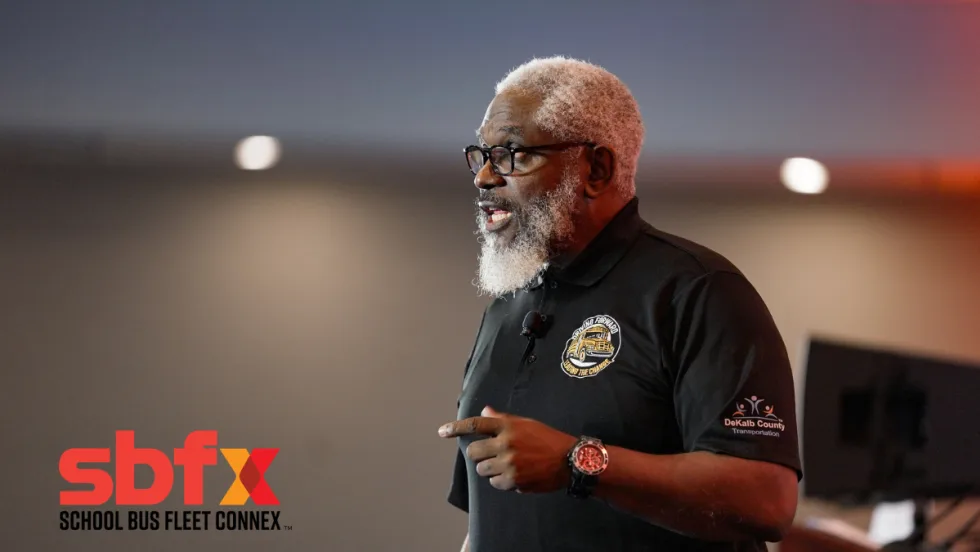
What I Brought Home From SBFX: Relationships, Leadership, and Preparing What's Next
Who could lead your transportation operation tomorrow if you couldn't? Bernando Brown explores succession planning, mentorship, and preparing emerging leaders to step up.
Read More →
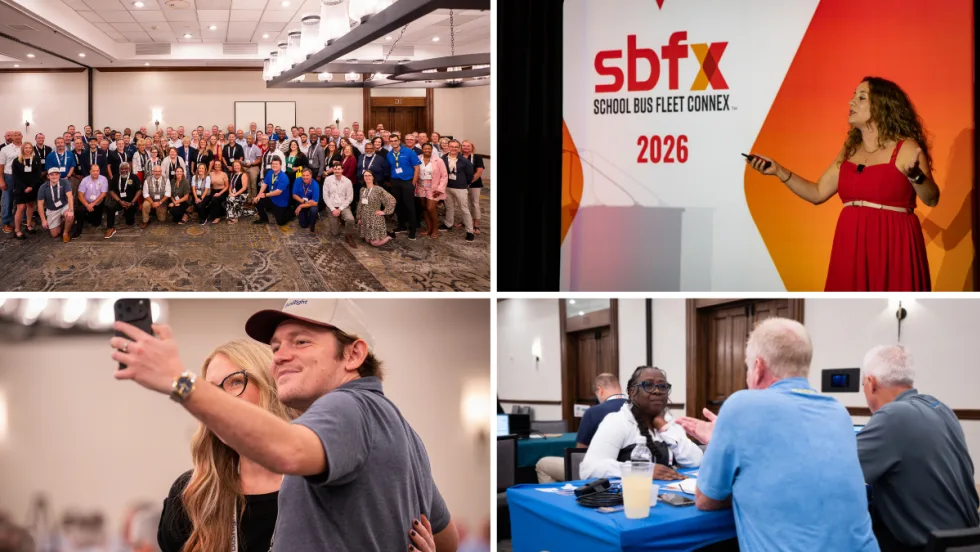
Inside School Bus Fleet ConneX 2026: Industry Leaders Connect in Scottsdale [Photos]
See highlights from SBFX 2026 in Arizona, where school bus operators and suppliers gathered for meetings, education, networking, awards, and more.
Read More →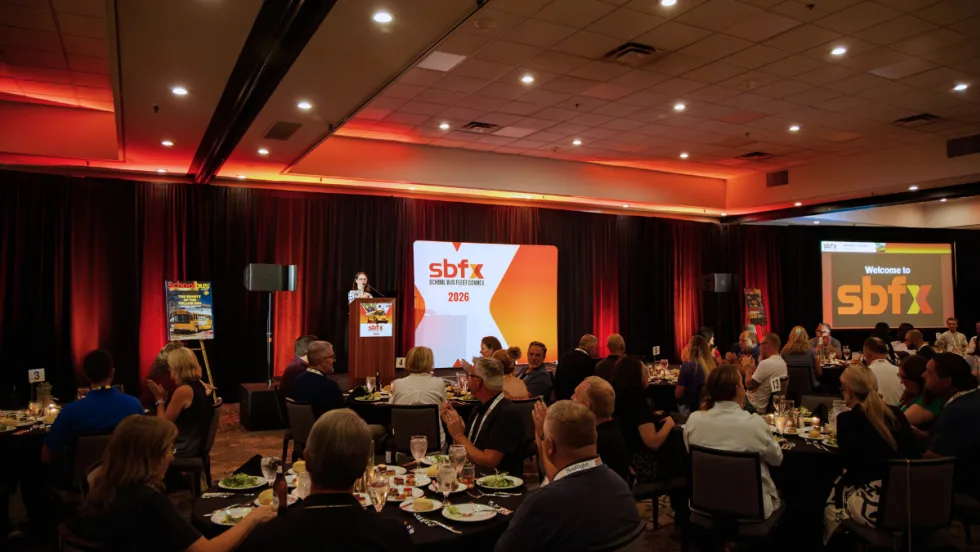
School Transportation’s Biggest Pressures and Opportunities: SBFX Attendees Weigh In
School bus operators point to rising costs, staffing, and vehicle prices as immediate pressures while identifying technology, training, and routing as opportunities for growth.
Read More →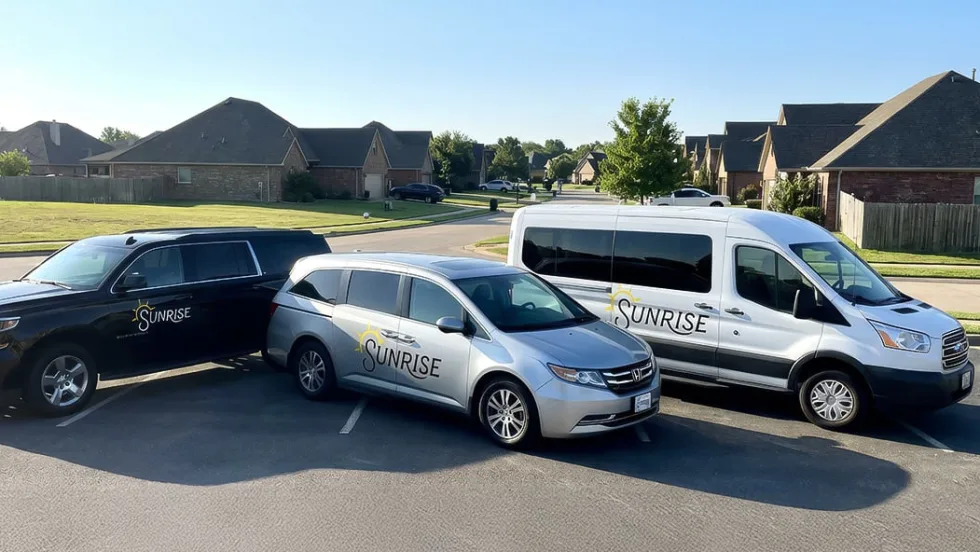
STA Acquires Sunrise Transportation
Student Transportation of America expands in Illinois and Connecticut through Sunrise's fleet of nearly 1,000 vehicles.
Read More →
EPA Opens $180M DERA Funding Round for Diesel Upgrades
The 2026 Diesel Emissions Reduction Act program seeks applications from eligible organizations to accelerate the retirement of legacy diesel vehicles.
Read More →
HopSkipDrive’s CareEngine Targets the ‘Exceptions’ in Student Transportation
The new platform works alongside districts’ existing transportation management systems to coordinate specialized rides, automate last-minute changes, and turn ride data into operational improvements.
Read More →
The Right Ride for Every Student: Navigating the New Student Transportation Ecosystem
How should districts blend school buses with small-vehicle transportation and other options? EverDriven CEO Mitch Bowling discusses safety, costs, partnerships, and strategy.
Read More →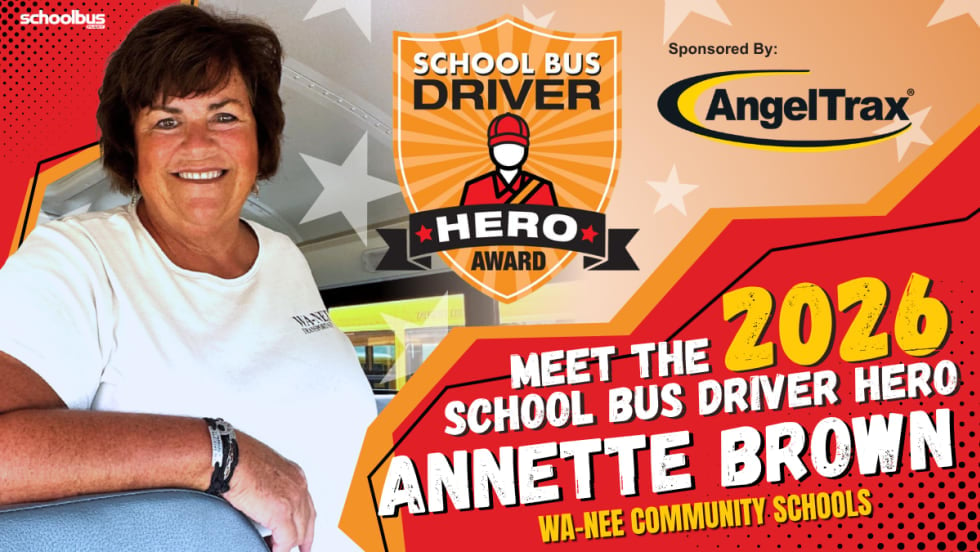
Annette Brown Always Takes the Extra Time: Meet Our 2026 School Bus Driver Hero
For more than 30 years, the Wa-Nee Community Schools driver has treated students like family, combining safety, compassion, and servant leadership to make a lasting difference on and beyond the school bus.
Read More →