




Exterior sensors mandated on New Jersey school buses
Gov. Chris Christie signs a bill that requires sensors to alert the school bus driver if there are children in front or in back of the bus.

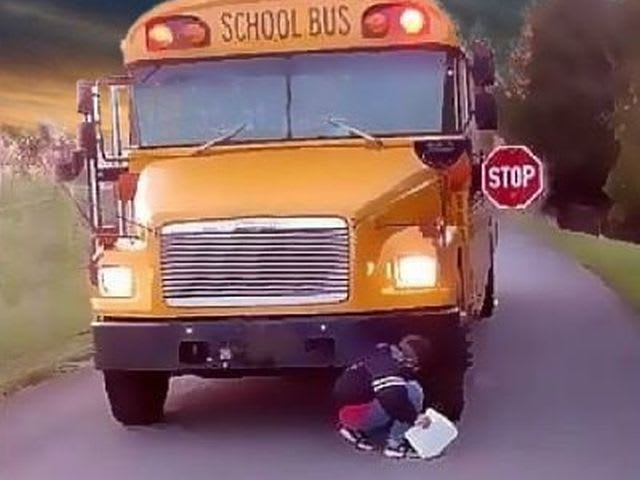
New Jersey Gov. Chris Christie has signed a bill that requires sensors to alert the school bus driver if there are children in front or in back of the bus.

New Jersey Gov. Chris Christie has signed a bill that requires sensors to alert the school bus driver if there are children in front or in back of the bus.
TRENTON, N.J. — New school buses in New Jersey will have to be equipped with exterior object-detecting sensors under a bill signed into law on Tuesday.
The bill was dubbed "Abigail's Law" for Abigail Kuberiet, a 1-year-old girl who was killed in 2003 at the front of a stopped school bus in South Plainfield, New Jersey. Sponsors of the bill said that the school bus driver in that incident couldn’t see the girl from the driver's seat.
"The use of available technology will facilitate safe driving and prevent fatal accidents," said Assemblyman Patrick Diegnan, a primary sponsor of the bill. "When an alarm sounds if a child is in the vicinity of the bus, the operator will immediately be made aware of the situation and will not move forward, and a life will be saved."
Gov. Chris Christie gave final approval to the legislation on Tuesday after it passed both houses of the state Legislature by unanimous votes — notable considering that “Abigail’s Law” had been introduced in previous legislative sessions but had not passed.
The required sensors will alert the school bus driver if there are children in front or in back of the bus. The devices will have to conform to regulations approved by the State Board of Education, in consultation with the New Jersey Motor Vehicle Commission.
The mandate goes into effect for newly manufactured school buses in 180 days from the bill’s approval. A fiscal estimate on the bill indicated that the cost per school bus may range from about $900 to $1,300, depending on the configuration of the sensors.
"Regardless of how much we teach the importance of school bus safety to children, accidents can happen in just the blink of an eye," said Assemblywoman Gabriela Mosquera, another primary sponsor of the bill. "Putting sensors on buses simply is an additional step that can help reduce the likelihood of an accident and keep children in New Jersey safe."
More Safety
FMCSA Names New Chief Safety Officer: What School Bus Operators Should Know
Steve Dowling is set to lead the federal agency's efforts to advance commercial motor vehicle safety and reduce crashes, fatalities, and injuries on the nation's roadways.
Read More →
New Study Finds School Zone Speed Safety Cameras Cut Speeding Violations 97%
A Florida university's research demonstrates that Verra Mobility's automated enforcement changes driver behavior and significantly improves school zone safety.
Read More →
What Changed in DOT’s New National Roadway Safety Strategy?
The federal agency's new plan shifts its focus to safer people, roads and vehicles, with a new three-pronged approach instead of five. One outlined action even addresses a key industry concern around illegal school bus passing.
Read More →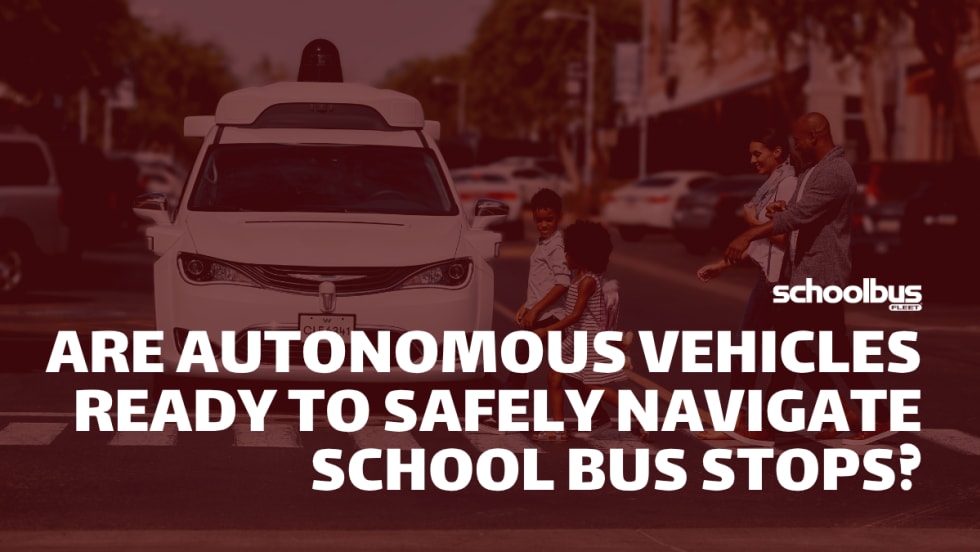
Are Autonomous Vehicles Ready to Safely Navigate School Bus Stops?
NHTSA is accelerating autonomous vehicle deployment through new safety standards and commercial approvals. See why school transportation leaders are watching.
Read More →
NFL Star Lomas Brown Kicks Off New Illegal School Bus Passing PSA
Just in time for the back-to-school season, the former Detroit Lions offensive tackle took time to record a video encouraging motorists to slow down around school buses.
Read More →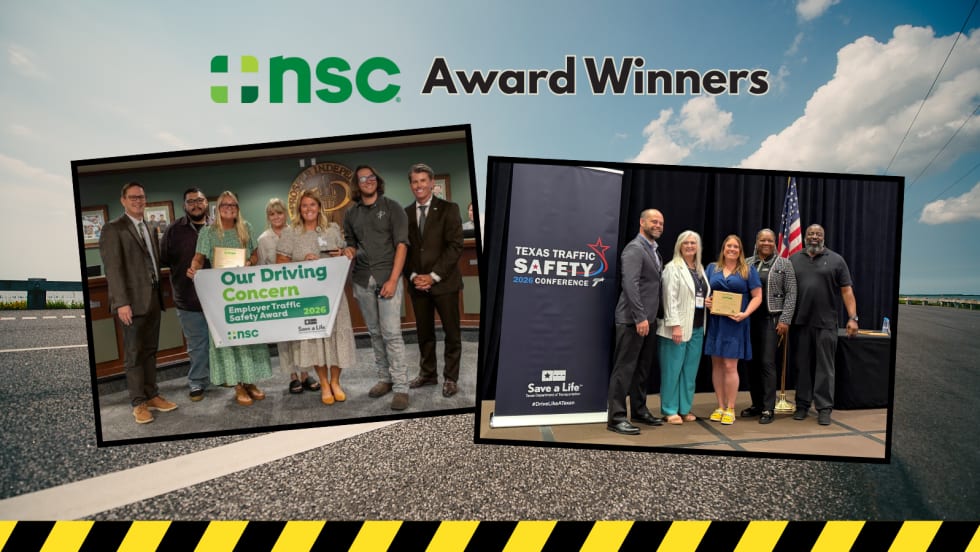
How Two Texas Districts Built Award-Winning Safety Programs
Learn how Prosper ISD and Rockwall ISD earned National Safety Council honors through hands-on training, safety culture, and strategies that reduced transportation incidents.
Read More →
NHTSA Releases 10-Year Review of Fatal School Bus Crashes
The latest federal analysis reinforces the safety of school buses while identifying where school-age pedestrians and other motorists remain most at risk.
Read More →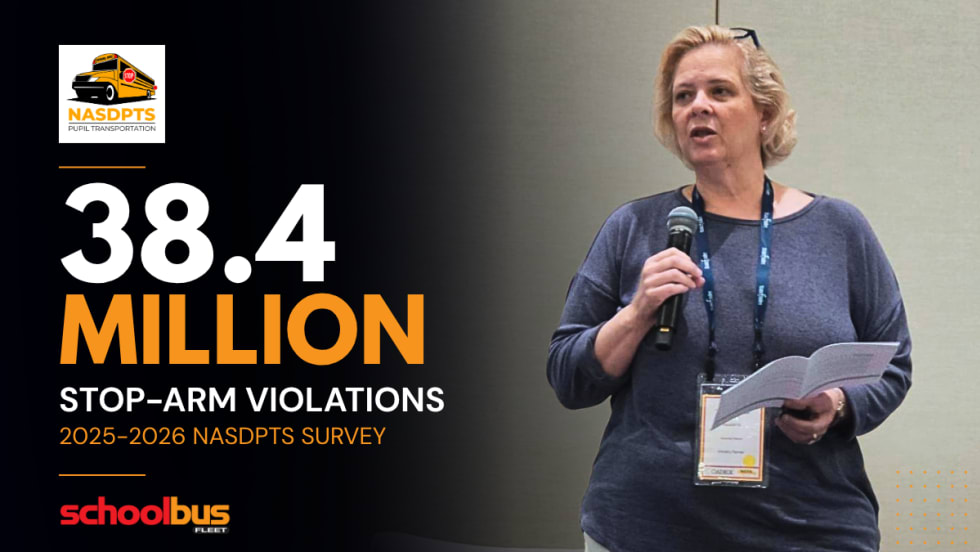
2026 NASDPTS Survey: Data Shows Further Reduction of Illegal Passing
New data is in! School bus stop-arm passings are down to 38.4 million violations per year, about a 2.3% decrease from last school year — but passings on the right side of the bus are higher than ever.
Read More →
Another School Bus Fatality Reported in Monsey, New York
A 7-year-old girl died after being struck by a school bus in Rockland County, New York while crossing the street. Here's what we know.
Read More →
NSTA Announces 2026 School Bus Driver International Safety Competition Winners
Drivers from across the U.S. and Canada showcased their safety and driving skills, with two defending champions successfully retaining their titles.
Read More →