





Going Green: Contemplating Repower? ChatGPT Has Some Suggestions
EPA Clean Heavy-Duty Vehicle Grant Program Application Deadline Approaching
Breaking down the basics of the program and answering questions you may have about it.
July 16, 2024
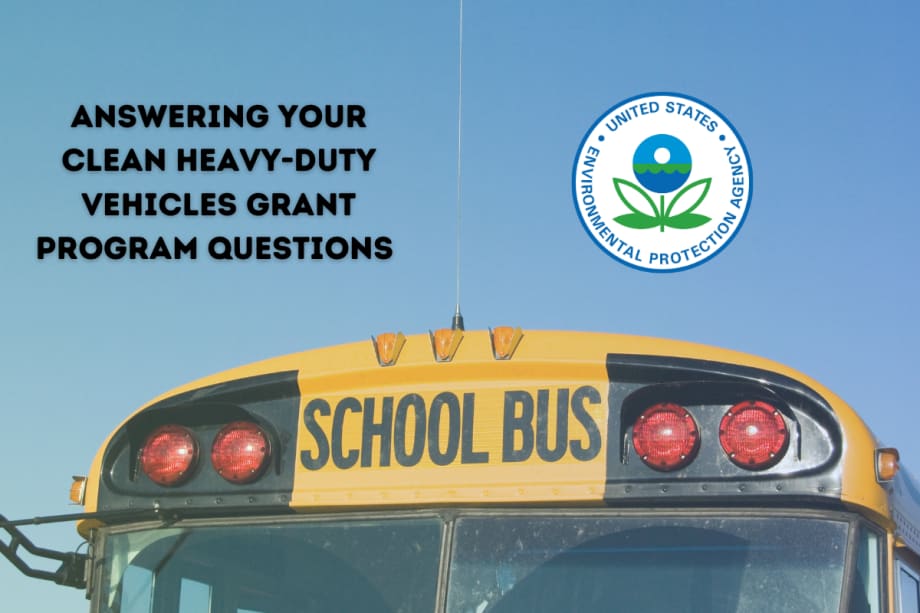
Grant funding can be used to replace Class 6 and 7 vehicles with zero-emission vehicles, including school buses.
Photo: EPA/School Bus Fleet
3 min to read
Time is running out for school transportation directors to turn in applications for the Environmental Protection Agency's $1-billion Clean Heavy-Duty Vehicles Grant Program. As School Bus Fleet previously reported, the program was announced in April 2024.
The grants can be used to replace Class 6 and 7 vehicles with zero-emission vehicles, including school buses.
The program is broken down into two sub-categories: the School District Sub-Program and the Vocational Vehicles Sub-Program. The former applies only to public school districts, not contractors.
Applications are due by 11:59 P.M. eastern time on July 25, 2024.
The Notice of Funding Opportunity offers up to $932 million in funding for eligible clean heavy-duty vehicles.
Got Questions? We Have Answers
The EPA answered common questions about the program for potential applicants.
Q: How can the funding be used?
A: In addition to the purchase of zero-emission vehicles, funding can also be used for:
zero-emission vehicle refueling infrastructure
workforce development and training
project implementation costs
Q: What types of powertrains are eligible for school bus replacements?
A: The ZEV options eligible to replace non-ZEV school buses must have battery-electric or hydrogen fuel cell powertrains.
Q: How does this differ from the Clean School Bus Program?
A: The Clean Heavy-Duty Vehicles Program expands to non-school buses, providing funding for vehicle replacements, the deployment and operation of ZEV infrastructure, and workforce development and training for funded vehicles and infrastructure. The Clean School Bus Program is entirely separate from this program. Another round of funding for the Clean School Bus Program is expected to open in the fall.
Q: How many grants will the EPA fund under the 2024 program?
A: The EPA anticipates awarding approximately 40 to 160 grants and/or cooperative agreement under the 2024 grant program, subject to the availability of funds, the quantity and quality of applications received, agency priorities, and other applicable considerations.
Q: How will the EPA determine who to give the funds to?
A: In making the final funding decisions, the EPA may consider geographic diversity of funds, number and size of awards, environmental benefits, applicability of different business models, and other agency and programmatic priorities.
Q: Are there requirements for vehicle replacement minimums?
A: Yes. Applicants applying through the School District Sub-Program must replace a minimum of 10 school buses. Tribal and territory applicants are not subject to vehicle replacement minimums. There is no maximum limit set for vehicle replacements.
Q: Are private vehicle fleets eligible to apply?
A: No. The EPA encourages private third-party companies interested in applying to replace school buses through the Clean School Bus Program. However, nonprofit school transportation providers are eligible to apply.
Q: Are early childhood education programs eligible to apply?
A: Head Start and community-based childcare programs cannot apply directly for the funds. However, if they operate as part of a school district with a National Center for Education Statistics District ID, the school district could apply for funding to replace buses serving such programs.
The EPA anticipates notifying selectees by November 2024 and awarding the grants by February 2025.
Click here for a list of application documents for the Clean Heavy-Duty Vehicles Grant Program.
More Alternative Fuels

CALSTART and Forth Combine to Form Catalyst Mobility
The new name represents a renewed vision for the nonprofit focused on advancing clean, equitable, and affordable transportation solutions that move people and goods.
Read More →
Alt-Fuel Moves: New Buses, Charging Hubs & Real-World EV Testing
Propane and electric school bus deployments continue to grow as districts add new vehicles, expand charging infrastructure, and gather more real-world operating data.
Read More →
Fewer Electric School Bus Models Reshape the U.S. Market
WRI’s latest buyer’s guide points to a consolidating electric school bus market, but fewer options may reflect a maturing industry rather than fewer meaningful choices for school bus operators.
Read More →
The Fuel Budget You Can Actually Predict: How Propane Autogas Keeps Money in the Classroom
Learn how propane autogas helps school districts manage fuel costs with predictable pricing, lower maintenance, and reduced emissions from former transportation director Joel Stutheit.
Read More →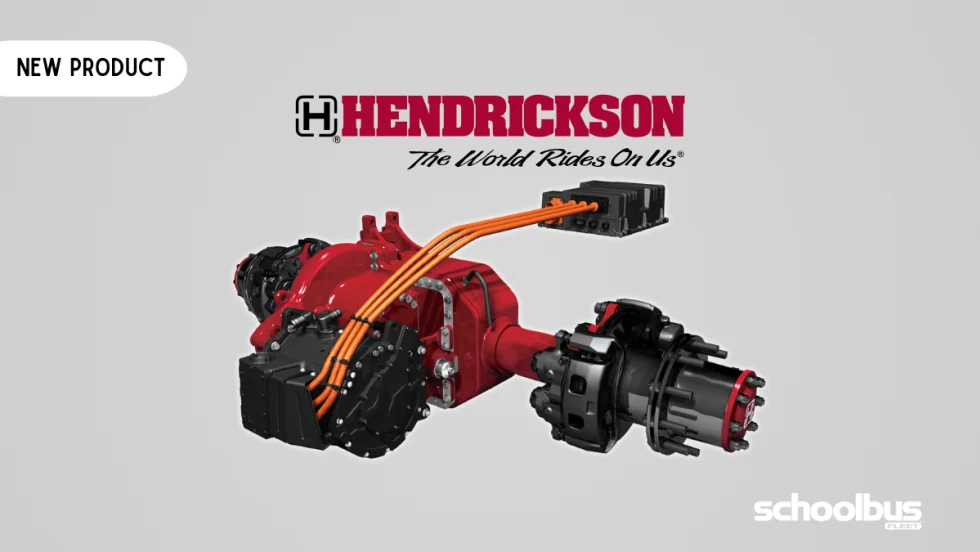
Hendrickson, Driventic Introduce New Electric Powertrain for School Buses
ELECTRAAX, the electrified, lightweight drive axle offers integrated ePowertrain efficiency and modular flexibility for Class 6–7 school bus use.
Read More →
The Mobility House Joins PowerFlex in Fleet Electrification Deal
The acquisition combines intelligent charging software, bidirectional charging expertise, and fleet electrification services to support the growing adoption of electric school buses across North America.
Read More →
Alt-Fuel Moves: Electric School Bus Investments Hit the Road
See which districts across the U.S. are putting electric school buses into service, expanding charging infrastructure, and planning the next phase of fleet electrification.
Read More →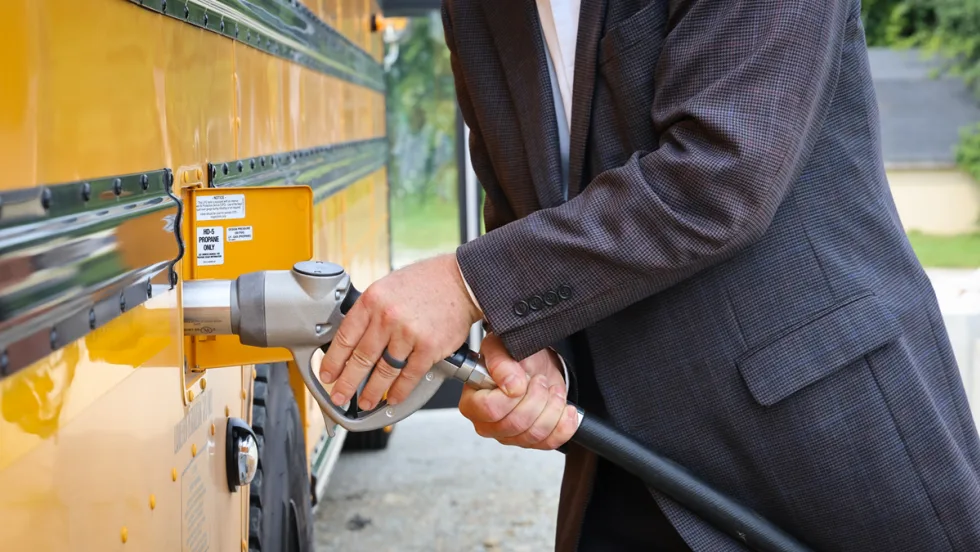
With Fuel Volatility Ahead, School Districts Turn to Propane
While diesel prices peaked above $5 this spring, districts with propane autogas-powered fleets paid under $2 per gallon, according to PERC.
Read More →
EPA Unveils Proposed Changes to 2027 Heavy-Duty Engine Rules
The federal agency has proposed changes to next year’s targets that would eliminate DEF derates, ease warranty requirements, and retain current NOx emissions standards.
Read More →
Alt-Fuel Moves: EV Charging & Infrastructure Projects Gain Momentum
The latest developments include new funding, charging infrastructure, utility investments, and fleet technologies designed to support the transition to electric school buses nationwide.
Read More →