




District must increase security for special-needs students on buses
Under a settlement agreement with the U.S. Department of Justice, a Tennessee school district is required to enhance the safety of students with disabilities by taking such steps as staffing monitors to assist drivers on all special-needs buses. The settlement is the result of a lawsuit stemming from episodes of peer-on-peer sexual harassment on buses operated by the district.

WASHINGTON, D.C. — The U.S. Department of Justice has entered into a settlement agreement with the Metropolitan Government of Nashville, Tenn., and Davidson County, Tenn., to enhance the security of students with disabilities on public school buses. The settlement is the result of a lawsuit stemming from episodes of peer-on-peer sexual harassment on special-needs buses operated by Metropolitan Nashville Public Schools.
The U.S. intervened in the lawsuit, Lopez & U.S. v. Metropolitan Government of Nashville and Davidson County, et al., to address systemic deficiencies that resulted in sexual assault and harassment of students with disabilities on special-education buses run by the district. The acts of harassment violated Title IX of the Education Amendments of 1972, which prohibits discrimination and harassment based on sex.
The agreement, in the form of a consent decree and subject to approval by Judge Robert Echols, obligates Metropolitan Nashville Public Schools to take substantial steps to enhance the security of students with special needs on its school transportation system. The steps include staffing bus monitors to assist drivers on all special-education buses; implementing comprehensive screening procedures to ensure that students with disabilities are not assigned to buses where they would be at risk of harassment; expediting the investigation of suspected acts of sexual harassment involving students with disabilities; and ensuring open lines of communication between transportation officials and school-based personnel.
As part of the settlement, $1.475 million will be paid to a 9-year-old autistic child who was assaulted on an unmonitored special-needs bus and compelled to perform oral sex on a 19-year old student. The victim reportedly developed severe post-traumatic stress disorder in the aftermath of the assault and was institutionalized.
"While all victims of sexual assault suffer emotionally and psychologically, sexual assault can have a particularly devastating impact on children with disabilities," said Thomas E. Perez, assistant attorney general for the Department of Justice’s Civil Rights Division. "We will act decisively to enforce federal anti-discrimination laws against school districts that are deliberately indifferent to circumstances that threaten the safety and security of students with disabilities."
Edward M. Yarbrough, U.S. attorney for the Middle District of Tennessee, also noted that the region’s U.S. Attorney’s Office will work with the Department of Justice to deal strictly with those who fail to protect children with disabilities and to prevent incidents of sexual harassment from occurring in the future.
More Special Needs Transportation
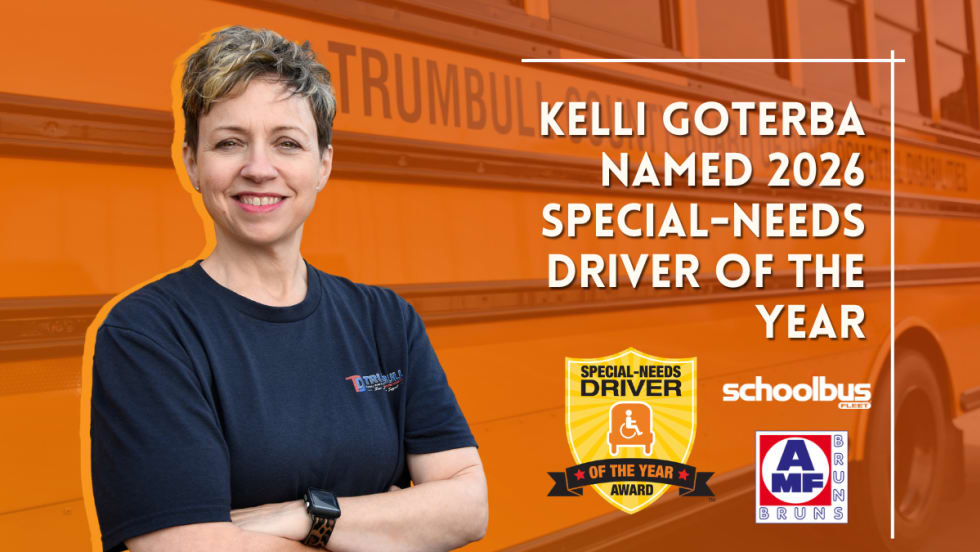
Kelli Goterba Named 2026 Special-Needs School Bus Driver of the Year
Through building trust with students and strengthening her transportation team, Goterba exemplifies the impact special-needs drivers can make.
Read More →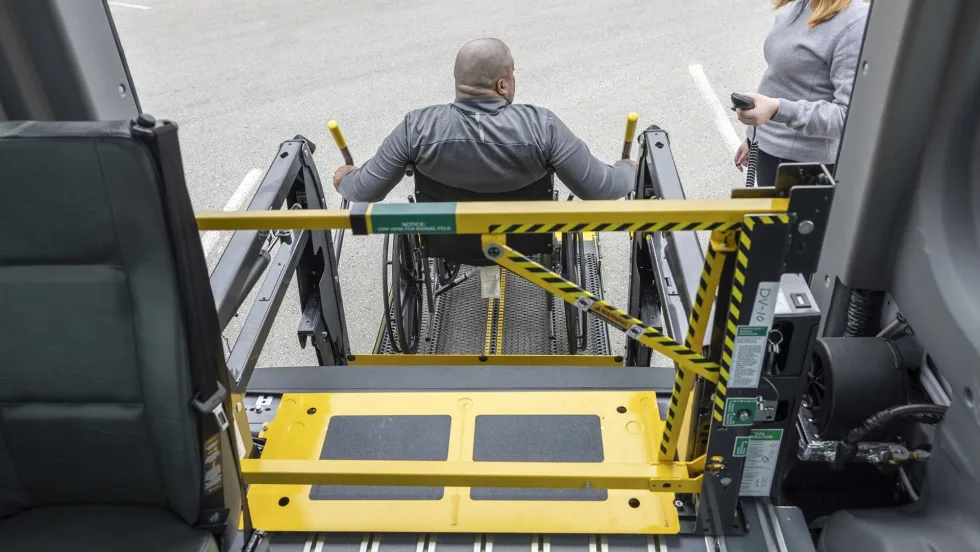
BraunAbility Introduces New Safety Barrier for Wheelchair Lifts
LiftSentinel is designed to add another layer of protection during wheelchair loading and unloading and can be retrofitted to many existing commercial lift installations.
Read More →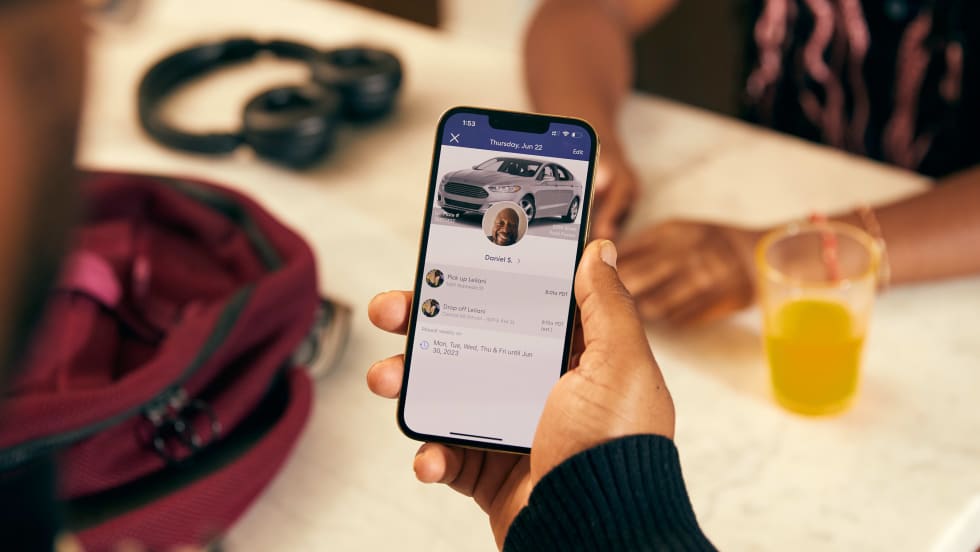
HopSkipDrive Launches New Safety, Driver Consistency Features for 2026-27 School Year
The company’s free ride recording, live ride tracking, and consistent driver assignments aim to improve safety and continuity for diverse student transportation needs.
Read More →
The Most Common Wheelchair Securement Mistakes on School Buses (and How to Fix Them)
Small missteps in wheelchair securement can have serious consequences. Here are 32 tips from experts to reduce risk and increase student safety on the bus.
Read More →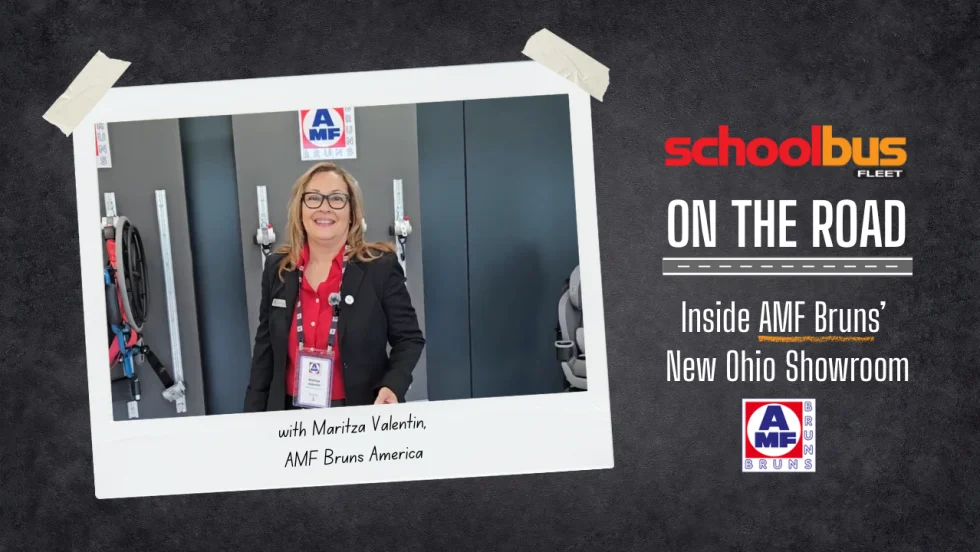
Inside AMF Bruns’ New Showroom: School Bus Securement Solutions Explained
Go inside AMF Bruns America’s new Ohio showroom with Maritza Valentin to see its FutureSafe technology, driver training tools, securement systems, and seating innovations.
Read More →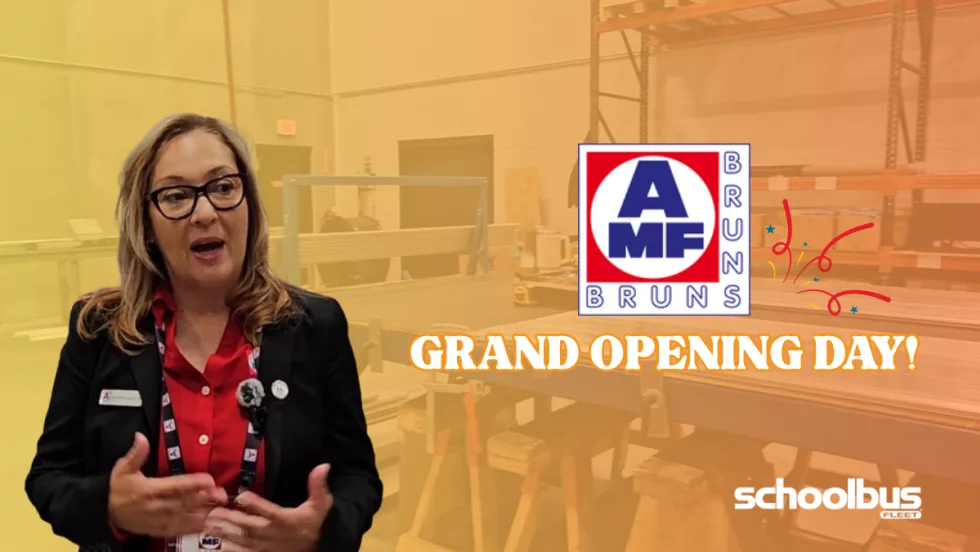
What AMF Bruns’ New Facility Means for Customers [Video]
Inside AMF Bruns’ new Stow, Ohio, operations: See how expanded space and innovation will enhance customer support and operations.
Read More →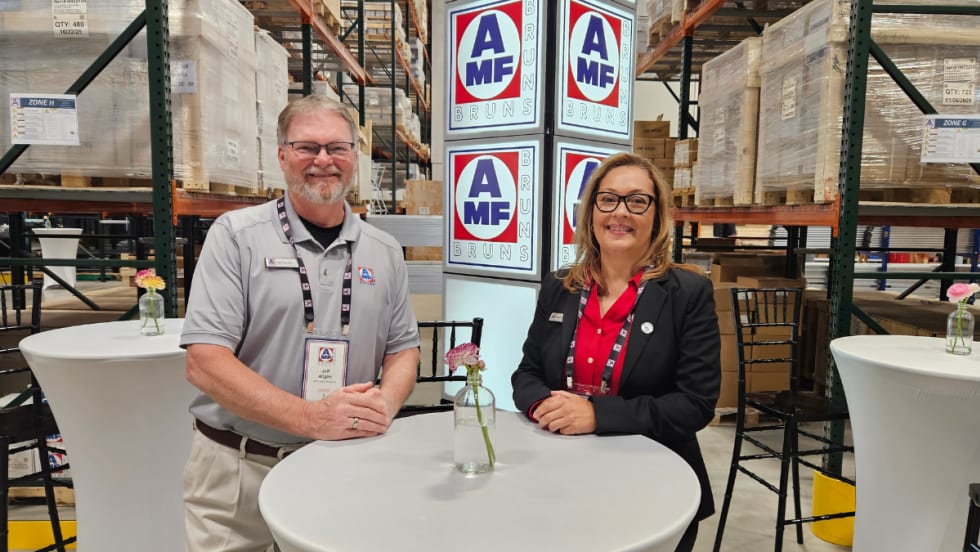
AMF Bruns Expands in Ohio, Investing in Growth and Community
With expanded production space, local investment, and a growing workforce, AMF Bruns is scaling its U.S. presence. Here’s an exclusive first look inside the new Stow, Ohio, HQ.
Read More →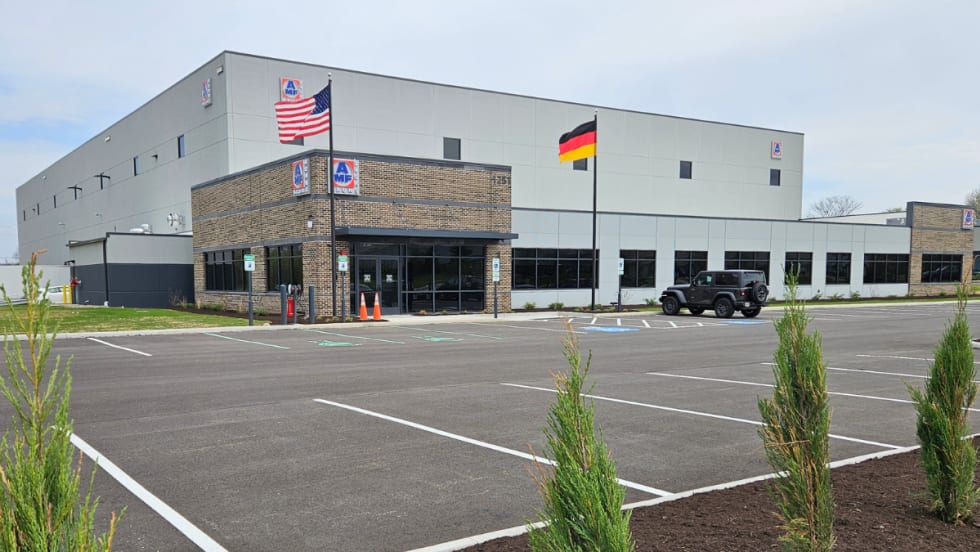
Inside AMF Bruns of America’s New Ohio Manufacturing Facility [Photos]
Take a behind-the-scenes look at AMF Bruns of America’s new 41,000-square-foot Stow, Ohio, headquarters, featuring advanced manufacturing, expanded space, and future-ready mobility solutions.
Read More →
First Student Boosts Student Support in Wichita & Texas
First Student and Wichita Public Schools are using behavioral support strategies to improve student ride experiences, while a separate initiative expands access to after-school programs through a bus donation.
Read More →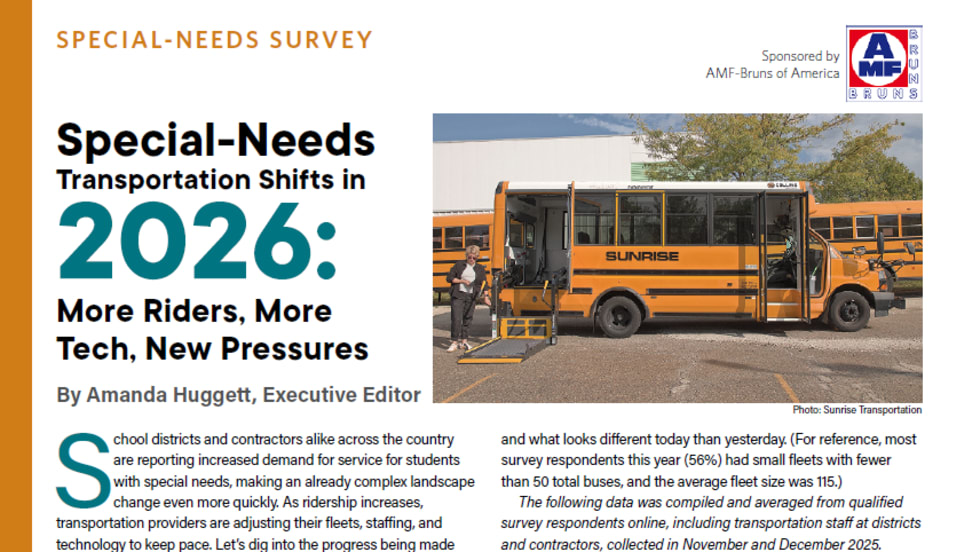
2026 Special-Needs Transportation Survey
What’s changing in special-needs transportation? This year, student transportation operators report a rising need, easing driver shortages, growing tech adoption, and evolving challenges. Sponsored by AMF Bruns of America.
Read More →