



District buses special-ed kids, expects $400K in savings
Clovis (Calif.) Unified School District brings the service in house after it had been contracted and sees ridership growth in addition to financial benefits. Director of Transportation Charlie Ott discusses this with SBF, as well as the steps that were taken to make the transition this school year.
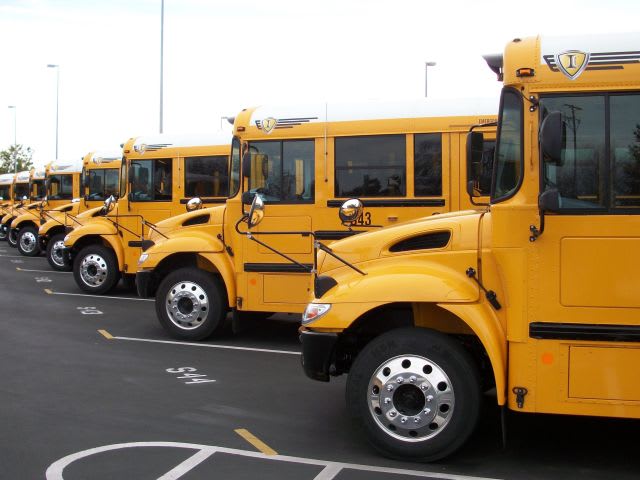
Clovis (Calif.) Unified School District added 65 buses to its fleet when transitioning from contractor- to district-run special-needs bus service.
CLOVIS, Calif. — This school year, Clovis Unified School District (USD) brought its special-education school bus service in house and anticipates a savings of about $400,000 per year as a result.
The district had been contracting the service when Director of Transportation Charlie Ott joined the operation two years ago after previously working at Yuba City (Calif.) USD. At the latter district, he oversaw the transition from contracted to district-run bus service, and he told SBF in an interview that it continues to be a successful move for Yuba City.
“We were a small school district running 20 bus routes, and we were capable of transporting special-needs students in house,” Ott said of Yuba City USD. “Our school board asked for an independent study through FCMAT. Their study pretty much mirrored the study that I’d done on my own, which indicated that we could save more by providing the service in house as opposed to contracting it out. That was back in 2000.”
Ott applied what he learned from his experience at Yuba City USD when beginning the transition at Clovis USD.
He approached the contractor’s management team to inform them that Clovis would be bringing in house 60 bus routes starting with the 2011-12 school year. Realizing that this could affect bus drivers’ employment for the next year, those who worked for the contractor were given an opportunity to interview for positions within the school district.
“We printed some flyers informing people that we were taking back our routes, and I had all of my instructors at all of our school sites as their buses arrived. We tried to let their staff know as best we could,” Ott added.
To further assist in driver recruitment, two open houses were held. In total, 54 drivers were hired, 11 of which came over from the school bus company.
Operational, ridership growth
The district also grew its fleet from 89 buses to 145. Aside from hiring the drivers and several more technicians to maintain the buses, the district only hired one clerical person and two more driver trainers.
“I was more conservative with my staffing,” Ott said of his work at Clovis compared to Yuba City during the transition. “You will need additional help, but you need to plan that efficiently. I’d rather be in a position of having to hire someone else than lay off four people who aren’t needed.”
All of the district’s new buses are capable of accommodating wheelchairs — for instance, the floors are fully tracked so that seats can be removed to make room for wheelchairs. Ott said he’s found that it’s important to have buses that are as “flexible” as possible to help manage changes in the special-education ridership and their needs.
The transportation department expanded its parking lot to accommodate the new buses, and a new driver break room and training offices were built at the facility.
Long-term cost savings
All of the changes cost a reported $8 million, but Ott said the district will see long-term savings.
Ott said the number of special-needs students the district transports has grown by about 29 percent — from 479 students to 671 students — since the beginning of the school year. This growth will lend itself to the aforementioned $400,000 in savings annually.
He arrived at the estimated $400,000 annual savings by completing an analysis of the total cost of continuing with the school bus company, taking into consideration historical data that the contract used, such as consumer price index for urban areas figures and cost of living allowance figures and running them on a spreadsheet for the next 18 years. He then totaled all of Clovis USD's costs, including the parking lot, buildings, buses, positions, salutatory benefits, health and welfare benefits and retirement, including historical data, and compared the bus company and school district numbers at 12-, 15-, and 18-year intervals.
“There’s a high level of trust in Clovis employees,” Ott added. “Many of those special-ed passengers were eligible for bus service, and they started riding the bus once the service was brought in house.”
(The district also transports approximately 6,500 general-ed students. Special-needs students and their general-ed peers are transported on 100 routes that serve 49 schools.)
Ott said his fleet will also save the district money in the long run. He purchased buses and equipment that he feels will have longevity.
In the case of his operation’s IC Bus Type C units, for example, Ott said they will probably last 20 years if they are well maintained.
Extensive driver training, outreach to parents
Clovis USD’s transportation staff also dedicated many hours to driver training after the decision was made to bring special-needs bus service in house.
“Probably the biggest factor to our success with this program is that we looked at everything and determined that the biggest focus needed to be on training,” Ott said. “We go way beyond the minimum number of hours for classroom and behind-the-wheel training.”
Ten hours alone are spent on loading and unloading for students in wheelchairs. Bus drivers work with an instructor performing the procedure with a wheelchair.
Good customer service was also essential to Ott when rolling out the program. Numerous announcements were made to parents prior to completing the transition, and a handbook was created for parents that contains information about how Clovis USD’s transportation program operates.
Moreover, in August, before the start of the school year, all of the school bus drivers visited parents and their special-needs children at home to distribute the handbook, introduce themselves and address any questions or concerns the parents had. Ott said the drivers arrived in their buses so that the parents and students could board them.
“It was well received and it broke the ice. We’ll probably do that year after year,” he added, and noted that he’s received a lot of positive feedback from parents about the operation’s special-needs bus service.
In addition to driver training being a large part of the program’s success, Ott credits his department's employees for their hard work.
“I’ve worked with a lot of transportation staff before, and this is the best team I’ve ever had. I could see that in them, so I knew that they would be successful,” he said.
More Special Needs Transportation
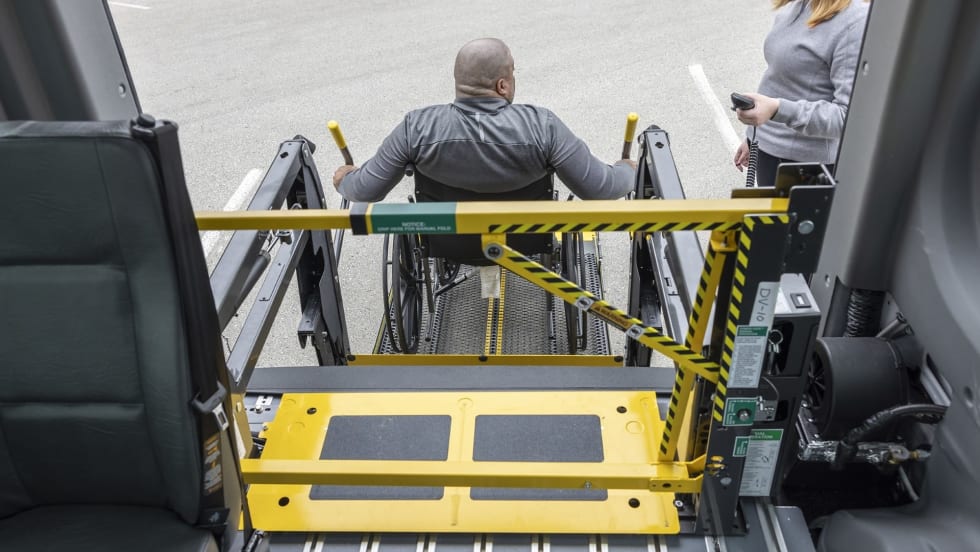
BraunAbility Introduces New Safety Barrier for Wheelchair Lifts
LiftSentinel is designed to add another layer of protection during wheelchair loading and unloading and can be retrofitted to many existing commercial lift installations.
Read More →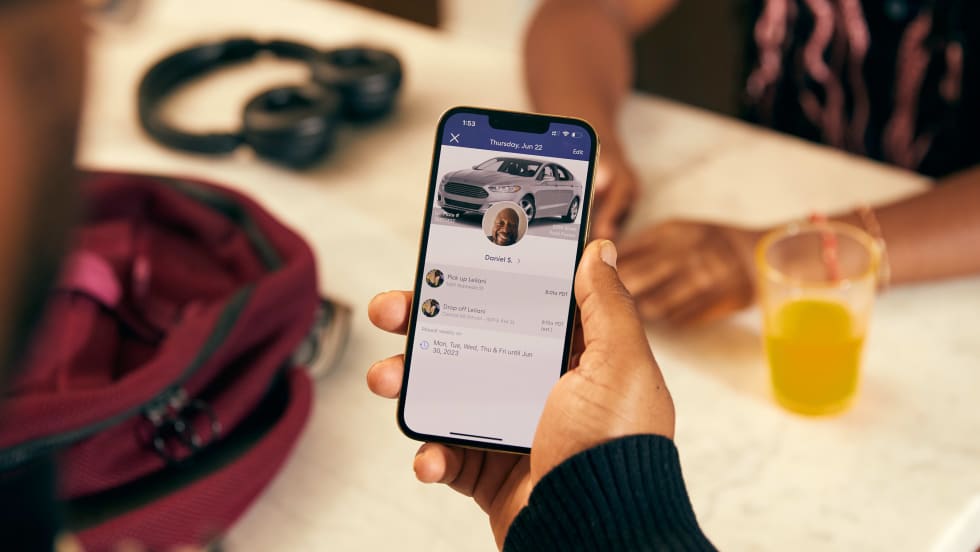
HopSkipDrive Launches New Safety, Driver Consistency Features for 2026-27 School Year
The company’s free ride recording, live ride tracking, and consistent driver assignments aim to improve safety and continuity for diverse student transportation needs.
Read More →
The Most Common Wheelchair Securement Mistakes on School Buses (and How to Fix Them)
Small missteps in wheelchair securement can have serious consequences. Here are 32 tips from experts to reduce risk and increase student safety on the bus.
Read More →
Inside AMF Bruns’ New Showroom: School Bus Securement Solutions Explained
Go inside AMF Bruns America’s new Ohio showroom with Maritza Valentin to see its FutureSafe technology, driver training tools, securement systems, and seating innovations.
Read More →
What AMF Bruns’ New Facility Means for Customers [Video]
Inside AMF Bruns’ new Stow, Ohio, operations: See how expanded space and innovation will enhance customer support and operations.
Read More →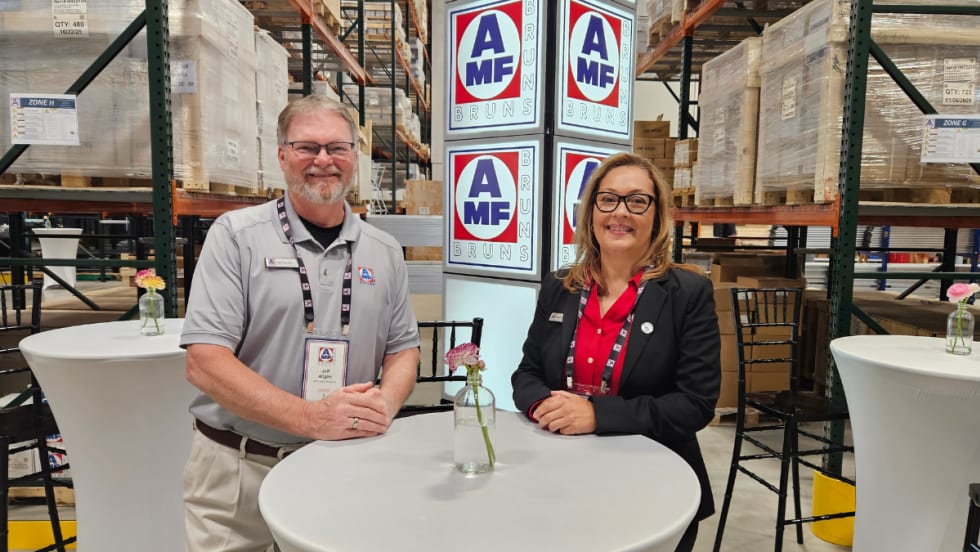
AMF Bruns Expands in Ohio, Investing in Growth and Community
With expanded production space, local investment, and a growing workforce, AMF Bruns is scaling its U.S. presence. Here’s an exclusive first look inside the new Stow, Ohio, HQ.
Read More →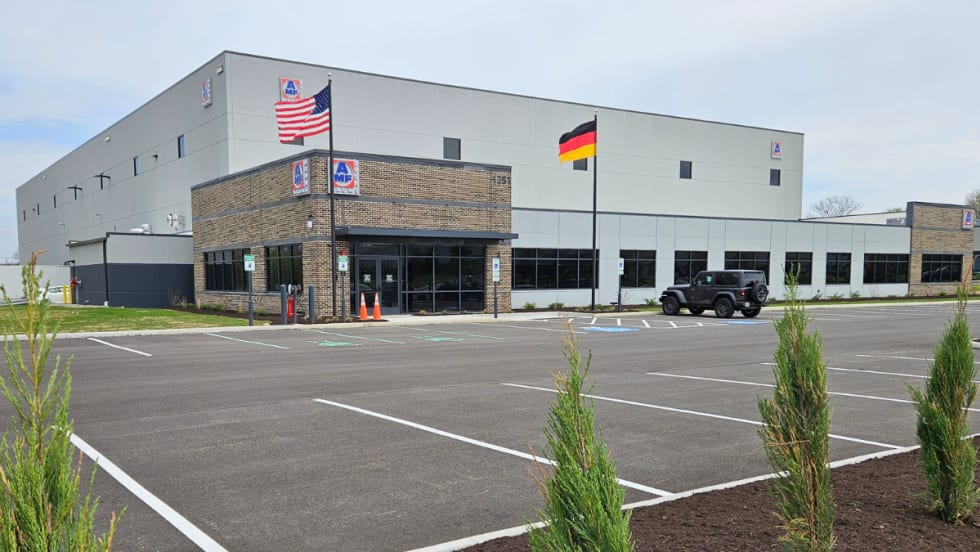
Inside AMF Bruns of America’s New Ohio Manufacturing Facility [Photos]
Take a behind-the-scenes look at AMF Bruns of America’s new 41,000-square-foot Stow, Ohio, headquarters, featuring advanced manufacturing, expanded space, and future-ready mobility solutions.
Read More →
First Student Boosts Student Support in Wichita & Texas
First Student and Wichita Public Schools are using behavioral support strategies to improve student ride experiences, while a separate initiative expands access to after-school programs through a bus donation.
Read More →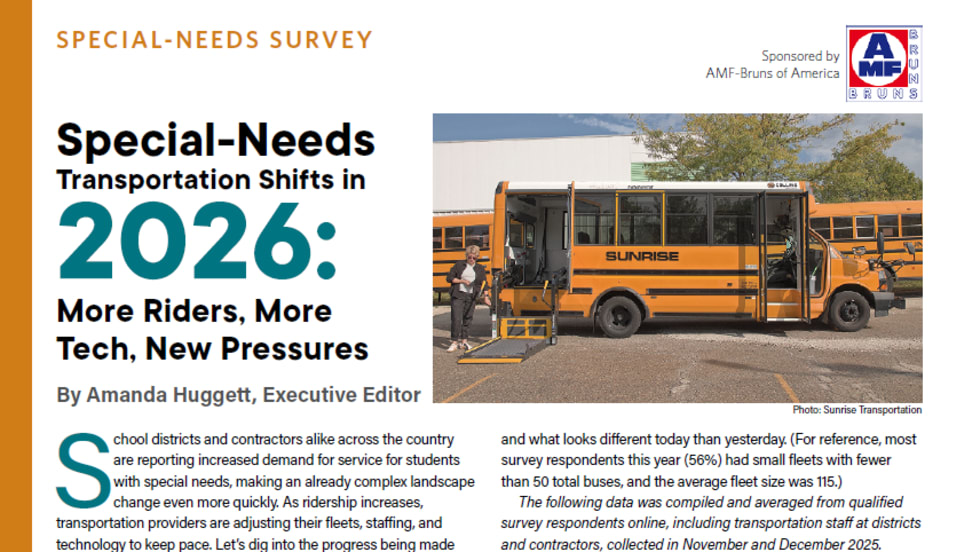
2026 Special-Needs Transportation Survey
What’s changing in special-needs transportation? This year, student transportation operators report a rising need, easing driver shortages, growing tech adoption, and evolving challenges. Sponsored by AMF Bruns of America.
Read More →
The Lived-Experience Gap in Mobility Tech: An Expert Take on Safe Student Transportation
Brianna Pauwee, a product application specialist at AMF Bruns of America and a wheelchair user, drops in to The Route to share practical securement and training insights, plus the story behind the new “Beyond Mobility” podcast. The Route is sponsored by IC Bus.
Read More →