




Contractors give varying outlooks on healthcare bill
Some executives at school bus companies see increased costs that they will have to pass on to the school districts they serve. Others are hoping that the price of buying healthcare will go down.

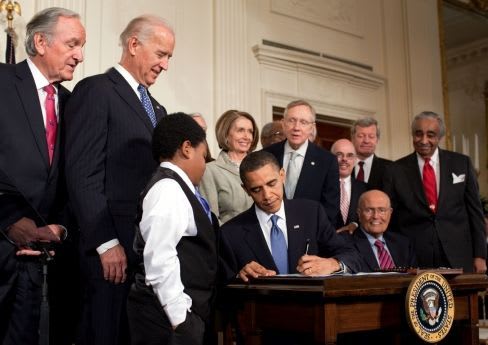
President Obama signs healthcare reform legislation on Tuesday. Some school bus contractors see increased costs for their businesses, while others are hoping for reduced prices in buying healthcare.
As Congress and President Obama passed sweeping healthcare reform legislation this week, school bus contractors assessed how the overhaul could impact their businesses.
SBF contacted executives at school bus companies across the country, and they gave varying perspectives. Some were not yet sure how the bill might affect them. Others see increased costs coming.
“There are still a lot of details to come out of this bill that need to be understood, but needless to say, this is going to have a significant impact on the cost of operating a school bus,” said John Corrado, president of Suffolk Transportation Service in Bay Shore, N.Y. “Since this affects everyone, our customers have to be prepared to support these expenses. It will be up to us as an industry to make sure that we communicate any new financial obligations well in advance so that district budgets can be adjusted accordingly.”
Magda Dimmendaal, CEO of Dousman (Wis.) Transport Co., offered a similar outlook.
“It’s too early to tell or be sure of the full impact. … One thing’s for sure: The cost of this will need to be passed on, and that will be very difficult for school districts to absorb,” Dimmendaal said. “Every district we work with has been having to make drastic cuts in their budgets for several years already. In my opinion, legislation such as this is disastrous for the whole business world, not just school bus companies.”
Kellie Dean, CEO of Dean Transportation Inc. in Lansing, Mich., said he has reviewed the legislation thoroughly and has several concerns. He said the potential escalating cost in healthcare will greatly impact his business, and he takes issue with what he said is presented as “fines and tax increases that will be all borne by employers.”
Dean emphasized that he is not anti-healthcare. “I presently offer healthcare to all my employees who need it. Every year, I rebid and I try to manage the cost of healthcare for them. I have co-pays and third-party health plans that assist in us managing the cost while I provide master medical care,” he explained.
Dean went on to say that he wants to continue to be an employer that offers healthcare for his employees, but he is concerned that his company, along with others, will not be able to afford what the legislation mandates that employers provide. He said he is certain his company will have to increase costs for the school districts and other organizations it serves, and the impact this will have on his customers worries him.
“All of us are working for school districts or nonprofit organizations that are already financially strapped,” Dean said.
But some contractors are hoping that the reform legislation will reduce the price of healthcare.
Community Bus Services in Youngstown, Ohio, has offered healthcare coverage to its employees for the past 20 years, President Terry Thomas said. “We don’t expect our employees to feel any effects, but since there will be more providers out there and more competition, we’re hoping the cost of purchasing healthcare goes down.”
The company participates in a group purchasing program through a private employment organization and shops for better packages every year, changing providers every two or three years, Thomas said. “We may be 300 of a 5,000-employee group for the purchasing of health insurance.”
John Benish Jr., chief operating officer of Cook-Illinois Corp. Oak Forest, Ill., said that something needed to be done about soaring healthcare costs.
“I’m not yet fully sure how the new healthcare bill will affect Cook-Illinois Corp. But as a business owner, I have gotten hit with a 13- to 23-percent increase for the last 14 years on my healthcare,” Benish said. “It had to stop sometime.”
The National School Transportation Association (NSTA) sent its members an overview of the employer and small-business provisions in the bill. Those include fees on companies with more than 50 full-time employees that have no healthcare coverage, unaffordable coverage or waiting periods of more than 30 days before employees can enroll in coverage. Also, a sliding-scale tax credit will be available to some companies with fewer than 25 employees that provide health insurance.
But the massive size of the legislation defies a quick assessment.
“There is certainly much more in the new law that may impact the school transportation community as a whole,” NSTA Industry Specialist Robin Leeds said.
More Safety

Illegal School Bus Passing Drops 24% in New York Districts
With fewer than 5% of citations involving repeat offenders, Westchester County officials said enforcement, education, and community partnerships are helping change driver behavior.
Read More →
School's Back. Here's What Happened to Traffic, Speeding & Distraction
What happens to traffic when school resumes? New data analysis examines changes in distracted driving, congestion, and speeding around schools.
Read More →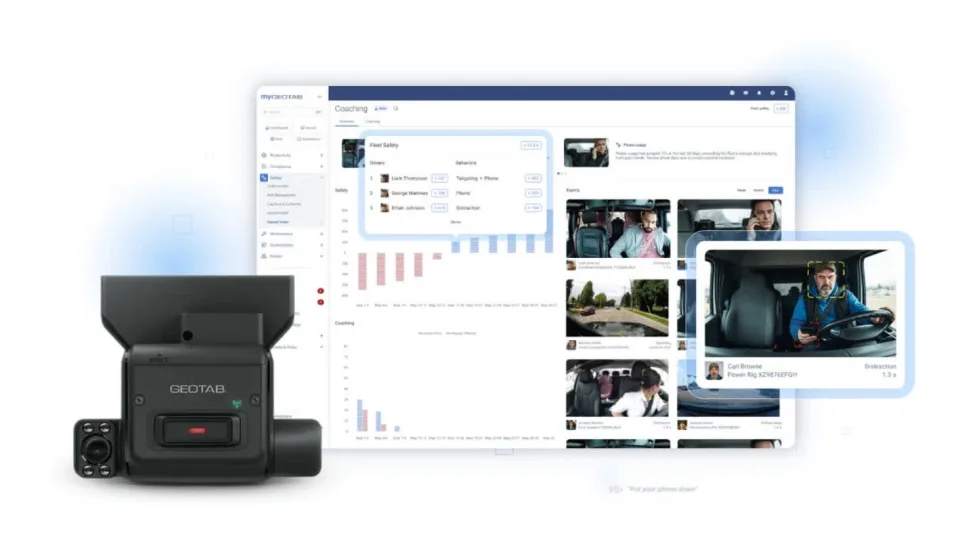
Geotab Expands Fleet Safety Tools With Video Coaching, Risk Insights
New safety and video capabilities aim to help fleet managers assess risk, support drivers, and take targeted action through video coaching, red-light violation detection, and more.
Read More →

How to Build a Better School Bus Driver Training Program
Is it time to strengthen your driver training? Here’s how to pick the right talent and improve recruitment, retention, and safety. This video is brought to you by IC Bus.
Read More →
Recent School Bus Accidents Leave 2 Dead, 2 Injured
Four school bus crashes in Florida, Illinois, and Georgia highlight risks in transportation lots, at bus stops, and during student loading and unloading.
Read More →
When Every Second Matters, Clarity Keeps Routes Moving
From routine delays to urgent incidents, strong communication practices help drivers, dispatchers, schools, and families respond with confidence.
Read More →
What Happens When a School Bus Catches Fire — and What Can Help
School bus fires are rare but can be devastating. Learn how advances in fire suppression and asset protection help fleets detect fires earlier, reduce damage, and improve safety.
Read More →
Geotab Launches Tool to Help Fleets Investigate Road Incidents
Geotab Investigations combines telematics data, video, documents, and other evidence to help fleets reconstruct incidents, resolve claims, and determine what happened.
Read More →
Texas Sixth Grader Wins 2026 National School Bus Safety Poster Contest
Sai Darshana Yekolu of Moseley Middle School in Prosper, Texas, was named the newest winner for her artwork, bringing the theme of “Safe Rides, Everyday Heroes” to life.
Read More →
Doing More With Less: How Transportation Directors Can Prioritize Safety Amid Budget Uncertainty
With diesel prices soaring and nearly one-third of transportation directors expecting budget cuts, maintaining student safety has never been more challenging. Download this guide to learn how leading districts are prioritizing risk, funding critical safety technology, and building stronger budget cases with data.
Read More →