




Cellcontrol technology designed to prevent distracted driving
The technology uses a unique Bluetooth trigger unit coupled with a mobile application on a cell phone to stop the temptation to call, e-mail, text or surf the Internet while a vehicle is in motion. After the software is downloaded on a computer and the trigger unit is installed in a vehicle, Cellcontrol will automatically enforce the operation’s policy for use of mobile devices while driving.

Cellcontrol, a distracted driving prevention technology, is designed to help fleet managers keep passengers safe while their drivers are on the road.
The technology uses a unique Bluetooth trigger unit coupled with a mobile application on a cell phone to stop the temptation to call, e-mail, text or surf the Internet while a vehicle is in motion.
To use the technology, managers can define and customize their operation’s mobile policy online, and then the system will send prompts to protected mobile devices to download the Cellcontrol software. The Cellcontrol trigger unit can be installed in a vehicle’s OBD port, and software downloads are verified online. Cellcontrol will automatically enforce the operation’s policy for use of mobile devices while driving.
Managers have access to key driver safety information, including their speed, mileage, time of use and hard braking or acceleration. Real-time alerts and customizable messaging are also available.
For more information on Cellcontrol technology, visit www.cellcontrol.com.
More Safety
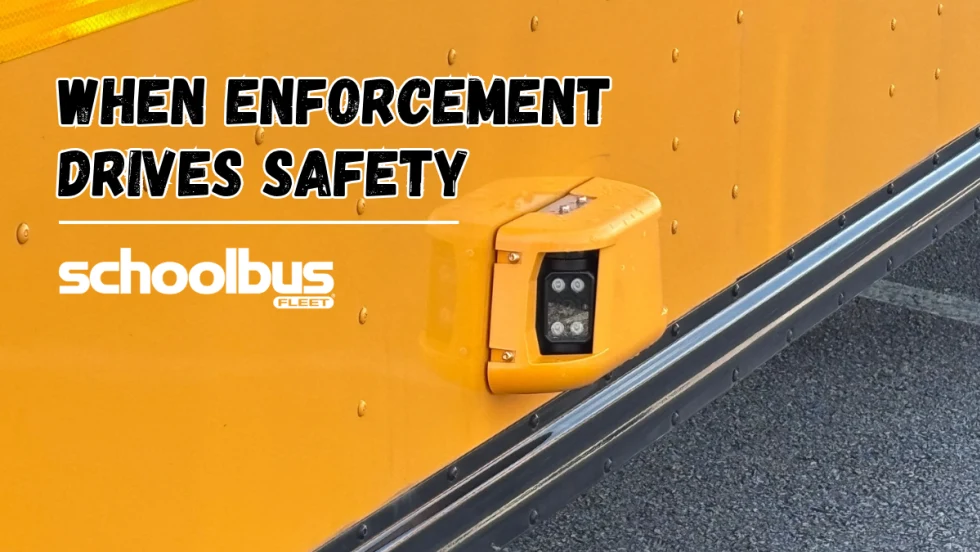
School Bus Stop-Arm Violations Decline 53% Across Verra Mobility Programs
Verra Mobility shares how school bus stop-arm cameras and school zone safety programs are changing driver behavior, reducing violations, and protecting students.
Read More →
Most Bus Crashes Aren’t Your Fault. Here’s How to Prove It.
A guide for what to do in between a school bus crash and a claim: what to preserve, who to notify, and how to keep the facts available when they matter.
Read More →
National School Bus Safety Week 2026: Tips, Toolkits & Resources to Keep Students Safe
School bus safety takes more than awareness. Explore expert tips, enforcement strategies, and free resources to help protect students on every ride.
Read More →
2 Killed, Dozens Injured in Florida School Bus Crash
A multi-vehicle collision caused a Polk County school bus carrying 37 students to overturn on its way to Winter Haven High School.
Read More →
Illegal School Bus Passing Drops 24% in New York Districts
With fewer than 5% of citations involving repeat offenders, Westchester County officials said enforcement, education, and community partnerships are helping change driver behavior.
Read More →
School's Back. Here's What Happened to Traffic, Speeding & Distraction
What happens to traffic when school resumes? New data analysis examines changes in distracted driving, congestion, and speeding around schools.
Read More →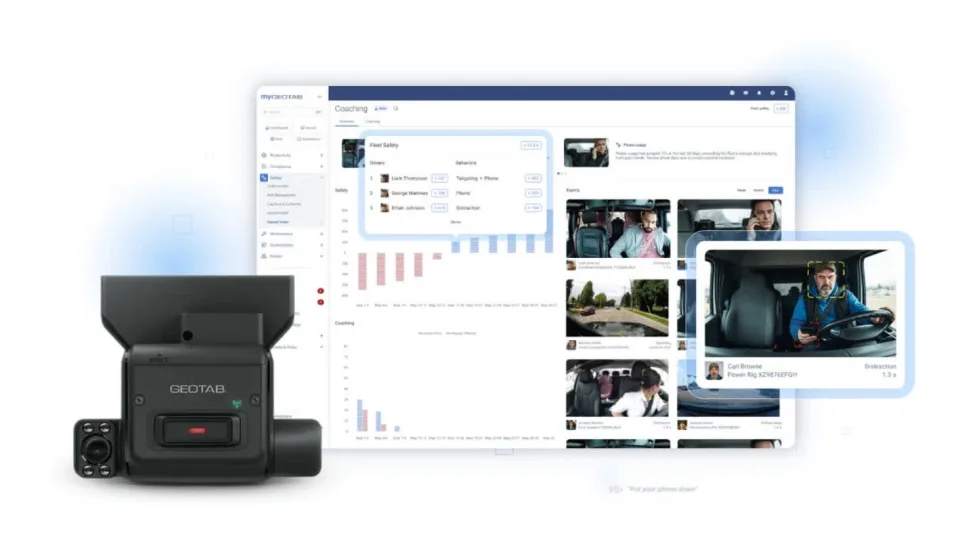
Geotab Expands Fleet Safety Tools With Video Coaching, Risk Insights
New safety and video capabilities aim to help fleet managers assess risk, support drivers, and take targeted action through video coaching, red-light violation detection, and more.
Read More →
How to Build a Better School Bus Driver Training Program
Is it time to strengthen your driver training? Here’s how to pick the right talent and improve recruitment, retention, and safety. This video is brought to you by IC Bus.
Read More →
Recent School Bus Accidents Leave 2 Dead, 2 Injured
Four school bus crashes in Florida, Illinois, and Georgia highlight risks in transportation lots, at bus stops, and during student loading and unloading.
Read More →
When Every Second Matters, Clarity Keeps Routes Moving
From routine delays to urgent incidents, strong communication practices help drivers, dispatchers, schools, and families respond with confidence.
Read More →