



Calif. groups fight proposed $248M cut to school transportation
The California Association of School Transportation Officials partners with education groups in contacting legislators to urge them to repeal the cut and inform them of the negative impact it would have. Mike Rea, government relations chairperson for the association, discusses these efforts with SBF.

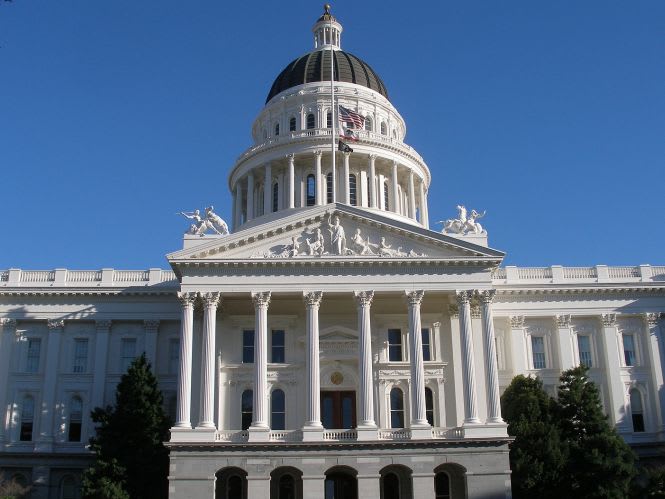
The California Association of School Transportation Officials has worked with education agencies in the state to urge legislators to repeal a proposed $248 million "trigger cut" to school transportation.
SACRAMENTO, Calif. — The California Association of School Transportation Officials (CASTO) has partnered with education groups in the state to voice its opposition to a proposed “trigger cut” of up to $248 million for home-to-school transportation, which amounts to approximately 50 percent of the current funding.
Mike Rea, government relations chairperson for CASTO, told SBF in an interview this week that the association has been fighting the proposed cut since August. He said that the concept of the trigger cuts came “out of the blue” after the state’s budget was adopted in June.
“The budget was adopted, and trailer bills were passed and this information [the proposed funding cut to transportation] came in one of the trailer bills,” Rea explained.
The California Department of Education, the California School Employees Association, the California Federation of Teachers and the California Teachers Association are among the agencies that have supported CASTO in reaching out to state legislators urging them to repeal the cut and to discuss the negative effects that the cut would have.
In a joint letter sent to all members of the state Legislature on Dec. 6, the groups said that if pulled, the impact of the cut would be felt immediately in several ways, including putting schoolchildren in harm’s way.
“These cuts will force young children to walk miles to school, often in horrible weather," the letter states. "In many rural areas, public transportation is not an option and the roads are very treacherous for them to walk alone on. Elsewhere, children will have to walk through dangerous neighborhoods and on busy streets to get to school. Children walking alone on the streets of California are also exposed to the risk of being approached by child predators."
The letter also says that the cut could force parents to drop off their children at school before it opens, leaving them on campus, while other children may not be able to attend school at all, thereby ultimately reducing school funding due to a drop in overall school attendance.
“This creates a downward funding spiral for many of California’s neediest school districts,” the groups said.
“The thing about this kind of a transportation cut is that it disproportionately affects districts," Rea explained. "There are rural districts that need transportation much more than some other districts in the state. This [the proposed cut] results in, for some districts, virtually no reduction in their state support, and for others, it amounts to a $300 per student cut.”
Another topic addressed in the letter is the effect the cut would have on the state’s economy. The mass layoff of school bus drivers due to the cut would put a stress on the economy and add to the already high unemployment rate.
Rea also noted that the state has underfunded school transportation for nearly 30 years, so the $248 million cut would be an additional blow.
“We’ve already had a 20-percent reduction of our funding, and with this extra 50 percent, it would be a 70-percent reduction. We would be the largest reduced program in California — it’s absurd,” he added.
Legislators have not responded to the association’s opposition to the proposed trigger cut. Rea said that shortly after the proposal was announced, all of the school districts in California received communication from Gov. Jerry Brown’s office that essentially indicated that the cut was not going to happen.
However, in mid-November, the Legislative Analyst’s Office reported that the state’s revenues were not going to be as high as had been projected, and that the trigger cut would have to be implemented.
“On Dec. 15, we’re supposed to hear from the state Department of Finance, which will apparently have the final word on whether the trigger cut is going to be pulled,” Rea said, adding that if there is a hearing in Sacramento, he will be in attendance.
Because the trigger cut to transportation was legislatively adopted, the only way it can be changed is for amending legislation to be approved, and Rea said CASTO and the other groups that oppose the cut are hopeful that there will be some kind of a change.
An option that CASTO has proposed if the cut must happen is for it to be reworked.
“Our suggestion has been that the cut is reformulated as an across-the-board revenue cut limit for school districts in California, which would amount to approximately $42 per student across the board,” Rea said. “Any cuts to education aren’t popular at this point, but if it has to be done, it should at least be done fairly across the board as opposed to specifically to school transportation.”
More Safety
North Carolina Student Killed While Boarding School Bus, Two Die in Utah Bus Crash
A Southern Nash High School student died after being struck by a pickup truck while approaching her school bus. In a separate incident, two people were killed after crashing into a school bus in Utah.
Read More →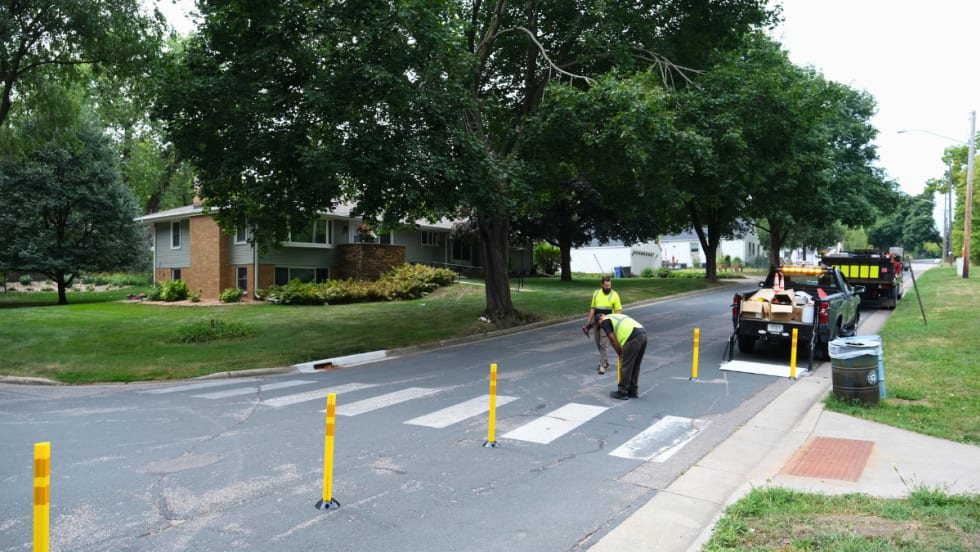
Minneapolis School Zone Pilot Cuts Speeding 41% with Low-Cost Street Design Changes
In a pilot project in Minnesota, two school-area intersections had low-cost, temporary road and traffic flow improvements made to measure the impact on roadway and student safety. Here's what they found.
Read More →
Sitestream, Safety Vision Partner with Connecticut City to Launch School Bus Stop-Arm Camera Program
The new enforcement initiative combines camera technology and violation management software to document illegal school bus passing, encourage driver compliance, and enhance student safety.
Read More →
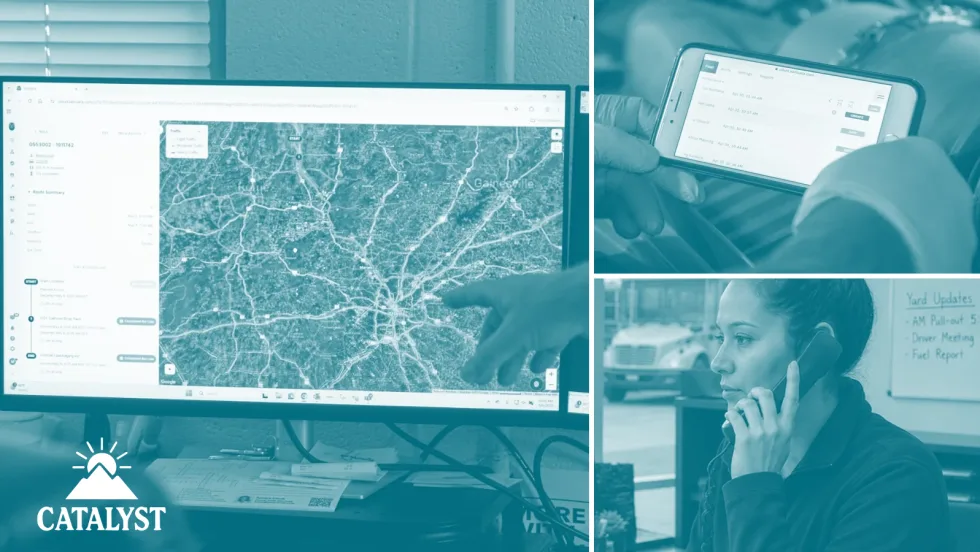
From Reactive to Proactive: Making Every Ride Visible
Smart technology only delivers its full value when it works together. See how Catalyst connects proven industry platforms to move student transportation from reactive to proactive.
Read More →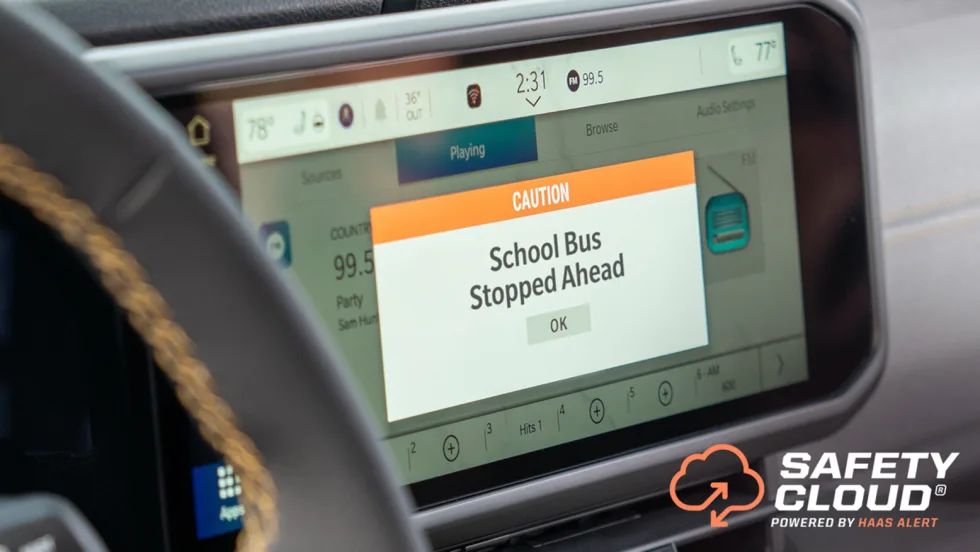
HAAS Alert’s Safety Cloud Warns Motorists of Stopped School Buses
Through a transponder or Samsara connection, the product lets school bus fleets send advance warnings to approaching drivers through in-vehicle alerts.
Read More →
HopSkipDrive Reports Progress on Safety Advisory Council
More than a year after forming the council, independent safety experts have helped shape new rider-safety features and policy progress, with a new goal to address rider behavior.
Read More →
What the 2026 National School Bus Safety Month Resolution Means for Student Transportation
The bipartisan resolution highlights illegal school bus passing, student safety during loading and unloading, and the need for driver training and public education.
Read More →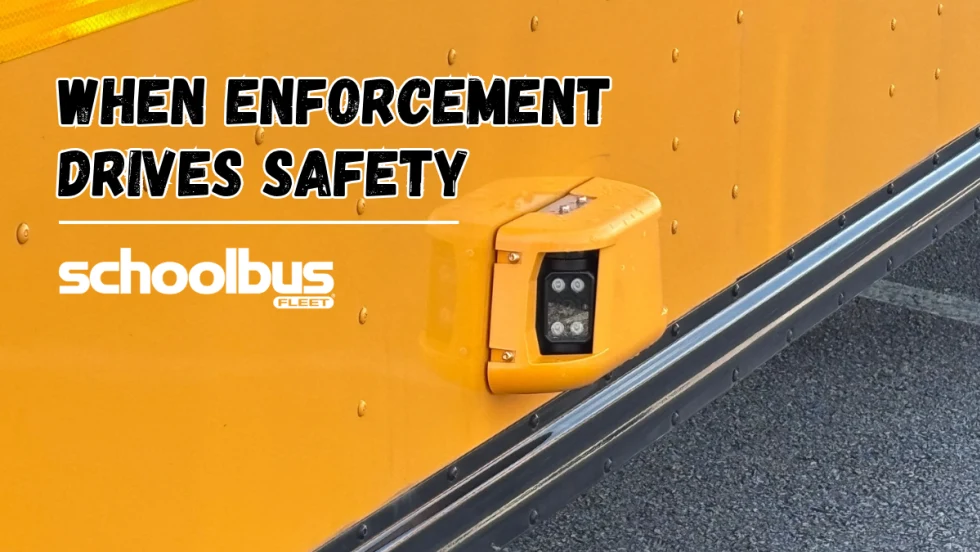
School Bus Stop-Arm Violations Decline 53% Across Verra Mobility Programs
Verra Mobility shares how school bus stop-arm cameras and school zone safety programs are changing driver behavior, reducing violations, and protecting students.
Read More →
Most Bus Crashes Aren’t Your Fault. Here’s How to Prove It.
A guide for what to do in between a school bus crash and a claim: what to preserve, who to notify, and how to keep the facts available when they matter.
Read More →
National School Bus Safety Week 2026: Tips, Toolkits & Resources to Keep Students Safe
School bus safety takes more than awareness. Explore expert tips, enforcement strategies, and free resources to help protect students on every ride.
Read More →