




Budget cuts force district to modify bus service
Beginning with the 2010-11 school year, a Missouri school district will only transport intermediate, middle and high school students if they live more than 1.5 miles from their schools, a half-mile increase from the district’s previous policy. The move is designed to offset an approximately $400,000 reduction in transportation funding.

ST. CHARLES, Mo. — The City of St. Charles School District will be making changes to the school bus service it provides for students during the 2010-11 school year.
In the past, the district has provided bus service to all students who live at least one mile from their respective schools. This will remain unchanged for elementary school students. For intermediate, middle and high school students, however, service will only be provided if they live more than 1.5 miles from their respective schools.
School districts across the state recently learned of significant reductions in state funding for bus transportation. Funding was cut by approximately 50 percent, resulting in a loss of approximately $400,000 for the City of St. Charles School District.
“We had already made significant reductions to the 2010-11 budget, and we were expecting to make additional reductions in the future," Superintendent Randal Charles said. "We were, however, a little surprised at the amount of the recent reduction in transportation funding.”
The changes to bus service made by the district are estimated to reduce transportation costs by about $325,000. Charles noted that additional changes may be necessary for the 2011-12 school year if state funding is not restored.
The district plans to notify parents of the change in bus service through letters, automated phone messages and an announcement on its Website.
More Management
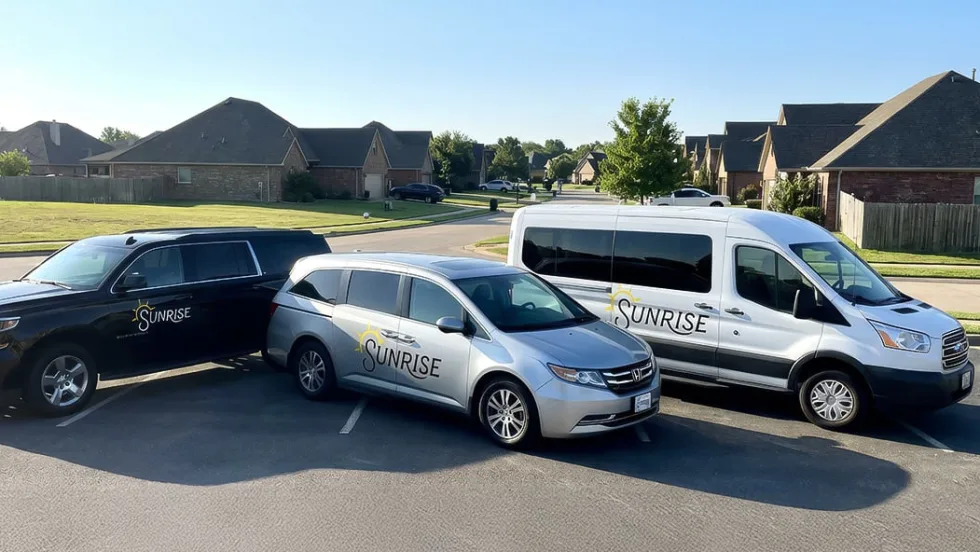
STA Acquires Sunrise Transportation
Student Transportation of America expands in Illinois and Connecticut through Sunrise's fleet of nearly 1,000 vehicles.
Read More →
EPA Opens $180M DERA Funding Round for Diesel Upgrades
The 2026 Diesel Emissions Reduction Act program seeks applications from eligible organizations to accelerate the retirement of legacy diesel vehicles.
Read More →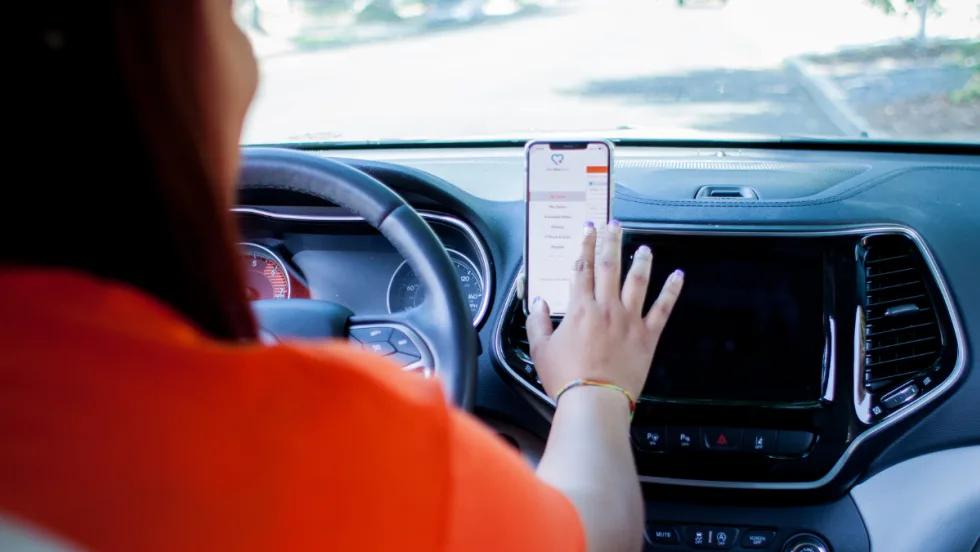
HopSkipDrive’s CareEngine Targets the ‘Exceptions’ in Student Transportation
The new platform works alongside districts’ existing transportation management systems to coordinate specialized rides, automate last-minute changes, and turn ride data into operational improvements.
Read More →


The Right Ride for Every Student: Navigating the New Student Transportation Ecosystem
How should districts blend school buses with small-vehicle transportation and other options? EverDriven CEO Mitch Bowling discusses safety, costs, partnerships, and strategy.
Read More →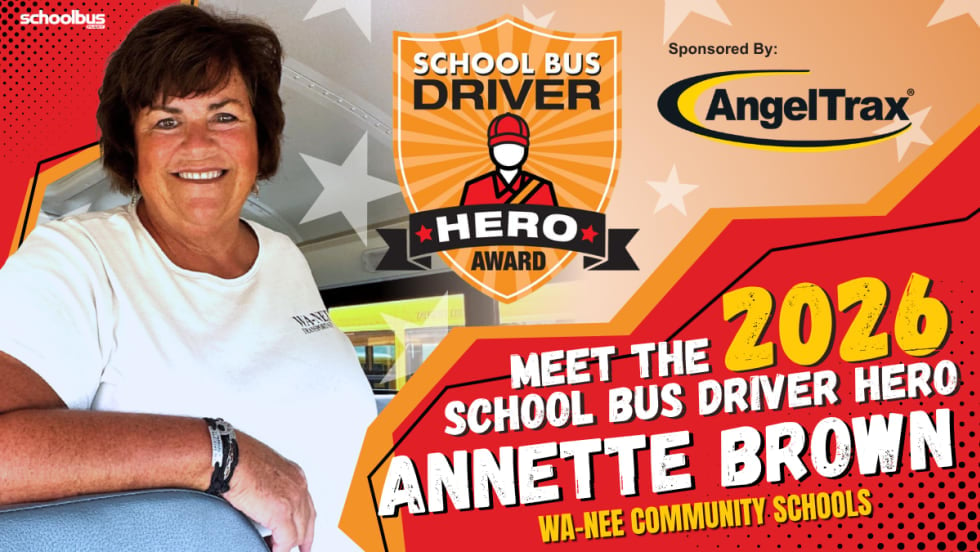
Annette Brown Always Takes the Extra Time: Meet Our 2026 School Bus Driver Hero
For more than 30 years, the Wa-Nee Community Schools driver has treated students like family, combining safety, compassion, and servant leadership to make a lasting difference on and beyond the school bus.
Read More →
How to Build a Better Driver Training Program
Ready to boost up your school bus instructor training? Here’s how to pick the right talent and improve recruitment, retention, and safety.
Read More →
CALSTART and Forth Combine to Form Catalyst Mobility
The new name represents a renewed vision for the nonprofit focused on advancing clean, equitable, and affordable transportation solutions that move people and goods.
Read More →
What Makes a Great School Bus Driver Trainer?
Choosing the right school bus driver trainer takes more than experience. Learn six keys to selecting and developing trainers and evaluating program effectiveness.
Read More →
School Bus Contractors Expand Through New Deals, Acquisitions & Partnerships
STA's Canadian division acquires Ontario-based G&L Stevenson Transport; Durham School Services adds a new district in California; First Student expands in New Jersey; and Minnesota Coaches rebrands and acquires Halo Transportation.
Read More →
Logan Bus Company Rolls Out AI Phone System for NYC School Bus Families
A summer pilot found that AI agents could handle most routine calls, freeing up time for customer service staff to focus on emergencies and complex family concerns.
Read More →