




Bolstering communications with digital two-way radios
In a recent SBF webinar sponsored by Motorola, speakers discussed benefits and best practices in using digital two-way radios for school transportation. Here’s a recap of the discussion, along with access to the archived webinar.
Dr. Jon Turner, assistant superintendent of Dallas County R-I School District in Buffalo, Mo., provided key insights on digital two-way radios during a recent SCHOOL BUS FLEET webinar.
A few years ago, Dallas County school bus drivers often had trouble communicating with dispatchers. The district’s previous analog radio system was full of static. Staff members also reported difficulty in staying in contact with base while covering the 550 square mile district.
Due to that handicap, drivers would verbally relay messages from one end of the county to the other. The airwaves were full of chatter between drivers and dispatchers who simply could not hear each other.
The geography provided additional challenges, because Dallas County touches the Ozark Mountains, challenging the analog system to cover the terrain evenly. The unavoidable dead spots in certain areas created concerns for child safety, but the problems stretched beyond safety.
The analog system also allowed the public to listen in to conversations using radio scanners, so district personnel censored their communications to avoid sparking gossip in the area.
All that changed when the district upgraded to a Motorola Solutions digital two-way system, according to Turner. He delivered his thoughts on the technical and operational benefits of digital school bus radios as part of the Motorola-sponsored webinar “Digital Two-Way Radios: Bolstering Communications, Security and Compliance.” Theresa Anderson of TM Anderson Consulting also provided insight during the event.
The webinar provided a wealth of information about the operational benefits of digital school bus radios, with the presenters also speaking about the specific experience of Dallas County, the best practices associated with them and the numerous experiences Anderson has had as a consultant and as a pupil transportation official.
Benefits of the shift to digital
The webinar was also a timely reminder of the impending end of the Sprint Nextel push-to-talk system. School districts and bus administrators who still rely on that network face a transition in the near future, and the Dallas County experience provides a positive example of an upgrade path.
The shift to digital radios brought immediate benefits in Dallas County, as the static-filled coverage completely disappeared. The improvements were evident in the call clarity. The tag-team relay system that once clogged the airwaves was no longer necessary, and coverage in the hilly terrain also improved dramatically. The public could no longer eavesdrop on the digital channels, and the overall quality of communication has vastly improved with the updated system.
“Feedback from drivers was immediate and positive,” Turner said.
Operationally, numerous other benefits emerged. The digital bandwidth created new channels used by drivers organizing for field trips. Radios were made available in classrooms and administrative buildings so that teachers and administrators could directly coordinate with drivers. This improved efficiency for special events and ensured that students could check in with a teacher after school without missing the bus.
These cascading benefits are typical of radio system upgrades, according to Anderson. Her consultancy works with districts on best practices and other issues surrounding bus fleets.
Anderson recommends that clients start researching products before purchasing, and she then counsels people to find a knowledgeable vendor who can help think through the specific needs of a district. Even seemingly simple things such as making sure the district owns the proper FCC licenses can ease administrative burdens that might complicate the upgrade process.
Anderson also recommends different sources of grant funding so that budgets are not an obstacle to student safety. Dallas County was able to fund its upgrade through a timely drop in the cost of diesel fuel that freed up substantial discretionary dollars.
Avoiding potential pitfalls
Anderson issued caution regarding relying on the obvious alternative to radios: cell phones. In emergency or disaster situations, cell phone towers can easily be overloaded. They can also be commandeered by police or even disabled in a crisis, leaving school bus drivers without constant reliable communication. Such disruptions can hinder the role of a fleet of school buses in evacuating citizens in an emergency.
“In particular crises, the cell phone towers will be jammed,” Anderson said.
The operational issues with cell phones go beyond structural problems. Federal law also bans commercial drivers from using cell phones while driving. That fact alone raises compliance and policy issues associated with multi-use devices such as cell phones. The digital radio brings all the benefits of digital technology without complications of other choices.
Anderson also offered insight into issues such as policies and training for drivers and dispatchers. She spent time talking about emergency situations and policies associated with them, such as code words, cross training among personnel and tying into other emergency services such as local police and fire departments.
Anderson and Turner agreed that thinking through some of these issues helps school bus administrators realize the greatest efficiency and return on investment from the digital radio system.
To watch the archived webinar on demand, go here.
In his current role, Rob Russell, customer solutions manager, education industry, supports all channel account managers across North America in the education vertical market for Motorola Solutions. He is responsible for growing sales in more than 14,000 school districts across the U.S. through the company's channel partners. Most notably, Russell received the 2011 North America Radio Channel Excellence Award.
More Management

How to Build a Better Driver Training Program
Ready to boost up your school bus instructor training? Here’s how to pick the right talent and improve recruitment, retention, and safety.
Read More →
CALSTART and Forth Combine to Form Catalyst Mobility
The new name represents a renewed vision for the nonprofit focused on advancing clean, equitable, and affordable transportation solutions that move people and goods.
Read More →
What Makes a Great School Bus Driver Trainer?
Choosing the right school bus driver trainer takes more than experience. Learn six keys to selecting and developing trainers and evaluating program effectiveness.
Read More →


School Bus Contractors Expand Through New Deals, Acquisitions & Partnerships
STA's Canadian division acquires Ontario-based G&L Stevenson Transport while Durham School Services adds a new district contract in California, First Student adds a New Jersey contract, and Minnesota Coaches acquires Halo Transportation.
Read More →
Logan Bus Company Rolls Out AI Phone System for NYC School Bus Families
A summer pilot found that AI agents could handle most routine calls, freeing up time for customer service staff to focus on emergencies and complex family concerns.
Read More →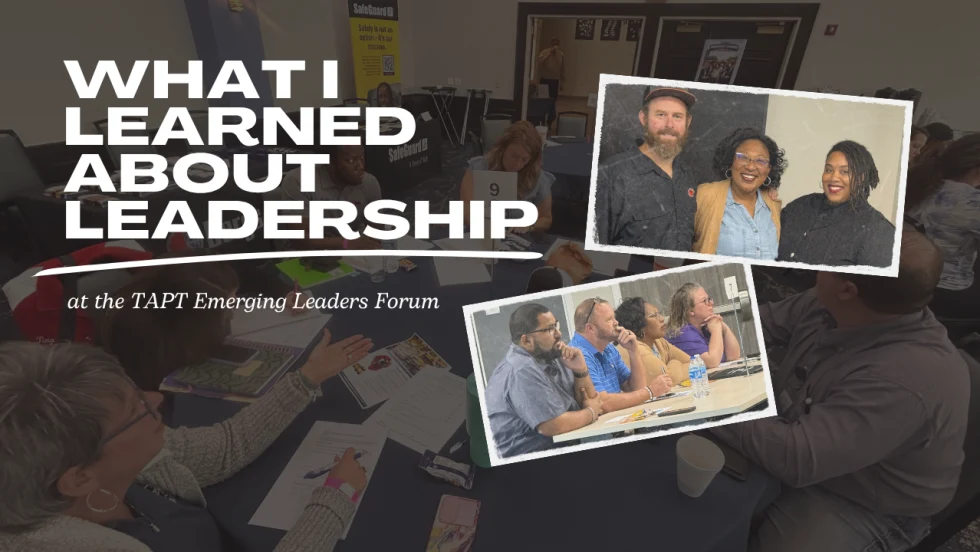
From Intent to Impact: What I Learned About Leadership from TAPT
A Texas transportation supervisor shares lessons on self-awareness, accountability, managing stress and building trust — and why investing in leadership development matters at every stage of your career.
Read More →
NAPT Names 2026 Award Recipients, Hall of Fame Inductee
Who earned national recognition for their work in student transportation? This year, NAPT named five recipients of its 2026 awards for service, safety, and leadership, plus its newest Hall of Famer.
Read More →
2026 State of Student Transportation Report
Driver shortages. Rising costs. Growing safety expectations. More data, but not enough time to act on it. The 2026 State of Student Transportation Report reveals what transportation leaders say is putting the most pressure on their operations—and where they’re investing next. See how your priorities compare.
Read More →
How to De-Escalate an Angry Person: 5 Steps for Handling Workplace Conflict
What makes emotions run high, and how should you handle an angry colleague or parent? Follow these steps for staying calm, listening, showing empathy, and resolving conflict.
Read More →
What Readiness Looks Like This School Year
Learn about the challenges shaping the 2026–2027 school year, from persistent driver shortages and budget pressure to technology and readiness gaps. See how school districts are responding and adapting in Zonar’s 2026 Back-to-School Readiness Report.
Read More →