



From the archives: Fuel Crisis Survival
Even today's fuel prices, when adjusted for inflation, aren't as high as they were in 2008.
 MENU
MENU SEARCH
"Short-term gain, long-term pain," is what one analyst called the White House release of oil from the nation's Strategic Petroleum Reserves in an effort to bring down fuel prices.
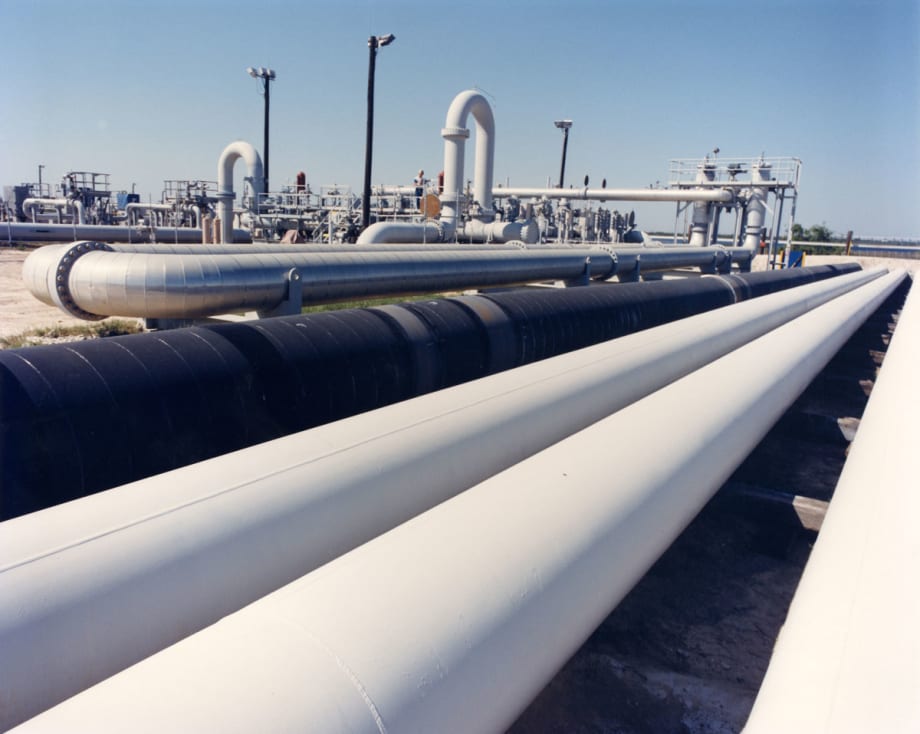
President Biden announced the largest-ever release of oil from the U.S. Strategic Petroleum Reserve.
Photo: Department of Energy
To combat fuel prices that have risen at the fastest rate ever recorded by the Energy Department, President Biden on March 31 announced an unprecedented release of crude oil from the nation’s Strategic Petroleum Reserve.
The administration will put 1 million additional barrels on the market per day on average — every day — for the next six months. The Department of Energy will use the revenue from the release to restock the Strategic Petroleum Reserve in future years. Other countries are expected to join in this action, bringing the total release of petroleum reserves to over an average 1 million barrels per day, according to the White House.
The second largest release from the SPR on record was the 50 million barrel release last November. The Strategic Petroleum Reserve is a U.S. government complex of four sites with deep underground storage caverns created in salt domes along the Texas and Louisiana Gulf Coasts.
Oil prices dropped sharply Wednesday night, even before the official announcement on Thursday.
The national average price of a gallon of diesel hit a record high of $5.25 on March 14, according to the Energy Department. When adjusted for inflation, prices are still lower than the all-time highs of 2008. However, the agency has never seen retail fuel prices increase so quickly on a percentage basis over a three-week period.
Some analysts and observers were concerned about potential negative impacts of the SPR oil release.
On Twitter, Patrick De Haan called the SPR release “short term gain, long term pain.” De Haan is the head of petroleum analysis at GasBuddy, which tracks gasoline prices. The move will put the reserve at its lowest level since 1984. That could limt the ability of the government to respond to emergencies such as a hurricane disrupting oil production in the Gulf of Mexico.
“We’re going to be drawing down inventories just as we’re going to be needing them in a time of uncertain supply conditions,” De Haan said.
For all those "expert" charts trying to explain the rise in #gasprices since 2020, I made the actual chart explaining gas prices for you. pic.twitter.com/LhydcLeY6T
— Patrick De Haan ⛽️📊 (@GasBuddyGuy) March 10, 2022
In a research note Thursday, Goldman Sachs commodity analysts said the release from U.S. reserves would help the oil market toward rebalancing in 2022, but would not resolve its structural deficit, according to a CNBC report.
CNBC reported that Goldman Sachs predicted that lower prices in 2022 would support oil demand while slowing the acceleration in U.S. shale production, leaving a deficit in 2023 and a likely need to refill the U.S. reserves.
While high fuel prices have led some to criticize the Biden administration for enacting policies that discourage production, those claims are largely untrue. In fact, the Energy Department predicted in February that U.S. crude oil production will rise in 2022 and 2023 to record-high levels.
“The fact is that there is nothing standing in the way of domestic oil production,” said a White House statement. “There are oil companies that are doing the right thing and committing to ramp up production now. Right now, domestic production is expected to increase by 1 million barrels per day this year and nearly 700,000 barrels per day next year.”
However, the White House charged that “too many companies aren’t doing their part and are choosing to make extraordinary profits and without making additional investment to help with supply. One CEO even acknowledged that, even if the price goes to $200 a barrel, they’re not going to step up production.”
The oil and gas industry currently have 9,000 approved but unused permits for production on more than 12 million acres of non-producing federal land, according to the statement.
Right now, the oil and gas industry is sitting on more than 12 million acres of non-producing Federal land with 9,000 unused but already-approved permits for production. The president called on Congress to make companies pay fees on wells from their leases that they haven’t used in years, “and on acres of public lands that they are hoarding without producing.”
Several industry analysts told Yahoo Finance that even with oil prices above $100, drillers are reluctant to pump more. It’s expensive to expand capacity, and they fear they’ll lose money if (or more likely when) the additional oil supply pushes prices back below $60 or $70 per barrel.
The White House emphasized that all of this is a short-term solution, saying in the long term, it’s important to transition to clean energy.
Department of Energy Jennifer Granholm said in a statement, “Putin’s actions in Ukraine and the resulting disruptions to global energy markets have demonstrated the urgent need to accelerate our clean energy transition, which will make our country more energy independent and much less vulnerable to the whims of dictators.”
Originally posted on Heavy Duty Trucking

See what school bus fleets should consider when replacing DEF headers to improve reliability, reduce repeat repairs, and control maintenance costs.
Read More →
Your district's buses carry students to school every day. This guide shows how predictive maintenance powered by fleet data helps keep buses reliable, drivers accountable and students safer from the first bell to the last stop.
Read More →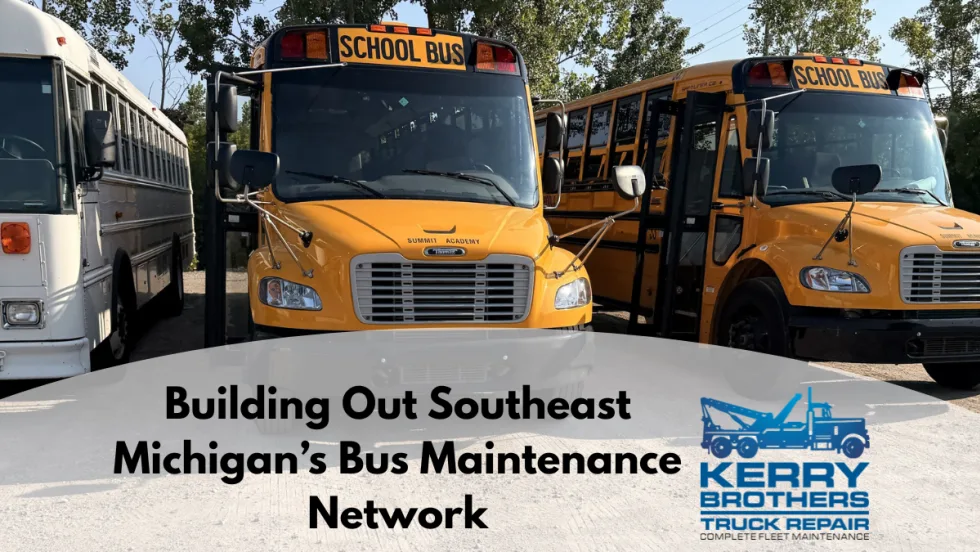
The acquisition of Downriver Truck and Bus expands Kerry Brothers’ school bus maintenance footprint across southeast Michigan, adding repair capacity, diagnostic resources, and state inspection support.
Read More →
CAN Mentor and the latest JPRO update aim to simplify vehicle network diagnostics and improve repair efficiency for technicians of all experience levels.
Read More →
Cummins discusses its first-ever gasoline engine for school buses, EPA 2027, and why bus fleets still want durable, simpler internal combustion options.
Read More →
New data shows advanced low-emission diesel technology continues expanding across school bus fleets, even as electric bus adoption gains momentum.
Read More →
Vampire Tools introduced the VAMPLIERS Caiman 7.5-inch multi-purpose pliers, combining screw extraction, cutting, crimping, and gripping functions into a single tool designed for fleet maintenance professionals.
Read More →
Chat with Noregon’s Kevin Smallhorn at ACT Expo about bus diagnostic tools, telematics integration, CNG maintenance support, and strategies to help reduce downtime and improve uptime.
Read More →
Don’t let bus downtime wear you down. Here’s how bus operators are shifting from manual processes to AI-powered, data-driven maintenance systems for improved reliability and safety.
Read More →
Matthews Bus Company’s West Jefferson received a letter of commendation from the Pennsylvania State Police for their fleet inspections.
Read More →