




Angie Ortiz: School Bus Competitions Contribute to Student Safety
Training for safety competitions was a demanding endeavor for driver-turned-teacher Angie Ortiz, but the hard work paid off by helping her keep her passengers safe.

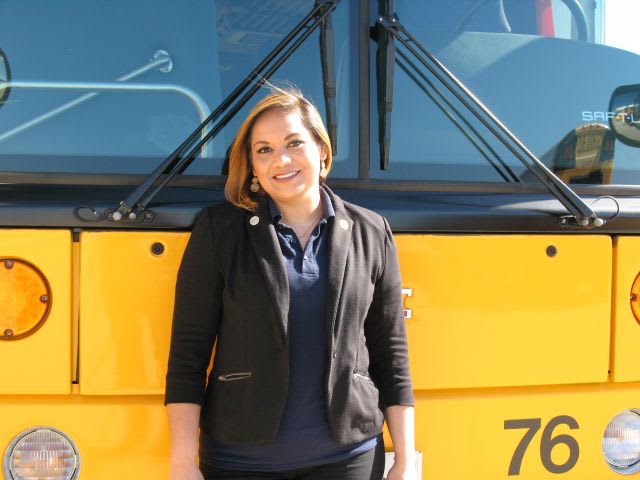
Angie Ortiz of Allen (Texas) Independent School District placed third in two consecutive years at the School Bus Driver International Safety Competition.

Angie Ortiz of Allen (Texas) Independent School District placed third in two consecutive years at the School Bus Driver International Safety Competition.
With the arrival of “roadeo” season, we’re shining the spotlight on a handful of drivers who have advanced to the School Bus Driver International Safety Competition in past years. This is the second in an occasional series.
ALLEN, Texas — For Angie Ortiz, training for school bus safety competitions was a demanding endeavor, but the hard work paid off by helping her keep her passengers safe.
“The purpose is to sharpen your driving skills and make yourself a better driver,” Ortiz said. “It saved me from a lot of potential accidents on the road while I had my students on that bus.”
In her eight-and-a-half years as a school bus driver for Allen Independent School District (ISD), Ortiz dedicated many hours to preparing for and participating in safety competitions at multiple levels: local, regional, state, and international.
Her preparation process included studying the Texas CDL handbook and a first aid certification manual from the Red Cross. To train for the 10 or so driving maneuvers involved in the competitions, Ortiz put in lots of practice on the road and on a skills course.
“It was hours and hours of practice, pretty much every day,” Ortiz said.
That regimen typically began in February, to get ready for the local competition, and could extend through July if she qualified for the international competition. Even after the season ended and a new school year began, she didn’t step out of the safety skills mindset.
“You don’t want to put that aside or forget about it,” Ortiz said. “On the road, I would always make an effort to picture myself going through these maneuvers here and there throughout the year. … It’s exhausting — you don’t stop.”
The desire to be the safest driver she could be kept her motivated, as did the encouragement of her boss, Allen ISD Director of Transportation Carl Cater.
“Carl Cater was my biggest supporter throughout this entire journey,” she said. “When I was exhausted from it, he always had the right words for me to continue on and always do my best.”
Ortiz’s dedication led to success in the school bus safety competition circuit as she advanced from local to regional to state. In 2014, she qualified for the first time for the School Bus Driver International Safety Competition. There, after contending in the transit category, she initially questioned her performance.
“We are our [own] worst critics,” Ortiz said. “I was not completely sure I had done my absolute best.”
Then, at the awards ceremony, she was surprised when the results were announced: She had placed third in her category.
“When they called my name … it was amazing. It was great,” Ortiz said, noting that it was also the first time that an Allen ISD driver had placed in the top three in the School Bus Driver International Safety Competition.

While she worked as a school bus driver, Ortiz took college classes to become a Spanish teacher.
The next year, 2015, Ortiz again advanced to the international level, and again she clinched a third place finish in the transit category. It was a memorable moment in what would be her last year as a regular school bus driver.
During her years of driving a bus, Ortiz was taking college classes to become a Spanish teacher. She started working in that role for an Allen ISD high school in December 2015. She said she misses having a regular school bus route, but she keeps up her CDL and certification so she can drive the occasional field trip or support the transportation department as needed.
“You know what they say,” Ortiz added, “’Once a bus driver, always a bus driver.’”
Read the first part in this series: How School Bus Driving Champ Larry Hannon Prepares for Safety Competitions
More Safety
How To Build a More Secure School Bus Yard During and After Hours
As thefts and overnight security threats continue, school transportation leaders are combining stronger operational practices with AI-enabled surveillance to better protect buses, facilities, and staff.
Read More →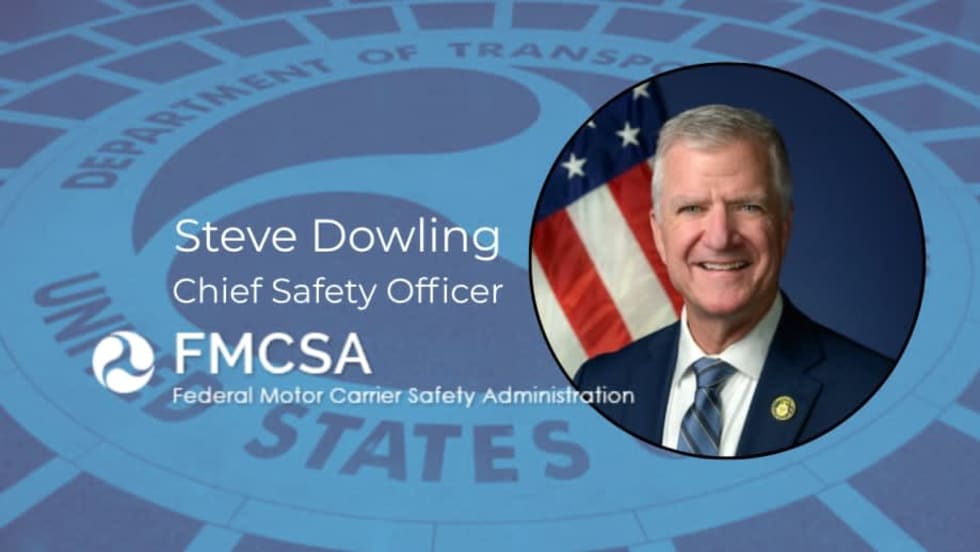
FMCSA Names New Chief Safety Officer: What School Bus Operators Should Know
Steve Dowling is set to lead the federal agency's efforts to advance commercial motor vehicle safety and reduce crashes, fatalities, and injuries on the nation's roadways.
Read More →
New Study Finds School Zone Speed Safety Cameras Cut Speeding Violations 97%
A Florida university's research demonstrates that Verra Mobility's automated enforcement changes driver behavior and significantly improves school zone safety.
Read More →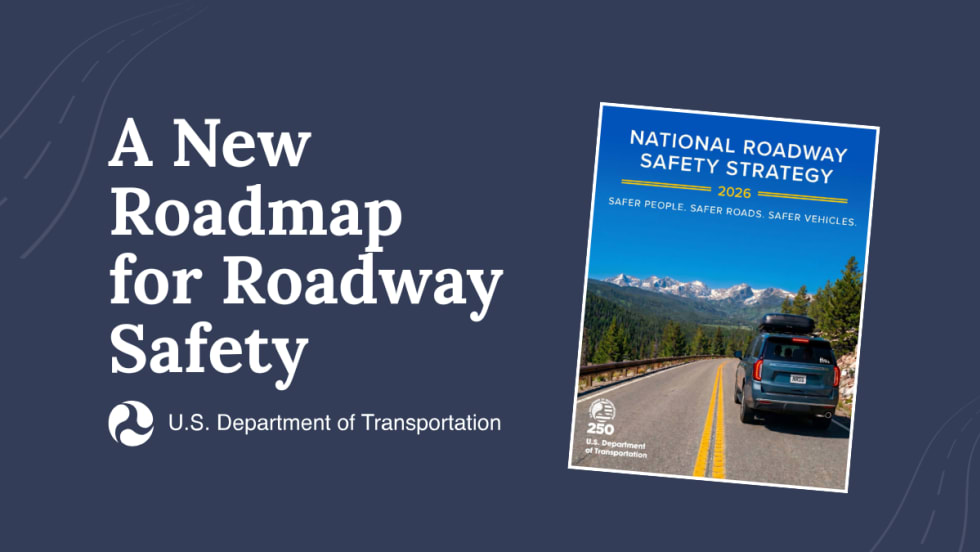
What Changed in DOT’s New National Roadway Safety Strategy?
The federal agency's new plan shifts its focus to safer people, roads and vehicles, with a new three-pronged approach instead of five. One outlined action even addresses a key industry concern around illegal school bus passing.
Read More →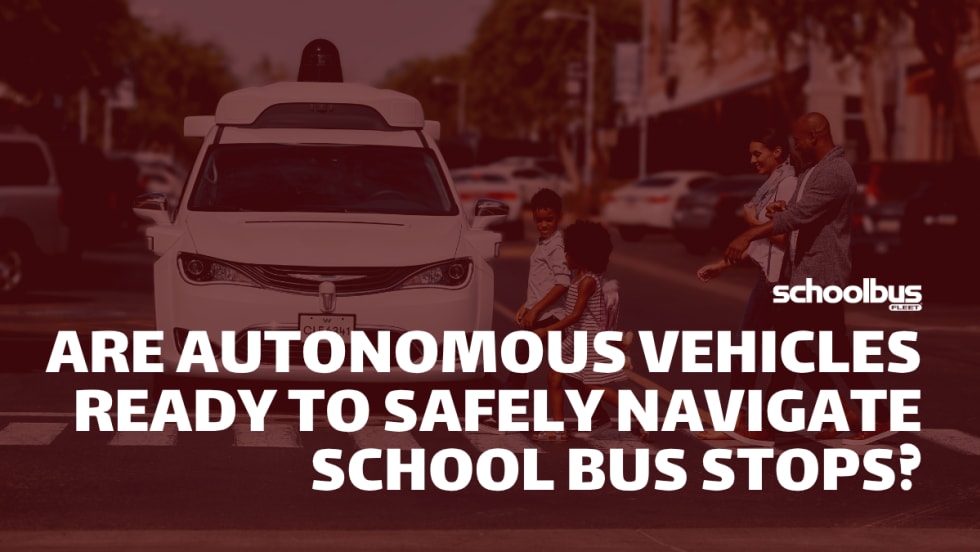
Are Autonomous Vehicles Ready to Safely Navigate School Bus Stops?
NHTSA is accelerating autonomous vehicle deployment through new safety standards and commercial approvals. See why school transportation leaders are watching.
Read More →
NFL Star Lomas Brown Kicks Off New Illegal School Bus Passing PSA
Just in time for the back-to-school season, the former Detroit Lions offensive tackle took time to record a video encouraging motorists to slow down around school buses.
Read More →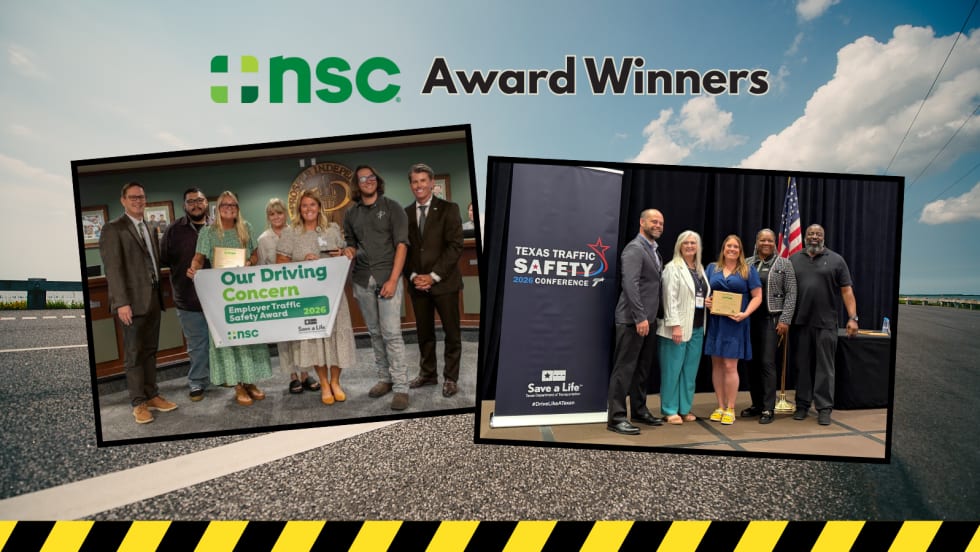
How Two Texas Districts Built Award-Winning Safety Programs
Learn how Prosper ISD and Rockwall ISD earned National Safety Council honors through hands-on training, safety culture, and strategies that reduced transportation incidents.
Read More →
NHTSA Releases 10-Year Review of Fatal School Bus Crashes
The latest federal analysis reinforces the safety of school buses while identifying where school-age pedestrians and other motorists remain most at risk.
Read More →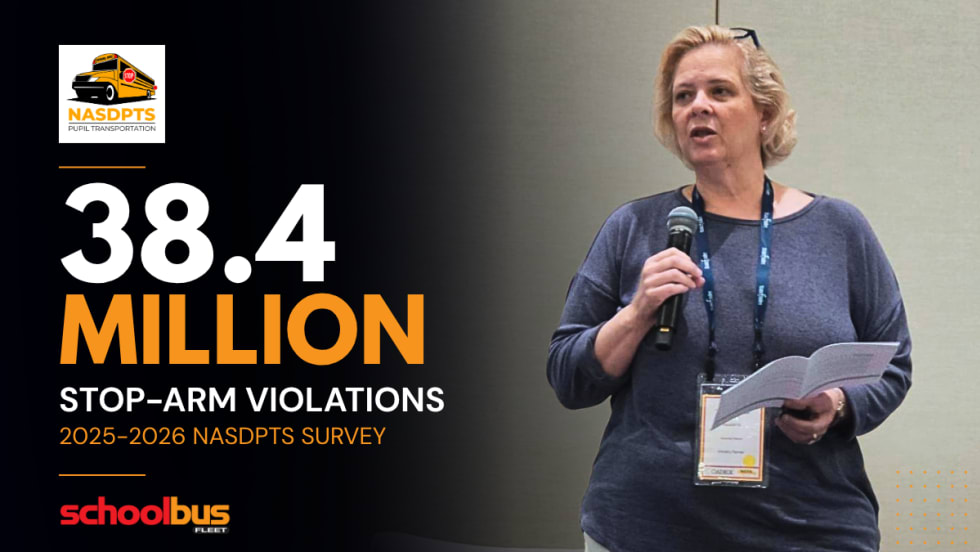
2026 NASDPTS Survey: Data Shows Further Reduction of Illegal Passing
New data is in! School bus stop-arm passings are down to 38.4 million violations per year, about a 2.3% decrease from last school year — but passings on the right side of the bus are higher than ever.
Read More →
Another School Bus Fatality Reported in Monsey, New York
A 7-year-old girl died after being struck by a school bus in Rockland County, New York while crossing the street. Here's what we know.
Read More →